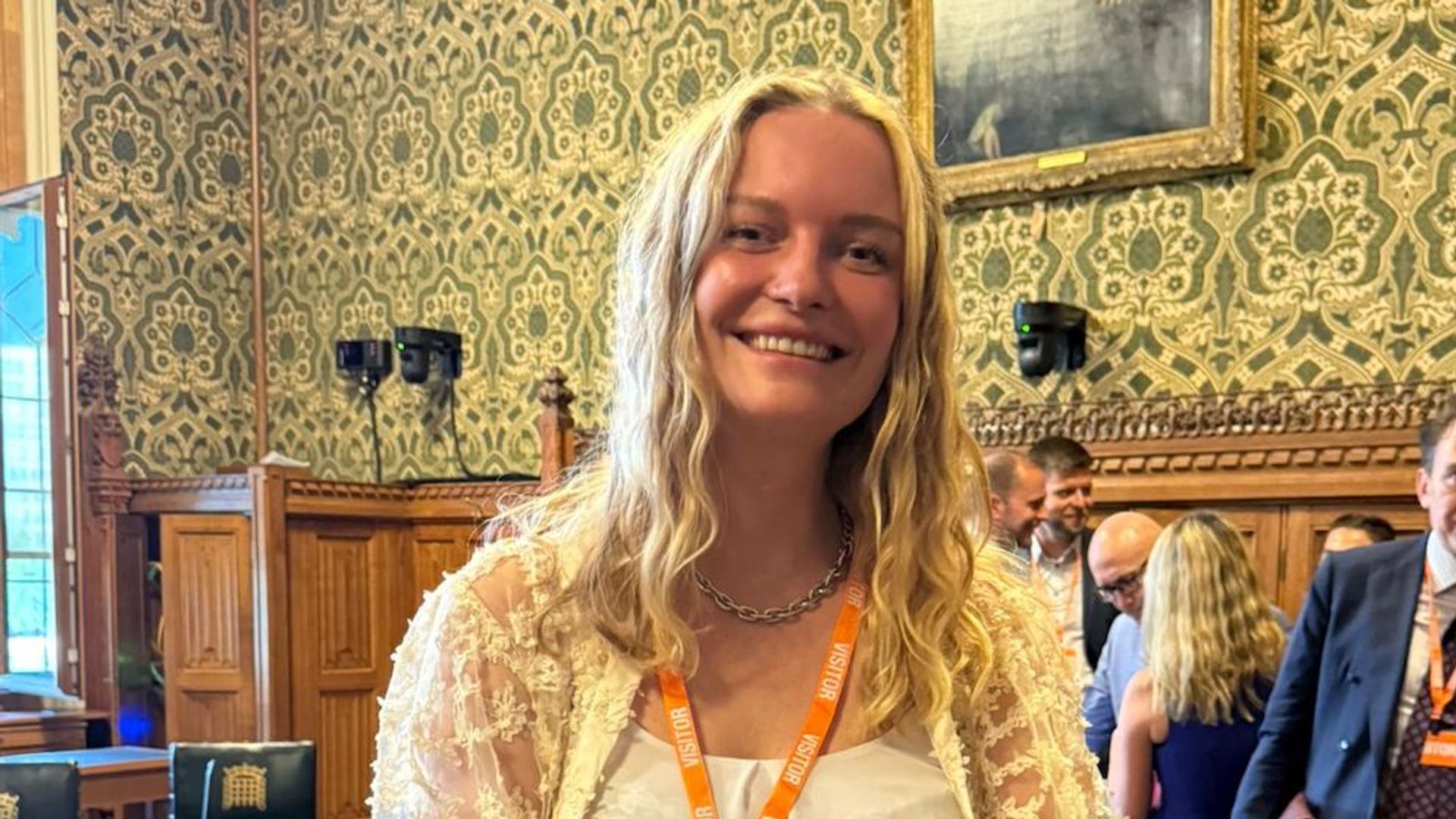
When a local government politician in West London suddenly finds themselves facing criminal charges from Moscow's federal security apparatus, you realize just how far-reaching modern geopolitical intimidation has become. Ksenia Maximova, a Liberal Democrat councillor in the London Borough of Ealing and a vocal critic of the Kremlin, didn't bat an eye when she learned that Russia's spy agency had opened a formal case against her. For dissidents and anti-war activists living in exile, joining the target lists of foreign intelligence services has basically become an expected occupational hazard.
Yet, treating this as just another headline misses the broader picture of how authoritarian regimes attempt to silence domestic opposition far beyond their own borders. Let’s break down what actually happened, why it matters, and how local politicians are navigating a world where municipal politics collides with international espionage.
The Mechanics of Cross-Border Intimidation
The charges brought against Maximova—who founded the anti-war Russian Democratic Society—accuse her of participating in what Moscow designates as an "undesirable" or terrorist organisation. It’s a playbook we’ve seen deployed repeatedly against critics living abroad. If you can't physically haul an activist back to face a courtroom, you weaponize legal bureaucracies, state-controlled media, and international watchlists to make their lives as difficult as possible.
Maximova noted publicly that being added to these state-sanctioned lists came as zero surprise. In fact, she joked that she was wondering why it took them so long. But behind the dark humor lies a genuine logistical headache. While she already knew returning to Russia was out of the question, the real threat involves international transit. Being flagged on databases like Interpol can turn a routine family holiday or an international conference flight into an interrogation or detention nightmare at border control.
Living with the Threat in British Suburbia
Most people associate local councillors with pothole complaints, planning permissions, and rubbish collection schedules. You don't usually expect your local representative to be briefing their children on what nerve agent exposure looks like—a grim reality that some Russian exiles in the UK have had to face in the wake of high-profile incidents like the Salisbury poisonings.
This creates a surreal juxtaposition. One day you're sitting in a damp town hall discussing local council tax rates, and the next you're dealing with foreign intelligence agencies trying to delegitimize your activism. It shows that municipal engagement in diverse global cities like London is deeply tied to international diasporas. People fleeing oppressive regimes often throw themselves into local civic life to build stable communities, only to find that their past catches up with them through digital threats and legal harassment from afar.
Why Moscow's Legal Posturing Fails to Silence Dissent
The ultimate irony of these state-backed criminal cases is that they entirely lose their intended deterrent effect outside domestic jurisdictions. When a foreign spy agency slaps a terrorism label on a British local councillor, it doesn't cause them to cower or quit their advocacy. Instead, it usually steels their resolve and exposes the desperation of authoritarian states attempting to project power into democratic spaces.
If anything, it highlights a stark vulnerability. Autocrats want absolute conformity, and seeing ordinary citizens integrate into Western democratic systems—winning local elections, organizing anti-war movements, and speaking freely—drives them nuts. Filing trumped-up criminal charges is the only tool left in the box for regimes that feel threatened by independent thought.
Protecting open societies means taking these transnational threats seriously without letting foreign actors dictate the boundaries of domestic political discourse. When local leaders are targeted for standing up against authoritarian aggression, the response shouldn't be panic; it should be stronger protections for political exiles, rigorous counterintelligence work at home, and a refusal to let foreign legal games interfere with local democracy.