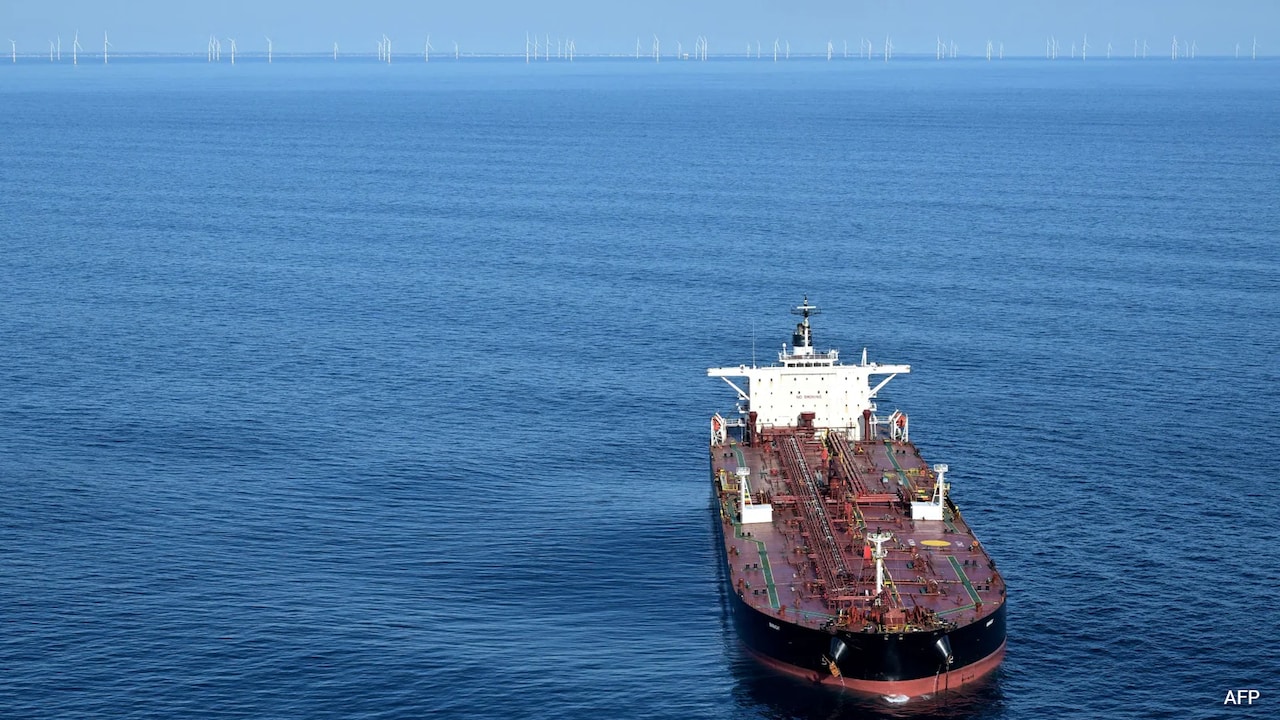
The deal was supposed to put Russian diesel on American docks. Instead, the tankers are turning toward Brazil.
Following the October 9 agreement between U.S. President Donald Trump and Russian President Vladimir Putin—backed by a temporary U.S. Treasury general license running until April 7, 2027, to ease tight distillate supplies—several vessels linked to proposed U.S. shipments have either arrived in Brazil, sailed with "For Orders" signals off South America, or shifted toward the Mediterranean. Rather than opening a clean new pipeline into U.S. fuel markets, the Russian diesel tanker push has exposed a hard commercial wall: a presidential waiver on paper does not automatically erase port risk, compliance liability, or buyer reluctance on the ground.
Anyone who has watched maritime commodities through sanctions cycles knows how deceptive a headline policy shift can be. Washington can issue a license in minutes. Refiners, terminal operators, insurers, correspondent banks, and state authorities take months to decide whether touching the cargo is worth the legal or reputational blowback.
How a Political Deal Collided With Maritime Reality
On October 9, the White House framed the arrangement with Moscow around relief for tight diesel markets, pointing to a broader supply framework of nearly 5 million metric tons across global markets and an initial 300,000-metric-ton tranche. Treasury followed with temporary authorization intended to let sanctioned Russian diesel re-enter trade channels.
On paper, that looked like a straight path for Russian diesel to head west. In practice, physical fuel markets run on risk-adjusted margins, not diplomatic announcements.
When vessels such as the Sierra Leone-flagged Leruo, the Russian-flagged Primorye, the Sierra Leone-flagged Beast, the Russian-flagged Talisman, and the Malta-flagged Agioi Fanendes were tracked in connection with the transatlantic narrative, market resistance hardened quickly. Some ships changed course toward Brazil or entered the Mediterranean, while others lingered offshore transmitting "For Orders" as buyers hesitated or held back.
A license lifts a specific federal prohibition. It does not force a private refiner to buy a politically toxic cargo.
Political pushback compounded the commercial chill. Lawmakers in Washington criticized the arrangement, and state-level warnings—including from New Jersey Governor Mikie Sherrill cautioning port operators and fuel companies against accepting Russian diesel cargoes due to potential legal exposure—raised the stakes for domestic handlers. For a fuel buyer weighing thin refining spreads against congressional scrutiny, state pushback, and potential future policy reversals after the November 3 midterm elections, walking away was the rational move.
Why Brazil Absorbs What U.S. Buyers Reject
While American fuel buyers balked, Brazil has remained an active destination for Russian middle distillates. According to shipping and research figures cited in November 2026 coverage, including data from the Center for Energy and Clean Air Research (CREA) and The Maritime Executive, Brazil took in roughly 1.11 million metric tons of Russian diesel across 34 deliveries involving 28 shadow-fleet ships during 2026, with Russian energy imports reaching billions of reais in value.
Brazil's appetite is structural, not accidental. Agricultural transport, mining, trucking, and inland logistics keep domestic diesel demand heavy, and importers there have operated with a very different risk tolerance than U.S. coastal terminals facing intense domestic political and legal scrutiny.
Consider a hypothetical example to see how trade economics work when one market closes and another stays open. Suppose a trader has 40,000 metric tons of gasoil or diesel sitting on a mid-sized tanker in the Atlantic. Selling into a reluctant U.S. port might require steep price concessions just to overcome buyer compliance friction—or might fail to close at all if terminals refuse berth space. Rerouting toward a buyer base that already accepts Russian middle distillates, such as Brazil or Mediterranean outlets, can keep the cargo moving, even if longer voyages, extra intermediaries, and price discounts eat into netbacks.
That dynamic explains why diversion is a feature of modern sanctions trade rather than a sign that the fuel vanishes into thin air. The molecule still exists. The question is who takes title, which flag and insurer stand behind the hull, and how much margin is lost along the way.
| Market Factor | United States | Brazil |
|---|---|---|
| Regulatory & Political Climate | High scrutiny; congressional criticism and state warnings to ports and fuel firms despite temporary Treasury license. | Ongoing acceptance of Russian diesel imports via shadow-fleet and non-Western shipping channels. |
| Buyer & Terminal Posture | Cautious; reputational exposure, legal uncertainty, and post-midterm political shifts weigh on deals. | Established absorption of Russian middle distillates to meet strong domestic fuel demand. |
| Supply Impact | Proposed initial shipments stalled or diverted rather than delivering immediate relief at U.S. docks. | Acts as a continued outlet alongside Mediterranean and other non-U.S. destinations. |
Refining Pressure at Home and Escalating Maritime Crackdowns Abroad
The rerouted tankers are moving against a backdrop of severe strain inside Russia's own refining system. Reporting by Reuters and shipping coverage in November 2026 highlighted that Ukrainian strikes since late October cut Russian refinery crude processing capacity by 45%, halting or disrupting operations at 15 of the country's 35 major refineries.
When domestic refining units get hit, product availability and export scheduling become harder to predict. A country dealing with damaged secondary and primary processing capacity does not have unlimited, friction-free export surplus waiting on standby. Every rerouted voyage, longer transit, or floating storage spell adds logistical drag.
At the same time, maritime enforcement around shadow-fleet vessels is tightening in other theaters. European naval forces boarded a suspected Russian shadow-fleet tanker in the Mediterranean in mid-November, and France and Britain announced plans to host an international conference in Paris on December 4 focused on countering Russia's shadow fleet.
Those parallel tracks create a sharp tension for Moscow and fuel traders alike. Even where Washington opens a narrow legal window through a temporary license, broader maritime surveillance, insurance and banking caution, and physical disruptions to refining infrastructure keep Russian diesel trading in a high-friction environment.
What Analysts Should Watch Next
Simple narratives usually miss how oil and product markets actually adjust. Claims that a single deal will immediately flood a market—or, conversely, that a few diverted ships end all Russian fuel exports—both oversimplify a messy reality.
Even Ukrainian sanctions officials have noted that while rerouting to Brazil or the Mediterranean imposes extra freight costs, middlemen fees, and price discounts on sellers, cargoes that do not land in the United States often still hunt for buyers elsewhere. Real economic impact shows up in realized prices per ton, insurance and freight overhead, and how many barrels actually clear customs—not just in initial vessel headings.
Until the April 7, 2027 license window plays out, track three concrete indicators:
- Actual U.S. Customs & Port Arrivals: Watch whether any diesel cargo physically discharges at a U.S. terminal or whether vessels continue diverting to Brazil and the Mediterranean.
- Vessel Status Shifts: Monitor ships idling offshore under "For Orders" and look for ship-to-ship transfers or destination updates that reveal who finally buys the cargo.
- Refinery Run Rates and Shadow-Fleet Interdictions: Track Russian refinery recovery after late-October strikes alongside coordinated Western actions following the December 4 Paris shadow-fleet conference.