Panic spreads fast when headlines mention ancient diseases and locked-down facilities. Last year, social media feeds lit up with terrifying claims that Russia was facing a massive 14th-century plague outbreak after a tragic laboratory death in Siberia.
If you read the sensationalized reports, you would have thought modern civilization was about to collapse under a repeat of the Black Death. But the actual reality on the ground was far more complicated, heavily constrained by institutional opacity, and ultimately driven by fears of a laboratory accident rather than a widespread community epidemic.
Let's break down what actually happened, why international health bodies got involved, and why you should look past the panic-driven narratives.
What Triggered the Siberian Plague Scare
The entire scare started in early October 2026 inside the city of Irkutsk. Darya Shipilova, a 28-year-old researcher working at the Irkutsk Anti-Plague Research Institute of Siberia and the Far East, fell ill with severe respiratory symptoms and died shortly after.
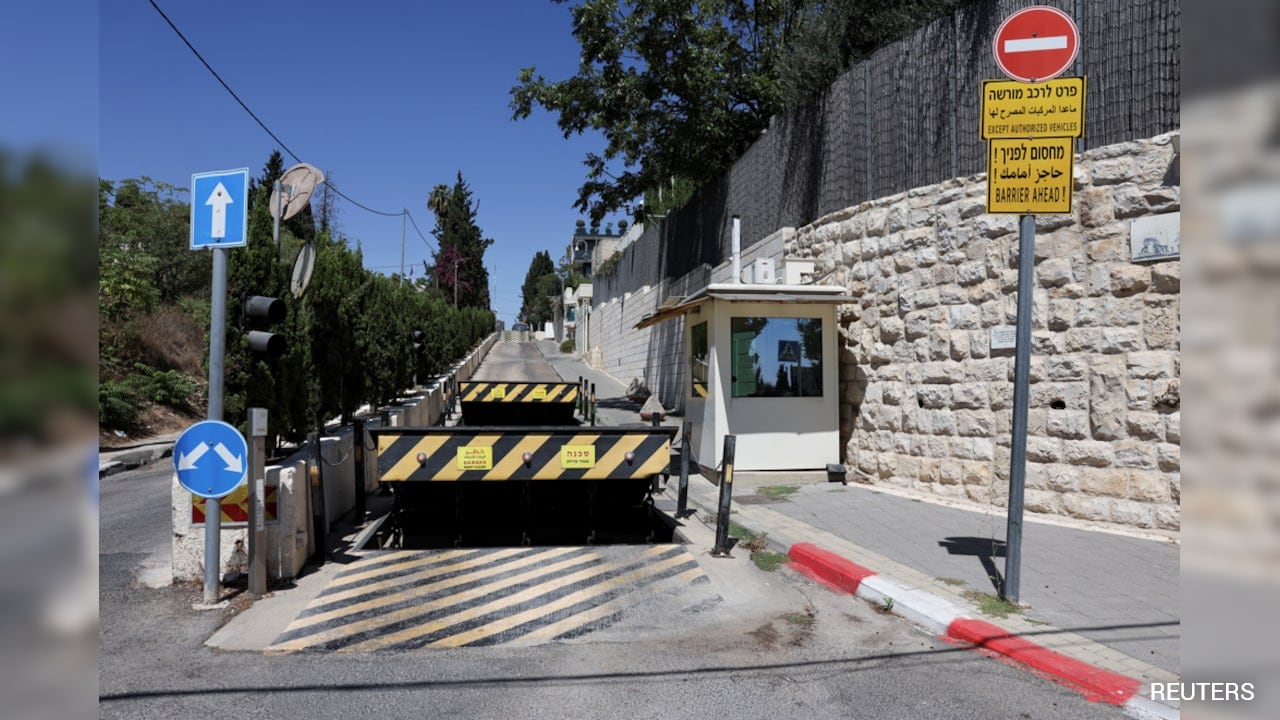
Because the facility explicitly studies high-consequence pathogens—including Yersinia pestis, the bacterium responsible for the plague—local and international media immediately jumped to conclusions. Rumors flew that a deadly strain of pneumonic plague had escaped containment, prompting the immediate lockdown of dozens of institute employees inside the facility and quarantining hundreds of close contacts.
Russian health authorities, led by the federal watchdog Rospotrebnadzor, rushed to contain both the physical containment measures and the PR fallout. They insisted that initial tests showed no evidence of the plague pathogen among her contacts, attributing her death instead to a rapidly progressing pneumonia of unknown etiology.
Why the World Health Organization Got Involved
When public health agencies deal with secretive states, information gaps breed suspicion. The World Health Organization (WHO) stepped in quickly under international health regulations to demand transparency. Independent epidemiologists pointed out that concrete genetic sequencing data and comprehensive clinical breakdowns were slow to emerge from Russian authorities.
This lack of open communication is what turned a local tragedy into an international diplomatic talking point. Western governments, including the United States, monitored the situation closely, questioning whether a localized exposure inside a specialized biosecurity lab was being downplayed.
However, major global health assessments ultimately concluded that the threat of a widespread outbreak was low. WHO representatives noted that contact tracing identified everyone who interacted with the researcher, and none of those individuals tested positive for dangerous pathogens.
Separating Historical Fact from Modern Media Hype
It is easy to see why the media loves a good plague story. The historical context of fourteenth-century pandemics evokes visceral dread. But conflating a modern occupational tragedy or isolated laboratory incident with a medieval-style societal collapse ignores how modern medicine works.
Even if pneumonic plague cases do pop up naturally through rodent or flea vectors in parts of Asia or Africa, or occasionally via rare occupational exposures, we aren't living in the Middle Ages.
- Antibiotics work: Unlike historical populations, modern healthcare providers have powerful antibiotic treatments that cure the plague easily if administered early.
- Containment protocols: Modern epidemiological tracking isolates contacts within hours, preventing the exponential spread seen centuries ago.
- Lab safety standards: While accidents can and do happen in high-security facilities, strict quarantine procedures are designed precisely to clamp down on localized breaches before they reach the public.
What You Should Actually Take Away
Whenever you see breathless news alerts about ancient pathogens or sudden lockdowns in foreign research hubs, take a breath. Check what international regulatory bodies like the WHO are actually saying rather than relying on viral social media snippets.
The Irkutsk incident highlighted valid concerns regarding transparency and international scientific cooperation, but it was never an apocalyptic event. Keep your focus on verified data, and don't let sensationalized history rewrite your view of modern public health safety.