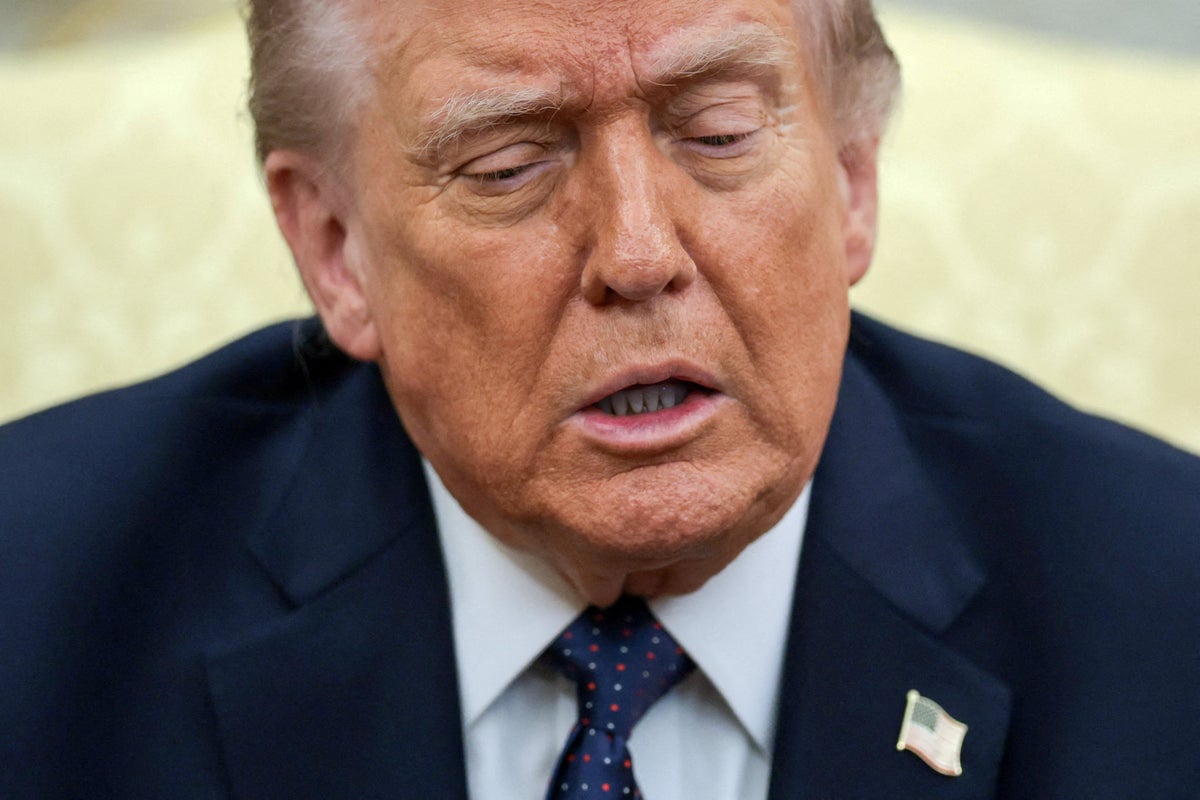
The sudden collapse of the high-stakes diplomatic summit following accusations of leaked negotiation terms represents a calculated breakdown in backchannel communication, rather than an accidental diplomatic blunder. When public accusations of bad faith fly between Washington and Tehran, the immediate assumption is that the talks died of natural political friction. The reality is far more intentional. Negotiations of this magnitude rarely fail because a single document finds its way to the press. They fail because one or both parties decide that the political cost of staying at the table has eclipsed the benefits of a deal.
In this instance, the accusation that Tehran leaked fabricated terms to gain leverage did not just disrupt the proceedings. It provided an immediate, highly visible exit ramp for an administration facing intense domestic pressure to abandon the talks entirely.
The Architecture of a Premeditated Leak
Diplomatic negotiations rely on a strict hierarchy of confidentiality. To understand why these talks dissolved into mutual recrimination, one must look at how modern international pacts are structured.
Negotiating teams operate in three distinct layers. Tier-one consists of the public-facing diplomats who deliver speeches and state official positions. Tier-two comprises the technical experts, lawyers, and economists who draft the actual clauses. Tier-three is the black box—the deniable backchannel where the real trade-offs happen.
[Tier 1: Public Diplomats] -> Official Stances & Media Statements
[Tier 2: Technical Experts] -> Draft Clauses, Legalities, & Economics
[Tier 3: The Black Box]      -> Deniable Backchannels & Real Trade-offs
When a leak occurs, the nature of the information reveals exactly which tier it originated from. The terms leaked in this cycle did not contain the dense, dry language of tier-two technical staffers. They were designed for public consumption, filled with politically sensitive concessions that were guaranteed to trigger a backlash in both Washington and Tehran.
This was not a whistle-blower exposing a secret. This was a strategic leak engineered to make continued negotiation impossible.
By framing the leaked documents as "fake," the administration achieved a dual objective. It discredited the substance of the report while simultaneously branding the counterparty as untrustworthy partners. For Tehran, the public exposure of potential concessions threatened to destabilize their standing with hardline domestic factions who view any compromise with the West as treason. Once the details—real or fabricated—became public currency, the political survival of the negotiators on both sides required them to walk away.
The Domestic Imperatives Driving the Friction
Foreign policy is almost always an extension of domestic political anxiety. The collapse of these talks cannot be viewed in isolation from the electoral calendars and internal power struggles governing both nations.
In the United States, the administration faces a fractured electorate and a legislature deeply skeptical of any diplomatic thaw with Iran. Every concession offered in a closed room is a potential campaign ad for the opposition. By aggressively shutting down the talks over an alleged leak, the White House reasserts its nationalist credentials. It signals to domestic critics that it will not be manipulated by foreign adversaries, effectively neutralizing a potent political vulnerability.
The View from Tehran
Conversely, Iran’s political structure is far from monolithic. The Iranian negotiating team answers to a complex web of authority, including the Supreme Leader, the Islamic Revolutionary Guard Corps (IRGC), and a hardline parliament eager to punish any sign of weakness.
- The Pragmatists: Eager for sanctions relief to stabilize a sputtering economy and quiet domestic unrest.
- The Hardliners: View economic hardship as a manageable price for maintaining ideological purity and regional defiance.
For the hardliners, a leaked draft that shows the pragmatic faction offering structural concessions on missile programs or regional proxies is a gift. It allows them to torpedo the talks from within, using the state-controlled media to frame the negotiators as incompetent or worse. If the leak originated in Tehran, it was likely born from this internal civil war, aimed at protecting the status quo against the threat of economic modernization.
The Myth of the Neutral Intermediary
When major powers attempt to bridge a diplomatic chasm, they frequently rely on third-party intermediaries. European diplomats, Swiss officials, and Gulf states have historically filled this vacuum. Yet, the breakdown of the latest round of talks exposes the profound limitations of modern mediation.
Intermediaries are not passive couriers. They have their own geopolitical portfolios, economic interests, and regional anxieties. A European Union mediator wants regional stability to secure energy markets and prevent refugee crises. A Gulf state intermediary might want a deal that limits Iran’s regional footprint but fear a comprehensive grand bargain that leaves Washington less reliant on local partnerships.
When backchannels become congested with multiple intermediaries, the risk of information rot increases exponentially. A proposal whispered in Geneva is interpreted in Brussels, repackaged in Doha, and delivered to Washington. By the time it arrives, the original context is stripped away, leaving a distorted text that is easily weaponized by anyone looking for a reason to break off talks. The failure here lies in the structural vulnerability of indirect diplomacy. When parties refuse to sit face-to-face without a buffer, they outsource the integrity of their communications to actors who may benefit from the status quo remaining unresolved.
The High Cost of Verification Failure
The fundamental friction in any arms control or sanctions negotiation is verification. Can you trust the other side to do what they say they will do when the cameras are turned off?
The accusation of leaking fake terms cuts directly to the heart of this problem. It proves that even before a treaty is signed, the mechanism for verifying compliance is broken. If a nation cannot trust its counterpart to keep a preliminary draft confidential, it cannot trust them to dismantle centrifuges or unfreeze assets under the oversight of international monitors.
This trust deficit is worsened by the history of broken agreements. The legacy of the 2015 Joint Comprehensive Plan of Action (JCPOA) hangs over every meeting room. Tehran remembers the unilateral American exit from the deal in 2018. Washington remembers decades of clandestine enrichment and regional proxy operations. This historical baggage transforms every minor procedural dispute into a existential crisis. A leak is no longer just a leak; it is viewed as a continuation of a decades-long campaign of deception.
The Shift to Asymmetric Leverage
With formal diplomacy frozen, the confrontation shifts back to the arena of asymmetric pressure. This does not mean an immediate descent into conventional military conflict, which neither side desires. Instead, the world will see an acceleration of the gray-zone warfare that has characterized this rivalry for years.
We are entering a phase of competitive escalation. For Washington, this means tightening the economic screws. Sanctions evasion networks in Asia will face increased scrutiny, and enforcement on Iranian oil exports will become more aggressive. The goal is to force Tehran back to the table under even more desperate economic conditions.
Diplomatic Collapse -> Gray-Zone Escalation -> Asymmetric Leverage
Tehran’s counter-strategy will rely on its own levers of influence. Expect to see:
- An increase in the purity and volume of enriched uranium, pushing the breakout timeline closer to the critical threshold to alarm Western intelligence agencies.
- An escalation in cyber operations targeting Western critical infrastructure and financial institutions.
- Renewed logistical and financial support to regional proxies, signaling that instability in the Middle East remains a low-cost, high-yield option for Iranian foreign policy.
This cycle of action and reaction is predictable, dangerous, and remarkably stable. Both sides understand the rules of this undeclared conflict. The danger is not that they will intentionally start a war, but that a miscalculation in the gray zone—a cyberattack that goes too far, a drone strike that hits the wrong target—will trigger an escalatory spiral that neither side can politically afford to back down from.
The Illusion of a Better Deal
The fatal flaw in the current strategy of both administrations is the belief that time is on their side. Washington operates under the assumption that economic pressure will eventually force Iran to accept a more comprehensive agreement that addresses not just its nuclear ambitions, but also its ballistic missile development and regional influence. This is a profound misreading of the ideological resilience of the Iranian regime.
Tehran operates under the reverse assumption. They believe the West is tired of Middle Eastern entanglements, fractured by internal political polarization, and ultimately unwilling to use military force to stop their nuclear program. They calculate that by enduring short-term economic pain, they can emerge as a threshold nuclear state, permanently altering the balance of power in the region.
Both calculations are likely wrong. Economic pressure has failed to break the regime in Tehran for four decades. Conversely, Western reluctance to enter a new war does not mean a blank check for Iranian expansionism. By waiting for the perfect deal, both sides ensure that the baseline security situation continues to deteriorate. The collapse of these peace talks is not a temporary pause in a long journey toward a resolution. It is the definitive end of an era of diplomacy that relied on the traditional rules of engagement. Moving forward, any future attempt at de-escalation will have to be built from the ground up, on the ruins of a broken framework that neither side believes in anymore.


