The air at Playa Girón doesn't just sit on your skin; it clings. It carries the scent of brine, decaying vegetation, and a heavy, humid stillness that feels older than the modern world. If you stand on the jagged limestone shore of the Bay of Pigs today, the turquoise water looks deceptively peaceful. It invites you to swim. But for the aging men sitting in the shade of the sea-grape trees, this water once vomited fire.
History books have a way of flattening the soul out of a moment. They tell you about the 1,400 CIA-trained exiles of Brigade 2506. They cite the failed air strikes and the tactical errors of the Kennedy administration. They turn 72 hours of chaos into a series of bullet points.
Reality was much louder.
Consider a man like Nemesia Rodriguez. In 1961, she wasn't a historical figure or a political symbol. She was a young girl in a white dress living in one of the most forgotten corners of Cuba. Her world was charcoal, swamp mud, and the crushing poverty of the Zapata Swamp. Then the sky fell. When the B-26 bombers—painted to look like Cuban planes—roared overhead, they weren't just attacking a government. They were shredding the roof of her home. Nemesia's mother died in that attack. For her, the "victory" at the Bay of Pigs isn't a abstract concept of geopolitical defiance. It is the memory of a blood-stained white dress and the smell of cordite.
The Swamp That Swallowed an Invasion
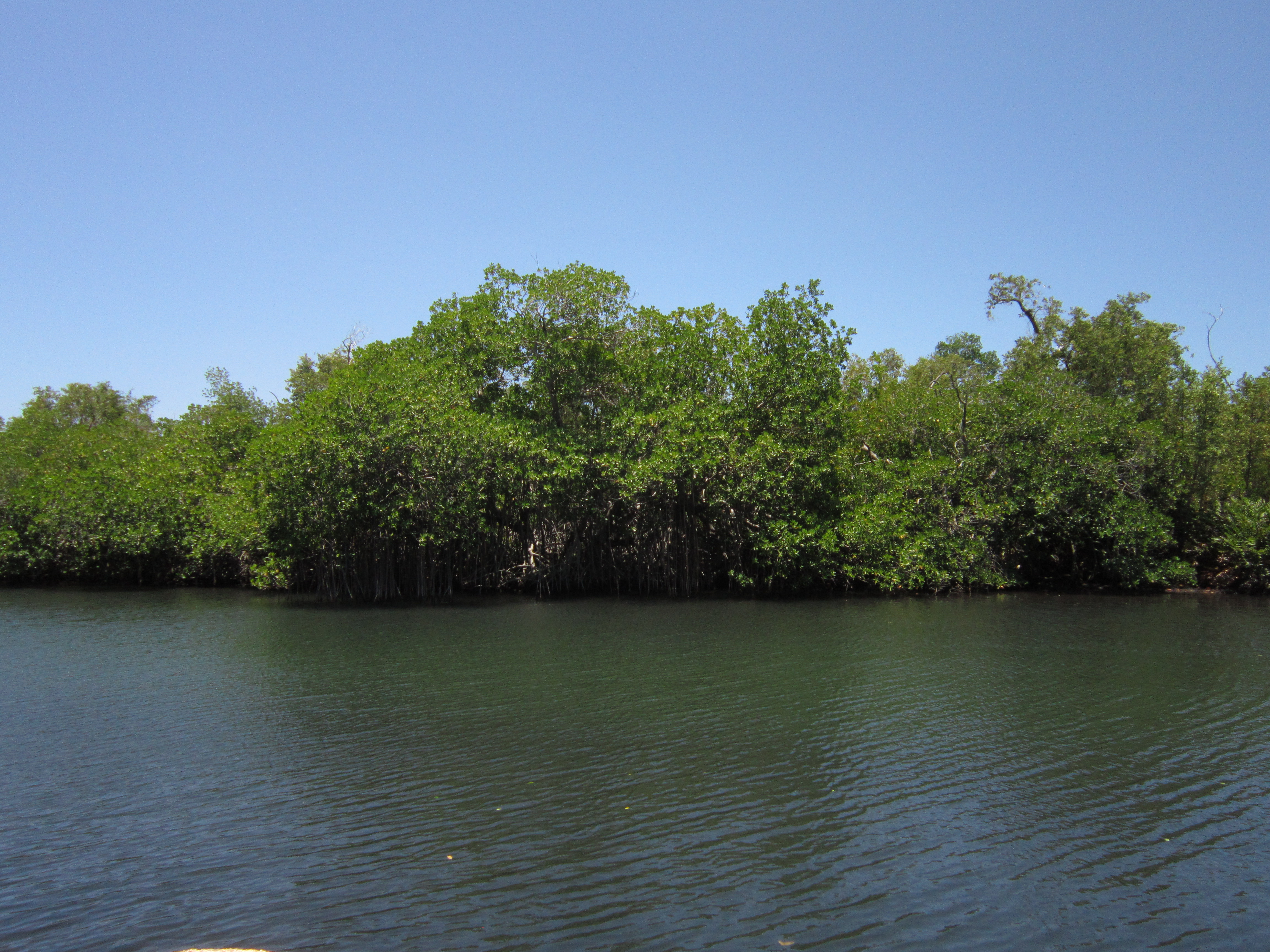
To understand why this stretch of coastline remains the psychological heartbeat of Cuban identity, you have to understand the terrain. The Zapata Swamp is a labyrinth. It is a place where the ground can vanish beneath your feet and the mosquitoes hunt in clouds.
When the invasion began on April 17, 1961, the planners in Washington saw a remote landing strip and a beachhead. They didn't see the people who had just been given shoes for the first time in their lives by a new revolution. They didn't realize that for the local carboneros—the charcoal burners—the revolution wasn't a theory. It was the road that had finally connected their isolated huts to a doctor.
When the exile brigade landed, they weren't just fighting an army. They were fighting a population that felt it was finally defending its own dirt.
The battle was frantic. It was a mess of sinking ships and paratroopers dropping into the teeth of a gale. The Houston and the Rio Escondido, two of the invaders' supply ships, were hammered by Cuban jets. Imagine being a young recruit on those ships, watching your ammunition and food sink into the dark Caribbean blue while the sun climbed higher. The stakes weren't just about who sat in the palace in Havana. For those in the water, it was about survival. For those on the shore, it was about an existential threat from a neighbor that had controlled their island's destiny for half a century.
A Victory Etched in Scarcity
Walk through the museum at Playa Girón now, and you see the artifacts of a shoestring defense. You see the old T-34 tanks and the Sea Fury fighter-bombers. They look like toys compared to modern hardware, but they are treated like holy relics.
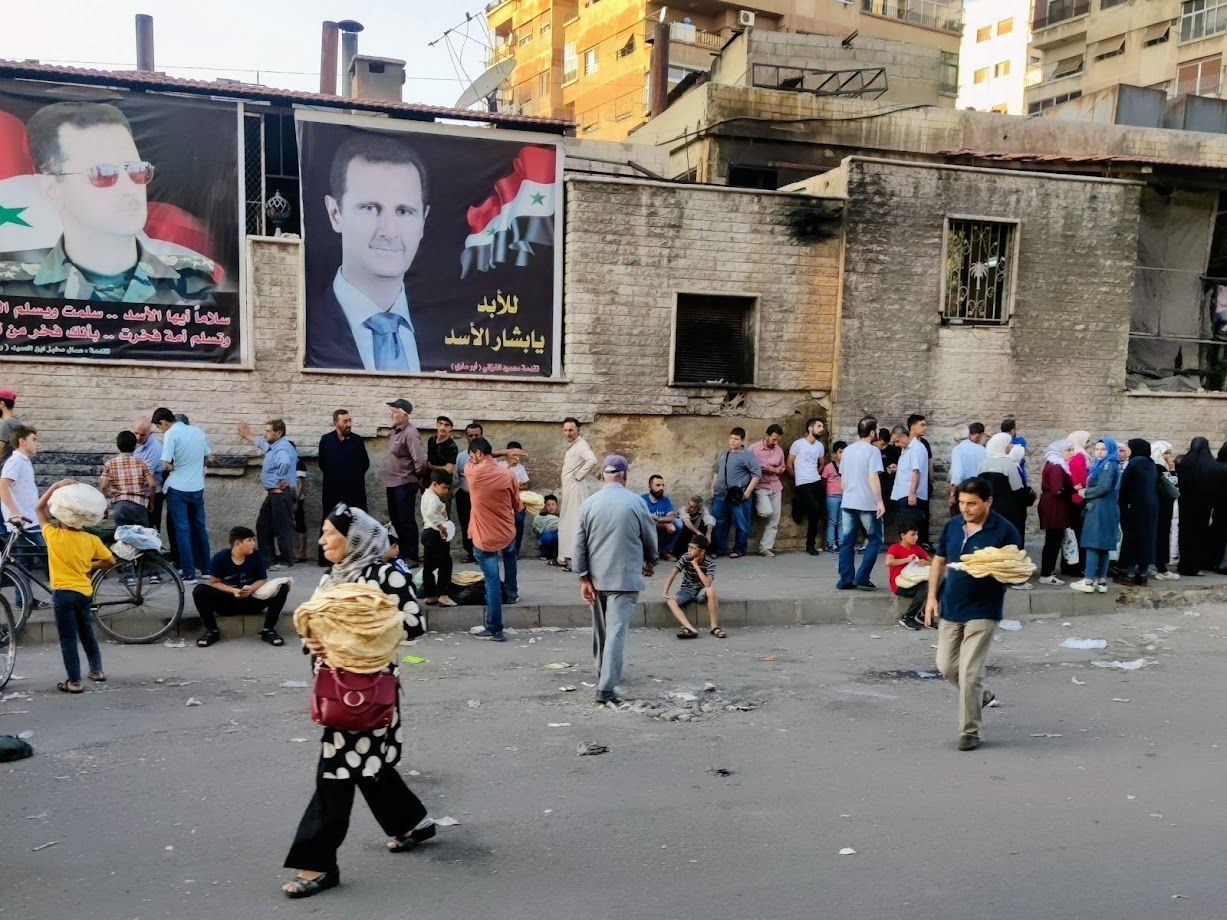
There is a specific kind of pride that grows in the soil of a besieged nation. It is a pride fueled by the "despite." We succeeded despite the odds. We survived despite the blockade. Every year, when the anniversary of the victory rolls around, the Cuban government leans heavily into this narrative. They have to. Because today, the enemies aren't paratroopers. The enemies are power outages, a crumbling currency, and the desperate lines for bread that stretch around city blocks.
The parallels today are impossible to ignore, and the Cuban leadership knows it. When the government speaks of Playa Girón in the 21st century, they are using the ghost of 1961 to explain the hardships of 2026. They frame every economic failure as a new "Girón," a new battle against an external force designed to make the people crumble.
But talk to the people in the streets of Matanzas or Cienfuegos, and you hear a more complex melody.
"We won the bay," an old man tells me, his hands leathered from decades of cutting cane. He points toward the coast. "But the sea is still there, and the stomach is still empty."
The Invisible Stakes of a Modern Siege
The tragedy of the Bay of Pigs is that it never really ended. It just shifted form. The military invasion failed in three days, but the economic and political siege has lasted sixty-five years.
For a Cuban teenager today, the 1961 victory feels as distant as the Napoleonic Wars. They don't care about the B-26s. They care about the fact that their smartphone can’t access certain apps because of the embargo. They care about the fact that their best friend just left on a raft for Florida—the same Florida where the 1961 invasion was hatched.
The irony is thick enough to choke on. The descendants of the men who fought each other at Girón are now often living in the same neighborhoods in Miami, or sending remittances back to the same villages. The "invaders" and the "defenders" have become a diaspora of shared trauma.
Yet, the pride remains. It is a stubborn, jagged thing.
It is the pride of a small island that looked at the most powerful empire in human history and said, "No." Even those who hate the current government often hold a secret, flickering light for the moment their fathers stood their ground. It is the human desire for sovereignty, decoupled from the failures of administration.
The Silence After the Roar
If you visit the bay at twilight, the monuments look like teeth against the darkening sky. There are markers along the road for every person who died defending the territory. Each one is a headstone for a life that ended in a flash of metal and salt.
The narrative of the Bay of Pigs is often told as a clash of titans—Kennedy vs. Castro, Capitalism vs. Communism. But titans don't bleed.
The real story is the sound of a boots treading on sharp coral. It’s the sound of a mother screaming in a swamp. It’s the silence of a village that realized the world would never let them be.
The victory stirs pride because it proved that the script could be flipped. The small could beat the large. The forgotten could be remembered. But as the sun dips below the horizon and the mosquitoes begin their nightly patrol, that pride is often a cold comfort.
The victory at Playa Girón was a beginning, not an end. It set the stage for a decades-long standoff that has defined the lives of four generations. It created a fortress out of an island. But a fortress, while safe, is also a cage.
The turquoise water continues to lap at the shore, indifferent to the ideologies of the men who died in it. It washes over the coral, slowly eroding the limestone, patient and relentless. It waits for the next tide, the next conflict, the next generation to stand on the sand and wonder if the victory was worth the price of the peace that followed.
Beneath the waving palms, the ghosts of 1961 are still there, whispering in the salt spray, reminding anyone who listens that once the dogs of war are let loose in the swamp, the mud never truly dries.