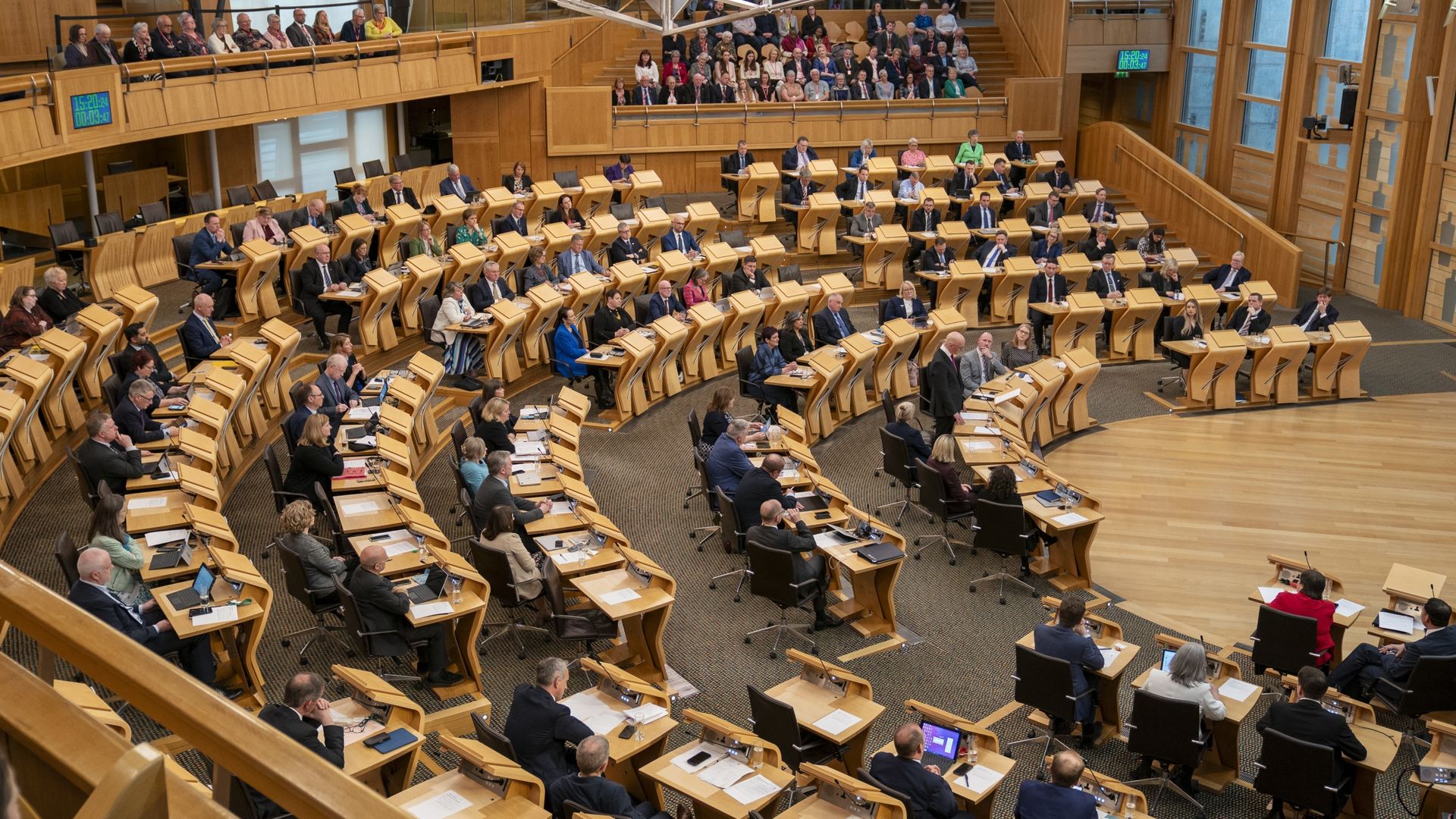
Holyrood just pulled off a quiet bit of digital housekeeping, and it's kicking off a massive row about political transparency. Walk onto the official Scottish Parliament website right now and you'll find you can no longer filter the list of Members of the Scottish Parliament (MSPs) by gender. The search function is simply gone.
This wasn't some random technical glitch. It happened right after the 7 May election, which saw the historic return of Scotland’s first two openly transgender MSPs. For years, the site allowed users to sort politicians cleanly into boxes: male or female. But as soon as the demographic makeup of the chamber evolved, parliament bosses chose to scrap the tracking tool entirely.
The decision has triggered an immediate backlash. Campaigners are furious, claiming the move effectively erases the historical tracking of women’s representation in Scottish politics. Meanwhile, parliamentary officials insist they're just modernizing a clunky, outdated system.
Here is exactly what went down, why it matters, and why the simple act of removing a website filter has exposed a deep ideological rift in Edinburgh.
The Historic Shift in Holyrood's Demographics
To understand why the IT department was suddenly thrown into a spin, you have to look at the results of the recent May election. The Scottish Green Party secured regional list seats for two candidates who made history.
Dr Q Manivannan, a trans Tamil immigrant elected to represent the Edinburgh and Lothians East region, identifies as nonbinary and uses they/them pronouns. Iris Duane won a seat on the Glasgow regional list, identifying as a trans woman and using she/her pronouns.
Their arrival immediately broke the binary structure of the existing parliamentary website. Initially, web managers tried to adapt. They expanded the search options, adding a nonbinary category for Manivannan and placing Duane on the female list.
Then, almost overnight, the entire gender filter vanished. It didn't just disappear for the newly elected politicians. The change applies retroactively, meaning you can't use the tool to analyze the gender balance of previous parliamentary sessions either.
The Clash Over Erasing Women vs Modernizing Code
The sudden disappearance of the data filter has drawn fierce criticism from sex-realist feminist groups. For Women Scotland, a prominent advocacy group known for winning a landmark Supreme Court case establishing that "male" and "female" in the Equality Act refer to biological sex, didn't hold back. They pointed out that the option to search for female MSPs vanished without warning, taking the public record of women's representation with it.
The group's stance is straightforward. Women make up 51% of the population. If a parliament is meant to reflect that reality, you have to count women to ensure they're visible. Academic researchers are equally concerned. Dr Kath Murray from the policy collective Murray Blackburn Mackenzie warned that the change serves to obscure female political representation at a time when tracking sex-disaggregated data remains vital for public policy.
Holyrood officials see things differently. When questioned about the sudden shift, a Scottish Parliament spokesperson labeled the online filter a "legacy system." They claimed the removal is part of a broader, ongoing Inclusive Parliament Review. This review is tasked with reassessing how parliamentary systems function, including what personal information about members should be published online and what format it should take.
Basically, the official line is that the website architecture was old and rigid, so they scrapped the feature while they figure out a more modern approach.
Pronoun Mandates and a Fractured Chamber
This website dispute isn't happening in a vacuum. It's part of an escalating battle over speech and identity within the parliament building itself.
The newly appointed presiding officer, Kenny Gibson, recently signaled a strict approach to chamber etiquette. In an interview with The Times, Gibson made it clear that MSPs must use the preferred pronouns of their colleagues. He warned that any deliberate attempt to misgender a member would be called out in the chamber, with appropriate disciplinary action taken. Gibson argued that regardless of personal views, respecting what a member wishes to be called is vital to prevent anyone from feeling undervalued or disrespected.
That directive sits uncomfortably with a significant portion of the chamber. Three major parties represented in Holyrood—the Conservatives, Labour, and Reform—have members who openly oppose gender identity ideology. High-profile figures like Conservative deputy leader Rachael Hamilton have built their platforms on sex-realist views.
The parliamentary guidance on conduct states that the chair won't tolerate language that could be perceived as demeaning or harassing based on protected characteristics. But critics argue that forcing politicians to use gender-identity language against their beliefs crosses the line from courtesy into institutional coercion.
What Happens Now
The fight over Holyrood's digital data is far from over. If you're a researcher, journalist, or voter trying to track the diversity of the Scottish Parliament, you're currently forced to tally the numbers manually.
If you want to keep an eye on how this situation develops, keep watch on the progress of the Inclusive Parliament Review. The committee's upcoming reports will reveal whether they intend to restore a more nuanced demographic search tool or if they'll bury sex and gender data permanently.
You should also watch the official parliamentary reports for the first major clash in the debating chamber. With the presiding officer promising to penalize anyone who refuses to use preferred pronouns, a high-profile standoff between traditionalist MSPs and the chair is almost guaranteed during the upcoming legislative session.