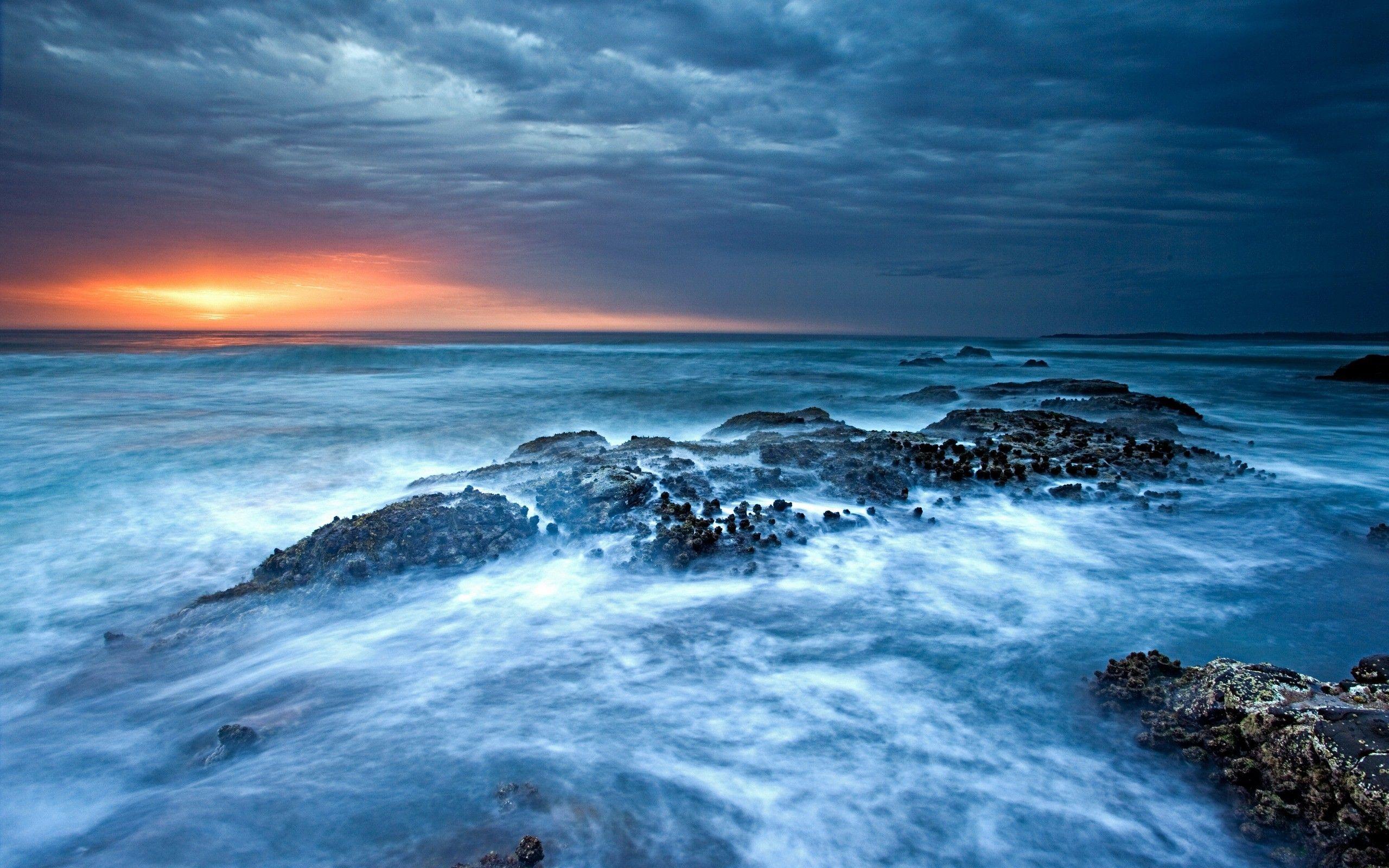
The water off the northern coast of Cyprus does not look like a graveyard. On a clear night, under a sky heavy with salt and indifferent stars, it looks like a sheet of dark glass. It rolls. It breathes. It hides.
Until it doesn't.
Imagine standing on that deck, not as a statistician counting bodies, but as a person holding a small bag containing your entire life. Two hundred and sixty-nine souls. Crew members rushing past with salt-stiffened jackets. Engines vibrating through the soles of your shoes—a low, mechanical heartbeat promising movement, promising distance, promising safety from whatever you left behind.
Then, the tilt.
That is how it always begins. Not with an explosion, but with a betrayal of physics. The weight shifts. The vessel, carrying nearly two hundred and seventy passengers, surrenders to the black swell off northern Cyprus. Seven lives are extinguished before the dawn can explain what happened. Seven bodies pulled from the foam, while the rest are searched for by crews fighting a merciless tide.
We talk about maritime disasters in numbers. We call them incidents. We write reports that smell of stale coffee and bureaucratic caution. But numbers do not capture the sheer weight of panic in a cabin when the lights die.
I know what it feels like to trust a hull. You lean your shoulder against the cold steel of a ferry railing, watching the white wake churn into nothingness, and you assume the invisible machinery of the world is working. You assume the manifest was checked. You assume the weight was calculated. You assume someone, somewhere, cares deeply enough about your survival to stop a boat from leaving the dock if the math doesn't add up.
That trust is a fragile thing.
Consider what happens next: the silence after the rescue boats leave. The families gathered on a shore thousands of miles from where their loved ones boarded, staring at a horizon that refuses to give up its dead.
Maritime tragedies in these contested waters carry a double shadow. There is the immediate mechanical failure—the overloading, the lack of oversight, the ruthless economics of human movement. And then there is the geopolitical vacuum. When a vessel capsizes off a coastline governed by a state recognized by almost no one else, accountability becomes a ghost story. Who investigates? Who pays for the safety audits that were skipped to save an extra hour of fuel? Who answers to the parents whose children will never unpack their bags?
The ferry was small enough to slip through the cracks of international regulation, yet large enough to hold a village's worth of hopes. Nearly two hundred and seventy people trusted that hull with their breath.
Darkness.
Water rushing where air belongs.
The frantic scramble for life jackets that may or may not have been locked away.
We are obsessed with progress, with speed, with connecting every corner of the earth. Yet we still lose families to the dark water because a boat was too heavy, too old, and too alone. The sea does not negotiate. It simply takes what is offered to it.
When the sun finally rose over northern Cyprus that morning, it illuminated floating debris and empty shoes. It illuminated the failure of systems designed to protect the vulnerable.
Seven dead.
And the tide keeps moving, indifferent to the names we are now desperately trying to spell out loud.