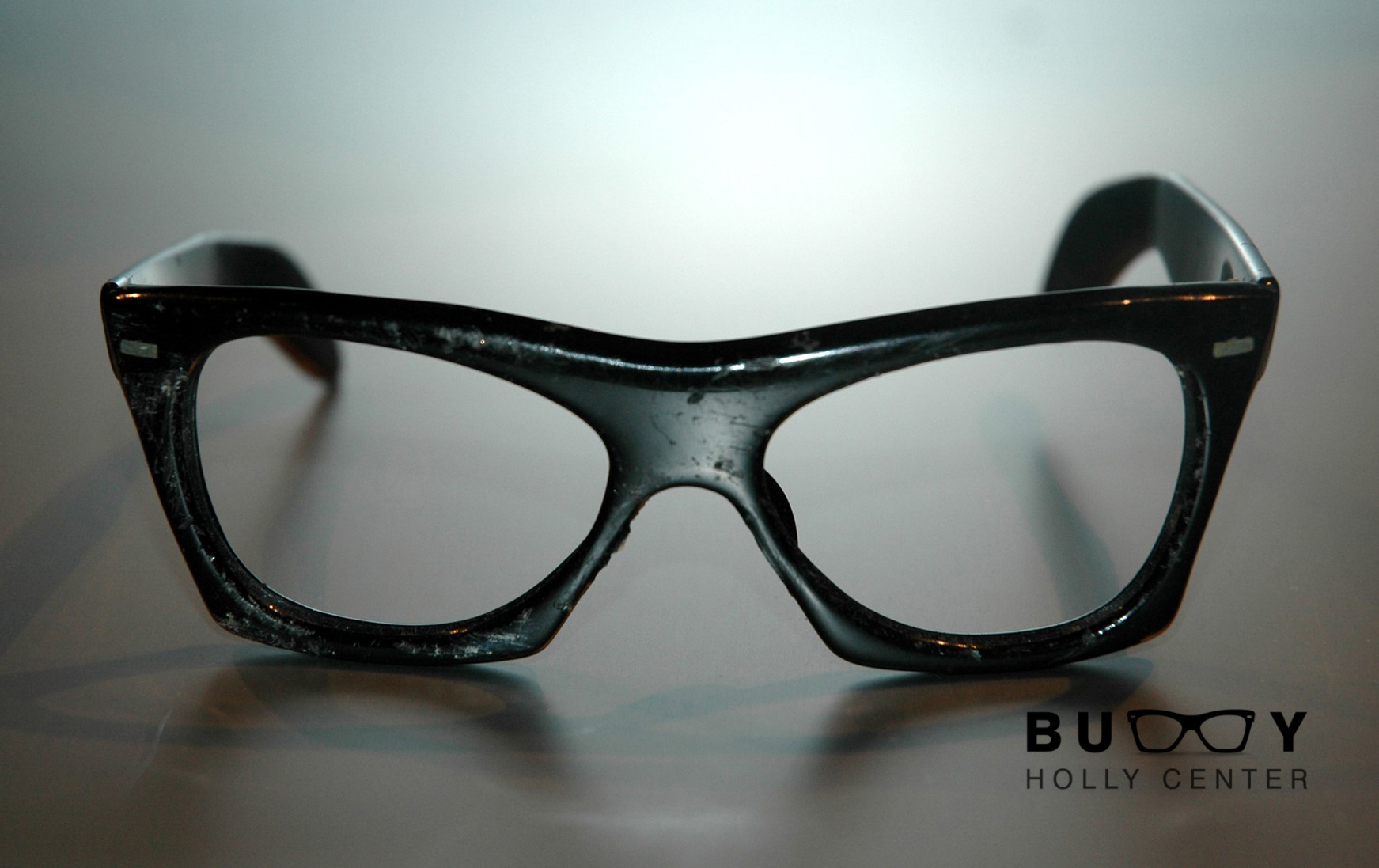
Common sense suggests that a sealed envelope is the ultimate symbol of privacy. You put something inside, lick the seal, and expect it to stay hidden until the right person opens it. But in the messy world of probate law and contested wills, a simple envelope can become a ticking time bomb. Recently, a case involving a pair of glasses found inside a sealed envelope has moved from a family grievance to a full-blown court battle. It's the kind of story that makes you realize how the smallest physical details can dismantle years of estate planning.
When we talk about inheritance, we usually think of bank accounts, title deeds, or perhaps a jewelry box. We don't think about reading glasses. Yet, these glasses have become the focal point of a legal tug-of-war because they represent something much bigger than vision correction. They represent intent. In the eyes of the court, the presence of an object inside a "sealed" document can either validate a person's final wishes or prove that the documents were tamered with after the fact.
The Mystery of the Envelope and Why It Matters
Most people think a will is just a piece of paper. It isn't. It's a legal "instrument." For that instrument to be valid, it has to follow strict rules about how it's stored and who has access to it. When a sealed envelope is presented to a court, and that envelope contains unexpected items like a pair of glasses, alarm bells go off for every lawyer in the room.
The core of this specific court case hinges on a simple question. How did the glasses get there? If the deceased put them there, why? If someone else put them there, did they also swap out the pages of the will?
This isn't just a quirky anecdote. It’s a lesson in "chain of custody." In legal terms, the chain of custody refers to the chronological documentation or paper trail that shows the seizure, custody, control, transfer, and analysis of evidence. When a sealed envelope is opened and something as bulky as a pair of glasses falls out, it suggests the seal might not have been as permanent as everyone thought.
How Small Objects Break the Law of Probate
Probate courts are notoriously old-school. They love physical evidence. They love wet-ink signatures. And they absolutely hate "anomalies." A pair of glasses is a massive anomaly.
Think about the physical space. A standard envelope meant for legal documents is flat. If you tuck a pair of glasses inside, the paper stretches. The glue creates a different tension. Over years of storage, those glasses leave an indentation or a "footprint" on the paper.
Forensic Analysis of Paper and Glue
In cases like this, lawyers often bring in forensic document examiners. These experts don't just look at the handwriting. They look at the "morphology" of the envelope. They check for:
- Fiber disturbance around the seal.
- Micro-tears that suggest the envelope was steamed open and resealed.
- Chemical residue from modern adhesives that wouldn't have been used when the will was originally signed.
If those glasses were shoved into the envelope years after the will was signed, the paper fibers will tell that story. It’s nearly impossible to hide the physical trauma of reopening a sealed envelope.
The Psychological Angle of the Deceased
Sometimes, people do weird things when they’re preparing for the end. I’ve seen cases where people taped a key to the back of a portrait or hid cash inside a hollowed-out book. Putting glasses in an envelope might have been a symbolic gesture. Maybe the deceased wanted the beneficiary to "see" things clearly. Or maybe, in a moment of cognitive decline, they simply misplaced them.
But here’s the problem. The court doesn't care about "maybe." The court cares about "capacity." If a person was confused enough to seal their bifocals inside their last will and testament, did they have the mental capacity to sign that will in the first place?
This is where the "Glasses in an Envelope" case gets dangerous for the executors. Opposing counsel will argue that the act of sealing glasses in an envelope is proof of "unsound mind." It’s a devastating argument that can void an entire estate plan, leaving the assets to be distributed by state law rather than the person's actual wishes.
Why You Should Never Use Envelopes for Storage
If you're sitting at home thinking about your own papers, stop using envelopes. Seriously. It’s a rookie mistake. People love the "drama" of a sealed envelope, but it creates more problems than it solves.
When you seal a document, you’re creating a "black box." No one knows what’s inside until you’re gone. If there’s a mistake, a stray object, or a missing page, it can't be fixed. You're better off using a professional fireproof safe or a digital vault where the "metadata" proves when the file was last accessed.
The Role of the Witness in These Disputes
Every valid will needs witnesses. Usually two people who watch you sign and then sign it themselves. In this court case, the witnesses are being grilled. Did they see the glasses? Did they see the envelope being sealed?
Most witnesses don't pay attention. They’re there for five minutes, they sign the paper, they have a cup of coffee, and they leave. But in a high-stakes court case, that five-minute interaction is dissected for hours. If a witness can't remember the envelope being sealed, the "sealed" status of the document loses its legal weight.
Specific Steps to Protect Your Own Documents
You don't want your kids or your business partners fighting over a pair of glasses in a courtroom ten years from now. Avoid the drama by following a few hard rules.
- Ditch the "Surprise" Factor: Tell your executor exactly where your documents are and what they look like.
- Use Transparent Storage: If you must keep physical copies, use clear plastic sleeves inside a binder. You can see exactly what's in there without breaking a seal.
- Audit Your Files Annually: Take your documents out once a year. Make sure no one has tucked a "souvenir" or a pair of glasses inside the folder.
- Video Your Signing: It sounds extreme, but a 30-second video of you signing your will and placing it in a specific location is worth more than a thousand sealed envelopes.
The "Glasses in a Sealed Envelope" case is a reminder that the law is literal. It doesn't look for meaning; it looks for evidence. If your evidence is messy, your legacy will be too.
Ensure your legal documents are handled by a professional who understands that storage is just as important as the words on the page. Don't leave your final wishes to be interpreted through the lens of a misplaced pair of spectacles. Clear, open, and verified communication beats a "secret" envelope every single time.