The public has a right to see how justice works. When a judge slams the door shut without explaining why, it triggers immediate warning signs.
That is exactly what happened in a Manhattan courtroom. New York Judge Gregory Carro held a completely secret virtual hearing in the state murder case against Luigi Mangione. Mangione is the 28-year-old Ivy League graduate accused of shooting UnitedHealthcare CEO Brian Thompson outside a Midtown hotel in late 2024.
The shooting sparked an intense national conversation about the American healthcare system. Because of that massive public interest, keeping the public in the dark is a bad look for the legal system.
Shutting Out the Press Without an Explanation
The virtual conference happened on Wednesday morning. It was originally scheduled publicly back on May 18 to discuss baseline logistics like jury selection and trial scheduling. In New York courts, these online meetings are usually broadcast on screens inside the physical courtroom so reporters and citizens can keep track of the progress.
Instead, court administrators unexpectedly announced the day before that the entire session would be sealed. They gave the media less than 24 hours of notice. When news organization lawyers tried to object and ask for a reason, they were ignored.
A lawyer representing several media outlets called Judge Carro’s chambers to get clarification. The judge's clerk reportedly told him that they do not read emails at night, told him they go home, and hung up on him.
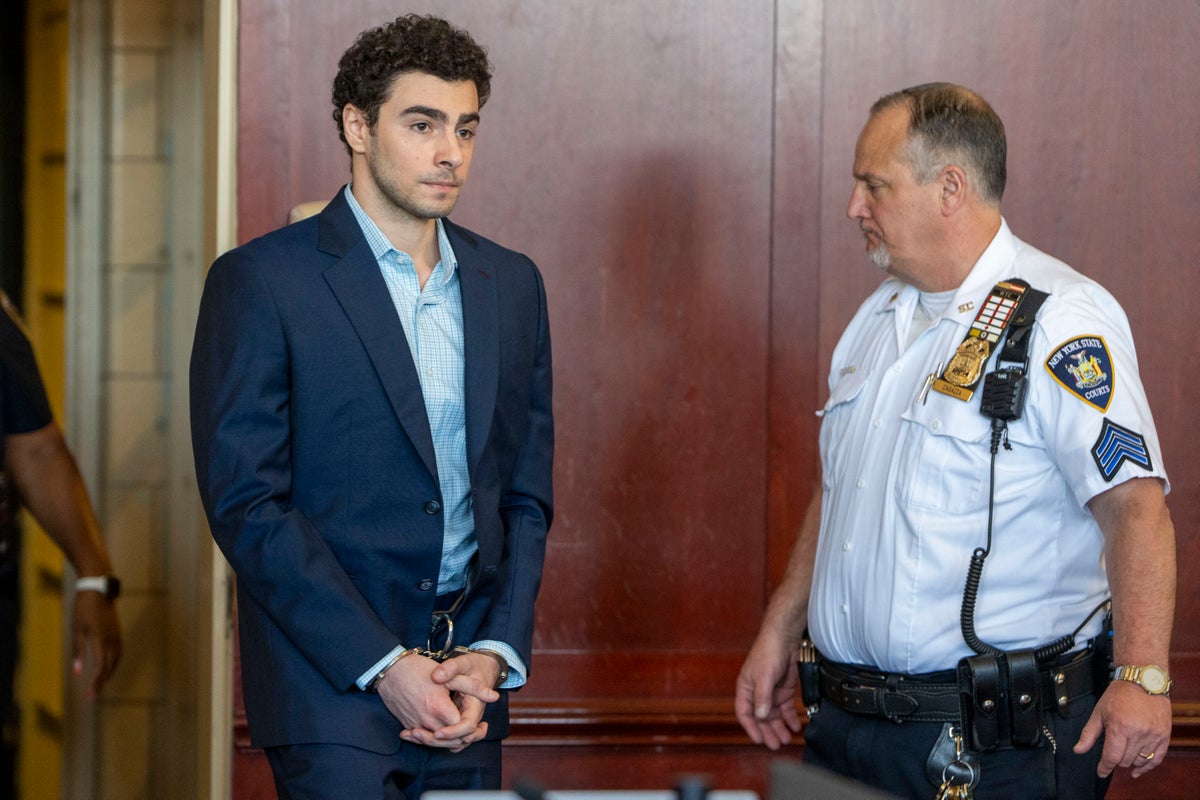
When the judge finally took the bench in the actual courtroom after the secret meeting, he spent less than a minute addressing the situation. He noted that the defense team requested the secrecy, declared the matter sealed at the moment, and immediately moved on to other cases before reporters could stand up to object.
The Problem with Broken Courtroom Transparency
American courts operate under a strict presumption of openness. Judges cannot simply lock the doors because the parties prefer to chat in private. There are legal exceptions, of course, like protecting highly sensitive personal medical records or classified data. But even then, the law requires judges to explicitly state their reasoning on the public record.
Carro failed to do that. This marks the third time in six months that this specific courtroom has iced out the press regarding the Mangione case.
- In December, court officers kicked a reporter out of the room for trying to formally object to sealing evidence.
- In February, the judge held a 27-minute sidebar conversation completely off the record during a public session.
- Now, we have an entirely closed virtual hearing with zero official explanation.
When the legal system operates in the shadows on a high-profile homicide case, it damages public trust. People start wondering what the court is trying to hide, even if the actual discussion was completely mundane.
Where the Murder Case Stands Right Now
The stakes in this trial are incredibly high. Mangione has pleaded not guilty to second-degree murder and multiple weapons charges. His state trial is officially locked in to begin on September 8, 2026. He also faces a completely separate federal trial on stalking and gun charges scheduled for October 13, 2026. If he is convicted in either court, he faces life in prison.
The secret hearing comes right after a major victory for the prosecution. On May 18, Judge Carro ruled that the state can use critical items recovered from Mangione’s backpack during his arrest at a Pennsylvania McDonald's.
Defense attorneys fought hard to get that evidence thrown out, arguing that the local police conducted an illegal search before obtaining a warrant. The judge compromised. He excluded a few initial statements Mangione made before being handcuffed, but he ruled that the actual items found during the standard police inventory search are fully admissible.
That means the jury will get to see a 3D-printed pistol that ballistics tests link to the killing. They will also read a handwritten notebook found in the bag. Prosecutors say the diary explicitly outlines plans to target a health insurance executive, specifically mentioning a desire to rebel against what it called a greed-fueled health insurance cartel.
What Needs to Happen Next
The defense team and the Manhattan District Attorney's office are staying completely quiet, refusing to comment on why this week's meeting had to happen behind closed doors.
The next major step is an in-person hearing scheduled for June 16. Judge Carro explicitly stated that this next appearance will be fully open to the public. Media lawyers and watchdog groups need to use that date to demand a full transcript of the secret Wednesday meeting. Securing that transcript is vital to ensure no improper deals or structural errors occurred behind closed doors before jury selection begins in September.


