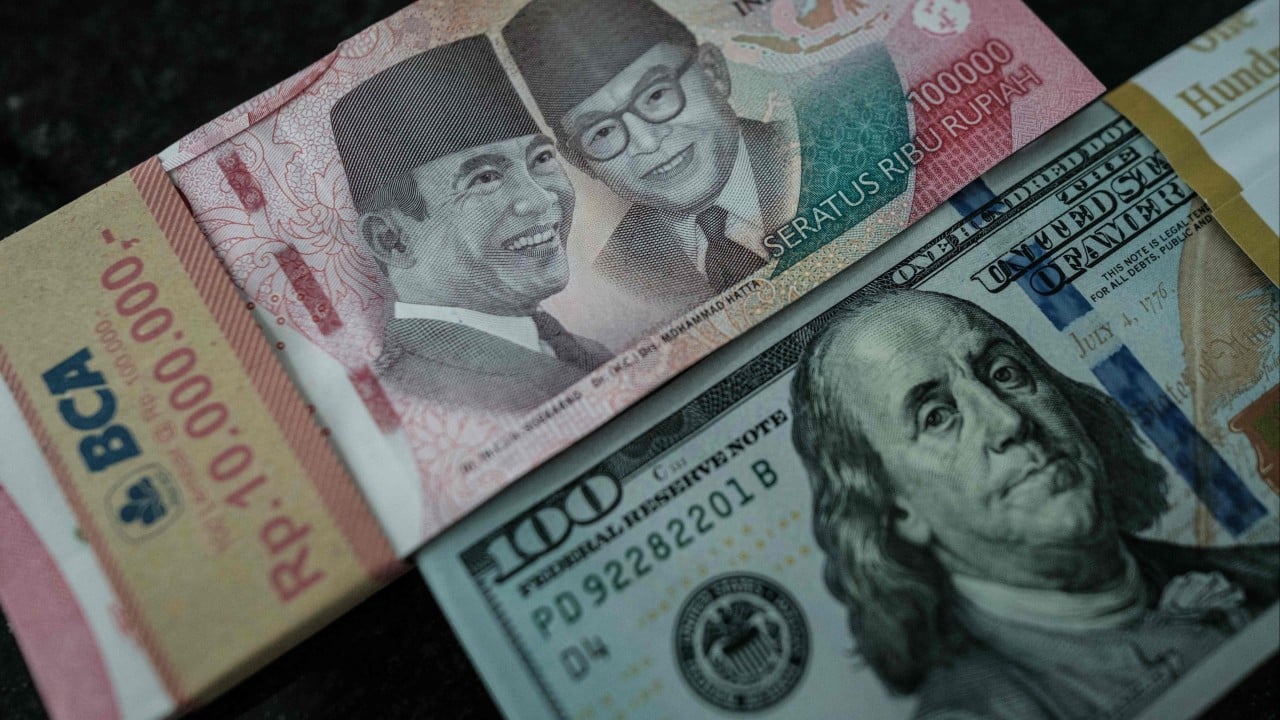
Money moves fast, but keyboard warriors move faster. What started as subtle portfolio rebalancing by global fund managers has exploded into an ugly online turf war between Indonesian and Singaporean retail investors. If you scroll through financial forums or social media feeds lately, you'll see a barrage of contrasting hashtags. On one side, people are shouting to dump Indonesian equities. On the other, a retaliatory crowd calls to boycott businesses linked to the Little Red Dot.
This isn't just internet drama. It's a window into how retail investor psychology, raw nationalism, and macroeconomic shifts collide in Southeast Asia. When global institutional capital shifts weight from Jakarta to Singapore or vice versa, it triggers a chain reaction. Today, that reaction doesn't just stay on Bloomberg terminals. It spills onto TikTok, YouTube, and retail trading apps, altering how everyday people view cross-border investments.
Understanding this digital feud requires looking past the angry comments. You have to look at the cold numbers driving the capital flows and why retail traders are taking financial shifts so personally.
The Real Drivers Behind the Market Rotation
Foreign funds don't buy or sell stocks because of national pride. They do it for yield, risk management, and liquidity. Recently, institutional investors began rotating capital out of emerging growth markets like Jakarta into defensive hubs or high-yielding tech positions elsewhere. This initial spark triggered the hashtag trends. When big funds trim their holdings in Indonesian state-owned banks or blue-chip tech firms, the index drops.
Retail traders in Jakarta didn't take this drop lightly. Instead of viewing it as a standard cyclical rotation, a vocal faction blamed regional financial engineering, often pointing fingers at Singapore as the wealth hub pulling the strings. In response, a wave of digital nationalism emerged, urging locals to back local companies and boycott Singaporean e-commerce platforms and apps.
The math behind these moves is straightforward. When global interest rates fluctuate, capital naturally seeks the path of least resistance. Singapore offers a stable currency, predictable regulatory environments, and acts as the regional headquarters for major tech conglomerates. Indonesia provides massive scale, a young population, and raw resource power. When investors weigh these two environments, they aren't choosing a favorite country. They are balancing growth against security.
Retail Volatility Meets App Boycotts
The dangerous part of this digital feud is how fast a market narrative transforms into consumer action. The internet campaigns quickly escalated from "sell the stock" to "delete the app." Regional e-commerce giants and digital payment providers found themselves caught in the crossfire simply because of where their corporate entities are registered.
Consider how integrated these two economies actually are. Most major Indonesian startups rely on venture capital routed through entities in Singapore. When internet users call for a blanket boycott of Singaporean services, they often end up hurting local logistics workers, merchants, and tech staff operating right in Jakarta. It's a classic case of cutting off your nose to spite your face.
This cross-border friction exposes a deep-seated anxiety among regional retail investors. Many feel that the real financial gains of the regional internet economy are captured offshore, leaving local consumers to provide the revenue while public markets experience sudden capital flight.
How to Protect Your Portfolio from Nationalist Noise
Smart investors don't trade on emotion, and they definitely don't build a financial strategy based on trending hashtags. When markets become battlegrounds for digital proxy wars, it creates massive mispricing that you can exploit.
First, look at the underlying fundamentals of the businesses being targeted. A temporary drop in stock price caused by retail panic or short-term institutional rotation is often a buying opportunity. If a company has cash flow, a dominant market share, and solid management, an angry internet campaign won't destroy its long-term value.
Second, diversify across the geography of Southeast Asia rather than picking a single side. The economic relationship between these nations is symbiotic, not zero-sum. Indonesia needs the financial plumbing and global connectivity that Singapore offers. Singapore needs the vast market size, workforce, and consumer demand of Indonesia. Betting on one to completely destroy the other ignores how regional trade actually works.
To safely navigate this volatile environment, implement these specific tactical steps right away:
Review your regional equity allocation to ensure you aren't overexposed to sectors highly vulnerable to sudden regulatory shifts or intense consumer sentiment. Look closely at consumer tech and banking.
Monitor institutional fund flows rather than social media sentiment. Watch the actual net foreign buy or sell data provided by the Indonesia Stock Exchange and the Singapore Exchange to see where real money is moving.
Focus on companies with strong domestic revenue lines that don't rely heavily on complex cross-border corporate structures that could become targets for tax scrutiny or nationalistic policy changes.
Separate the noise from the signal. The digital noise will eventually fade when the next viral trend takes over, but the structural economic ties between these neighbors will remain firmly in place.