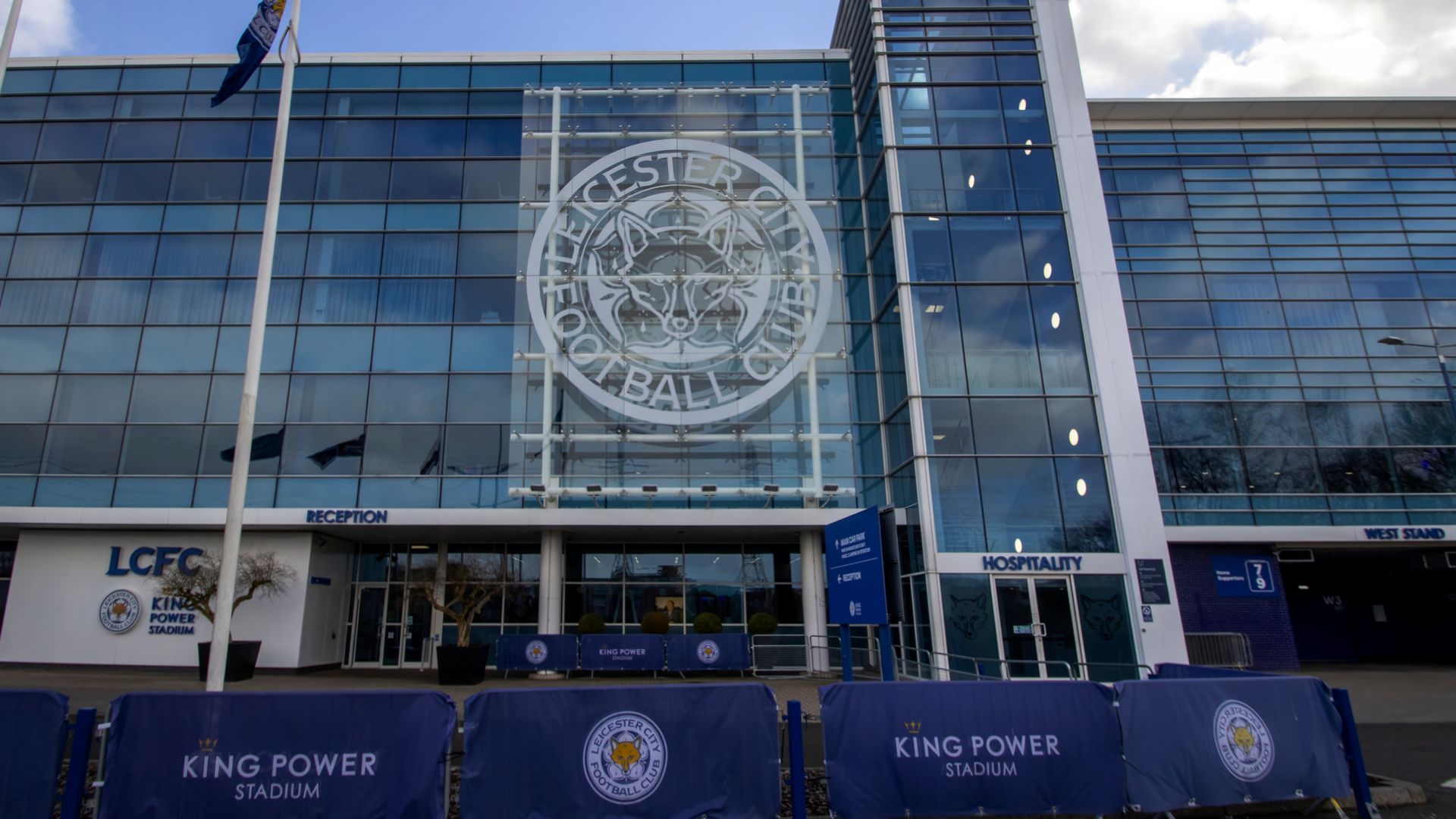
The narrative floating around the King Power Stadium is built on sheer panic. The lazy consensus across sports media claims that Leicester City owners are scrambling to dump the club because parachute payments are drying up, PSR handcuffs are tightening, and the King Power duty-free empire faces headwinds. According to the mainstream playbook, a distressed sale is the only logical exit strategy for a club bleeding cash in a high-stakes football economy.
That assessment is entirely backwards.
Selling a Premier League or recently relegated parachute-era asset right now under duress is not a bailout; it is handing over generational equity at the exact bottom of the market cycle. I have watched sovereign funds and private equity vultures circle distressed sporting assets for a decade, and they do not want to fix your club—they want to harvest your brand equity for pennies on the dollar while you panic.
Let us dismantle the panic.
The Flawed Logic of the Distress Sale
The prevailing media line treats football clubs like failing high street retail chains. If the cash flow dips and the wage bill looks heavy, panic sets in. Cut the losses, cash out, and escape before the EFL administration notices.
This ignores the fundamental economics of modern sports ownership scarcity. There are only twenty clubs in the English top flight at any given moment, and global capital treats them not as operational businesses, but as irreplaceable digital-age media properties with localized monopolies.
When people argue that Leicester must sell immediately to avoid a PSR points deduction or liquidity crisis, they misunderstand how football debt is structured and serviced by ownership groups with diversified international portfolios. King Power is not a corner shop running out of stock. They are a multi-billion-dollar travel retail conglomerate. Treating a temporary sporting relegation cycle as a structural insolvency event is amateur-hour analysis.
The Valuation Trap
Anyone advising the Srivaddhanaprabha family to cash out today is looking at short-term balance sheets rather than long-term asset appreciation. Football club valuations are not tied to quarterly EBITDA. They are tied to media rights inflation, international fan monetization, and the eventual implementation of independent football governance in the UK, which will likely ring-fence domestic clubs against reckless domestic ownership while cementing their baseline floor value.
If you sell during a period of forced regulatory pressure, you become a price-taker, not a price-maker. The buyers circling right now—whether American multi-club conglomerates or opaque Gulf investment vehicles—are banking on your desperation. They want a discount because of a bad window or a temporary wage-to-revenue ratio imbalance.
Taking their lowball offer solves an immediate spreadsheet headache while permanently locking you out of the next wave of sports media monetization.
The Operational Reality Nobody Wants to Admit
Let us be brutally honest about where Leicester went wrong. The rot did not start with the owners' willingness to spend; it started with recruitment bloat and a complete failure to modernize data-driven asset amortization. For years, the club operated on a sentimental model that relied on a golden generation of transfers while failing to build a sustainable player-trading engine underneath.
When you miss on four consecutive transfer windows and overpay for squad depth under the illusion that permanent European qualification is a birthright, you pay the piper.
That is not an argument for selling the club. That is an argument for firing the recruitment leads, restructuring the wage bill, and accepting a transitional season without burning down the institutional infrastructure.
I have seen executive boards panic at the first sign of supporter unrest and hand the keys to private equity funds who promise stability while asset-stripping the stadium naming rights and cutting youth development budgets. That cure is infinitely worse than the disease.
What Real Turnaround Looks Like
If I were advising the boardroom, the playbook is simple, ruthless, and entirely counter to what the pundits are screaming for on television.
First, stop treating player sales as admissions of defeat. Modern football trading requires ruthless liquidity management. You do not sell your soul or your crown jewels; you turn your academy and smart recruitment into an ongoing revolving door that feeds the balance sheet organically without needing cash injections from the parent company.
Second, lean into the regional identity rather than trying to mimic the global commercial sprawl of the traditional "Big Six." Leicester's superpower has never been plastic fans in Mumbai; it has been the hyper-local, anti-establishment fury that brought them a Premier League title against 5,000-to-one odds. Monetize the loyalty of the East Midlands properly through digital-first engagement, rather than panicking over global television viewership metrics.
Third, call the bluff of the regulatory bodies. PSR rules as currently written penalize ambition while protecting historical cartels. Navigating them requires legal and financial sophistication, not a fire sale.
The owners do not need a buyer this week. They need a spine.
If you fold every time the press runs a speculative piece about financial distress, you deserve to get fleeced. Keep the club, fix the operations, and let the panic-mongers scream into the void.