Walk out of Tokyo Station in August, and the air hits you like a wet wool blanket. Concrete radiates trapped heat well past midnight, humidity clings to your skin, and even a five-minute walk to a convenience store leaves you drenched.
Meanwhile, roughly 300 kilometers north in Miyagi Prefecture, people in Sendai are actually enjoying the outdoors.
As Japan deals with consecutive summers of record-shattering temperatures, Sendai has emerged as a standout refuge—officially earning top recognition as Japan’s most comfortable city for beating the summer heat. If you're planning a summer trip to Japan or thinking about relocating away from the oppressive urban heat islands of Kanto and Kansai, Sendai isn't just a cooler alternative. It's a completely different climate experience.
What Makes Sendai Cooler Than Tokyo and Osaka
Most travelers assume you have to fly all the way to Sapporo in Hokkaido to escape Japan’s brutal summer humidity. That’s a massive misconception. While Hokkaido gets plenty of summer tourists, it requires a flight or a long haul on the Shinkansen, and hotel prices surge accordingly.
Sendai sits right in the sweet spot of the Tohoku region. It's only about 90 minutes north of Tokyo on the Tohoku Shinkansen, yet the climate shift is dramatic. During July and August, average daily highs in Sendai hover around 28°C to 29°C (82°F to 84°F). Compare that to Tokyo, Osaka, or Kyoto, where temperatures routinely spike past 35°C (95°F) and stay there for weeks on end.
Geography does the heavy lifting here. Sendai sits between the Ou Mountains to the west and the Pacific Ocean to the east. Cool ocean breezes—known locally as yamase when they blow in from the northeast—regularly sweep across the city during the summer months. These winds act like a natural air conditioner, pushing out stagnant humidity before it can bake into the pavement.
Even better, nights in Sendai actually cool down. In Tokyo, tropical nights (where temperatures never drop below 25°C) have become the norm, forcing residents to run air conditioning 24 hours a day. In Sendai, evening temperatures frequently dip into the low 20s Celsius, making evening walks comfortable rather than exhausting.
The City of Trees Isn't Just a Marketing Slogan
Japanese locals call Sendai Mori no Miyako, which translates to the "City of Trees." Plenty of cities slap nature-themed nicknames on tourism brochures, so it's easy to dismiss this as PR fluff.
Don't. Sendai's urban canopy is functional climate infrastructure.
Following the devastation of World War II, city planners deliberately rebuilt Sendai with wide boulevards lined with dense rows of zelkova trees (keyaki). Streets like Jozenji-dori and Aoba-dori aren't just pretty places to take photos; they form thick green tunnels that block direct sunlight from hitting the asphalt.
If you've ever stood under a dense tree canopy on a sunny day, you know how much cooler it feels. Urban forestry research consistently shows that heavy street-level tree cover reduces ambient surface temperatures by several degrees compared to exposed concrete. By preventing roads and sidewalks from absorbing solar radiation all afternoon, Sendai avoids the worst of the urban heat island effect that turns Shinjuku or Umeda into convection ovens.
And the greenery goes beyond street trees. The Hirose River cuts right through the heart of the city, bordered by parks, walking paths, and open green spaces that allow cool air to circulate freely from the mountains toward the coast.
Why Record Heat Is Changing How People Travel in Japan
For decades, summer was peak season for certain types of domestic travel in Japan, tied closely to school holidays and Obon festivals. Recently, though, extreme heat has turned July and August into a misery index for traditional sightseeing.
Walking around Kyoto’s Fushimi Inari Shrine or waiting in line at Universal Studios Japan in 38°C heat isn't fun—it's a genuine health hazard. The Japan Meteorological Agency has issued record numbers of heatstroke alerts over the past few summers, and emergency hospital transports spike every July and August.
This reality is forcing both domestic travelers and international visitors to rethink their itineraries. Instead of forcing themselves through Tokyo’s concrete jungle in mid-summer, smart travelers are looking north.
Sendai benefits directly from this shift because it gives you big-city conveniences without big-city heat stress. With a population of over one million people, Sendai is the largest city in the Tohoku region. You still get great shopping, high-end dining, reliable public transit, and major events—you just don't have to suffer through heat exhaustion to enjoy them.
What You Can Actually Do in Sendai During Summer
A cooler climate wouldn't matter much if the city were boring. Fortunately, Sendai anchors one of the best summer travel circuits in northern Japan.
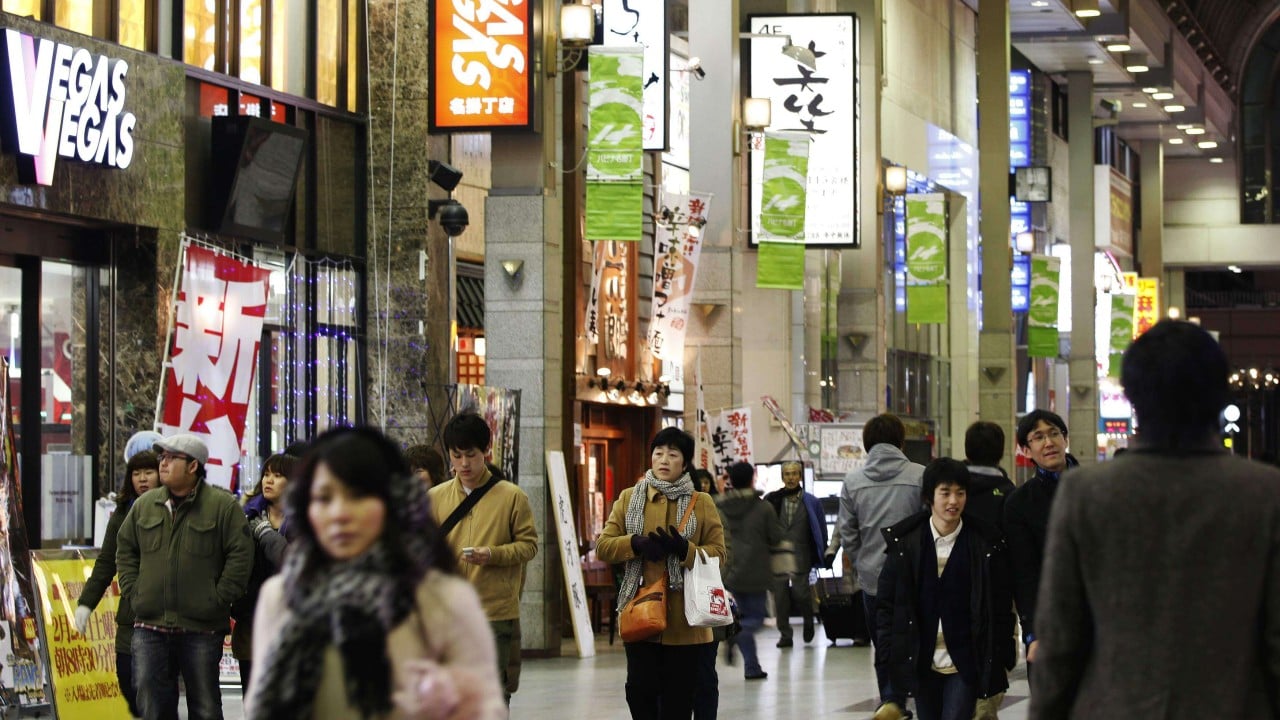
- Sendai Tanabata Festival: Held every year from August 6 to 8, this is one of Tohoku’s three great summer festivals. Thousands of massive, colorful paper streamers hang from bamboo poles along the downtown shopping arcades. Because the main arcades (like Ichibancho and Chuo-dori) are covered and the ambient air is mild, you can actually wander through the displays without feeling like you're melting.
- Matsushima Bay: Located just 40 minutes away by local JR train, Matsushima is famous for its 260 pine-covered islands scattered across the bay. Taking a sightseeing boat across the water on a breezy August afternoon beats sweating through a crowded temple district any day of the week.
- Akiu and Sakunami Onsen: Most people associate hot springs with winter, but soaking in an outdoor rotenburo surrounded by lush green mountain forests in the cool evening air of northern Japan is hard to beat. Both hot spring towns sit within a short bus or train ride from central Sendai.
- Jozenji-dori Evening Strolls: While Tokyoites hide indoors under blasting AC units, Sendai locals gather along the shaded medians of Jozenji-dori for outdoor jazz, craft beer, and street food.
The Food Scene Is Built for Summer Appetites
Extreme heat kills your appetite, especially for heavy, hot meals. Sendai’s local culinary specialties happen to work surprisingly well even in warm weather, and several iconic dishes were practically made for summer.
Start with hiyashi chuka (chilled ramen). Most people don't realize this dish was actually invented in Sendai back in 1937 at a Chinese restaurant called Ryutei. The owner wanted to create a cold noodle dish that customers would actually want to eat during sticky summer months. Today, bowls of cold, chewy noodles topped with julienned cucumber, ham, egg strips, and a tangy soy-vinegar dressing are a nationwide summer staple—and Sendai is ground zero.
Then there's gyutan (grilled beef tongue), Sendai’s undisputed culinary claim to fame. Unlike heavy, greasy yakiniku where you sit over a scorching tabletop grill yourself, classic Sendai gyutan restaurants cook thick-cut, aged beef tongue over charcoal in the kitchen and serve it alongside barley rice, oxtail soup, and pickled vegetables. You get smoky, savory protein without sitting next to an open flame.
Don't skip zunda either. Made from mashed, sweetened edamame beans, zunda paste is served over mochi, blended into cold milkshakes (zunda shake), or layered onto shaved ice (kakigori). A cold zunda shake from Zunda Saryo inside Sendai Station is honestly one of the best warm-weather treats in the country.
Living in Sendai vs Visiting Sendai
When rankings name a city the "most comfortable" in Japan, they aren't just looking at tourist weather. Livability indexes weigh housing costs, commute times, green space access, disaster resilience, and overall climate stability.
From a resident's perspective, Sendai offers a rare balance. Rent and real estate prices are roughly half of what you'd pay in central Tokyo for comparable square footage. Commutes on the Sendai Subway (the Namboku and Tozai lines) are short and rarely reach the soul-crushing crowd levels of the Yamanote or Tozai lines in Tokyo.
That doesn't mean Sendai is immune to climate change. Let's be realistic—global warming affects everywhere. Sendai still experiences hot days in August, and humidity can spike when the Pacific winds die down. You will still need air conditioning in your apartment or hotel room during peak summer weeks.
Winter is the trade-off you have to accept. While Tokyo winters are crisp, dry, and mostly sunny, Sendai gets noticeably colder, with occasional snowfalls and chilly winds blowing down from the mountains. It doesn't get buried under three meters of snow like Aomori or Akita on the Sea of Japan side, because the Ou Mountains block the heaviest winter storm systems, but you will need a proper winter coat from December through March.
How to Plan a Summer Escape to Sendai
If you're convinced that trading Tokyo’s concrete heat for Sendai’s tree-lined breezes makes sense for your next summer trip, timing and logistics are straightforward.
Book your Tohoku Shinkansen tickets (specifically the Hayabusa service) a few weeks ahead if you're traveling during the August Tanabata Festival or the mid-August Obon holiday week, as reserved seats sell out quickly. Use Sendai as your base camp rather than packing and unpacking every night. From Sendai Station, you can easily run day trips to Yamadera Temple in Yamagata (about an hour west by train), Hiraizumi’s historic temples in Iwate (under an hour north), and the coastal islands of Matsushima.
Pack light breathable layers, bring comfortable walking shoes for the tree-lined boulevards, and swap at least three days of your Tokyo or Kyoto summer itinerary for Miyagi Prefecture. Your energy levels—and your sweat glands—will thank you.