The Weight of Memory in a Quiet Room
Silence has a texture. In Paris, on a Tuesday morning, it feels like cold zinc. The sky over the Seine hangs low, bruised with autumn rain, mirroring the heaviness that has settled into the diplomatic corridors of the Quai d'Orsay. Three years. Thirty-six months of fractured sleep, of empty chairs at Shabbat tables, of names spoken in whispers to keep them real.
History is rarely written in the grand halls where treaties are signed. It is written in the sudden intake of breath when a phone rings too late at night. It is written in the dust settling on a pair of shoes left by a doorway in Kibbutz Be'eri, untouched since a morning that shattered the calendar into before and after.
Today, that dust is carried across the sea.
The French Minister for Foreign Affairs stands on soil that feels both ancient and raw. He is here not merely to sign communiqués or shake hands under the glare of camera flashes, but to perform an act that diplomacy often forgets how to do: to bear witness. To look into eyes that have not dried in three years and say,
The Echo That Refuses To Fade Three Years Later
news
The Mediterranean does not care about anniversaries. It laps against the golden stone of Tel Aviv and the rugged shores of the Levant with the same indifferent rhythm, blue and blinding under an autumn sun. But time has a strange texture when measured in grief. Three years. Thirty-six months of empty chairs, of phones that ring into silence, of a collective heartbeat that stuttered on a single morning and has never quite found its proper tempo since.
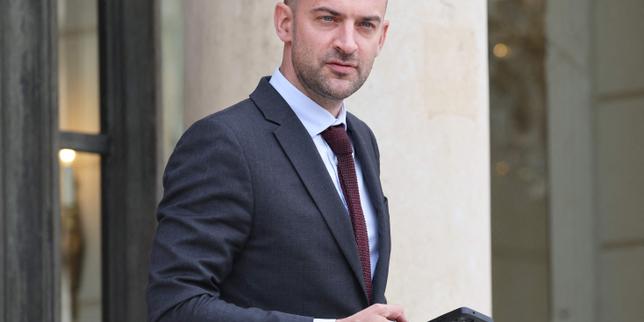
Airplanes cross these skies constantly, silver needles stitching together worlds that feel perpetually on the verge of unraveling. On one such flight sits France’s chief diplomat, looking out the cabin window as the coastline sharpens into view. Jean-Noël Barrot is making the journey not merely as a functionary of state, but as a bearer of a heavy, stubborn currency: memory.
Diplomacy is usually written in the dry ink of communiques, signed with fountain pens across polished mahogany tables in rooms insulated from human cries. It is the language of proportional response, of safe corridors, of carefully calibrated warnings. Yet there are moments when the architecture of international relations must bow to something older and rawer. A nation cannot mourn in code. A community separated by thousands of miles of ocean and history still demands a witness.
Consider what it means to stand where the world fractured.
Three years ago, the calendar stopped for families whose names most of Europe could not pronounce. October 7 became a punctuation mark in human suffering, a dividing line separating a before from an after. Since that day, the smoke has drifted across borders, settling into the lungs of a region already suffocated by generations of accumulated sorrow. Every street corner in this landscape carries a ghost; every park bench holds the invisible weight of someone who was buying coffee or answering a text message just seconds before the sky fell.
When a foreign minister steps onto this tarmac, he carries the gaze of a diaspora looking across the sea, and the conscience of a capital that has lost its own citizens to the violence. French flags flutter in distant Paris squares, but they find their truest resonance here, tangled in the dry heat and the stinging salt air.
There is an art to solidarity when words have been exhausted. What can a politician say to a mother whose son’s boots still sit by the front door, untouched? What comfort can a delegate offer to a community whose sense of foundational safety was detonated on a holiday morning?
Nothing. And everything.
The power of such a visit does not lie in the press releases drafted by tired aides in embassy basements. It lives in the refusal to look away. In a geopolitical arena where alliances shift like desert sand and atrocities risk sinking beneath the gray tide of compassion fatigue, the simple act of showing up is a quiet rebellion. It says: we remember. It says that the distance between Paris and the kibbutzes of the south is bridged by a shared human contract—the belief that the unprovoked slaughter of the innocent leaves a permanent stain on the ledger of civilization.
Walk through these neighborhoods today and you feel the peculiar tension of a society living in high-definition anxiety. People laugh, they argue over politics in outdoor cafes, they push strollers past flower shops. But underneath the ordinary murmur of Mediterranean life runs a low-frequency hum of dread. Everyone knows someone. Everyone carries a fragment of the shrapnel.
When the French minister meets with the survivors and the families of the hostages still trapped in the cruel physics of absence, the conversation transcends bilateral ties. It touches the nerve where politics ends and the human condition begins. How do you negotiate for a heartbeat? How do you urge restraint to a nation nursing raw wounds while simultaneously reminding them of the universal laws that govern our common survival?
It is a tightrope walk over an abyss. To offer unwavering support against terror without surrendering to the dark logic of endless vengeance requires a moral clarity that modern leaders rarely manage to summon. France, with its own deep, aching familiarity with the sudden terror of extremists striking in the dark of concert halls and boulevard cafes, understands the anatomy of this trauma. Paris knows the sound of sirens tearing through a quiet evening. Paris knows the hollow ache that follows when the dead are finally counted and named.
That shared wound is the silent engine behind this journey.
As dusk falls over the Mediterranean, painting the water in bruised shades of violet and amber, the memorials begin. Candles flicker against the gathering dark, small islands of orange light defying the immense blackness. They are lit by hands that shake, by people who have every reason to despair of humanity yet continue to gather, to sing, to demand justice, and above all, to remember.
The statesman stands among them, head bowed, stripped of the armor of protocol. In that quiet space, the flags and the titles dissolve. There is only the wind rustling through the olive trees, the distant pulse of the city, and the enduring, stubborn refusal to let the darkness have the last word.


