The alleyways of Hanoi after midnight do not sleep; they merely change their breathing.
To the casual tourist, the nocturnal city is an orchestra of sizzling woks, clinking glasses, and the low murmur of motorbikes navigating labyrinthine streets. But if you walk the damp concrete paths of the suburbs when the streetlamps hum and cast long, bruised shadows, you hear something else. A frantic scratching against rusted iron. A muffled, desperate yowl swallowed by the damp night air.
Silence. Then the steady purr of an engine fading into the dark.
In these quiet hours, a clandestine economy moves through the shadows. It is an underworld driven by iron cages, motorcycle grips, and a desperate, clandestine trade that has quietly torn at the moral fabric of neighborhoods across Vietnam. Recently, local law enforcement made a rare and violent breakthrough, arresting twelve individuals suspected of operating a sophisticated ring dedicated to snatching neighborhood cats for the meat market. Twelve people. A dozen faces behind cold statistics, representing a much larger, darker machinery that operates just out of sight of the law.
We do not like to look at where our plates come from. It is an uncomfortable bargain we strike with modern existence. But when the creatures we invite into our homes—the silent guardians of our hearths, the midnight companions who curl up against our ribs—are stolen from the porch steps, the social contract fractures.
Consider what happens on an ordinary Tuesday in a working-class district.
Mrs. Lan leaves her front door cracked open to catch the evening breeze. Outside, her aging tabby, a scarred veteran of neighborhood alleyways named Béo, doats on the warm concrete. Within thirty seconds, the world tilts on its axis. A pair of riders on a battered Honda Wave sweep past. A hooked wire plunges into the dark. A sharp yelp, a dull thud against the motorcycle frame, and the bike accelerates into the asphalt mist. Mrs. Lan runs to the threshold, shouting into a void that answers back only with the exhaust fumes of vanishing thieves.
For years, this has been dismissed as an unfortunate hazard of urban pet ownership. Cats wander, people assume. Cats disappear. But the scale of the operation uncovered by police raids reveals an industrial-level nightmare. This is not petty theft for quick pocket change. It is an organized supply chain feeding a subterranean culinary demand that persists despite shifting social norms and tightening regulations.
The twelve suspects arrested in the recent sweep were not operating alone. Police reports detail a chillingly methodical process: scouts patrolling residential alleys during the quiet hours, executioners equipped with specialized snare poles and stun devices, and mid-level brokers who funnel the captured animals to clandestine slaughterhouses on the urban fringe. The numbers recovered during the raids are staggering—dozens of terrified animals crammed into wire mesh cages, stacked three high in suffocating back rooms, awaiting a grim fate that arrives before dawn.
Why cats? The question hangs heavily over the investigation. While dog meat consumption has long faced fierce public debate and international scrutiny across Southeast Asia, the trade in feline meat has historically operated in deeper shadows. Often referred to locally by euphemisms on clandestine menus, it persists driven by superstition, fringe culinary subcultures, and the cheap protein demands of low-margin illicit markets. Some consumers still cling to archaic beliefs regarding the medicinal properties of feline meat during specific lunar cycles, while others simply view it as an inexpensive commodity.
The economics of the trade are brutal. A stolen pet can be snatched from a porch, transported across district lines within the hour, and turned over for cash before
When the Alleyways Go Quiet
news, lifestyle
The morning air in Hanoi usually carries a specific rhythm. The scrape of a heavy wok against a gas burner. The high-pitched chatter of motorbikes navigating labyrinthine lanes. The low, melodic purring of a neighborhood cat stretching across a concrete stoop. But on a Tuesday that felt heavier than most, a different sound echoed through the alleyways.
Sirens. Heavy boots. And then, a profound, unsettling silence.
Twelve people woke up behind locked doors this week, stripped of their freedom, caught in a sweep orchestrated by a local law enforcement team tracking an invisible, thriving underworld. They were not cartel bosses or counterfeiters of currency. They were snatchers. Their targets possessed whiskers, twitching noses, and soft, familiar footsteps that once belonged to someone's backyard.
They were hunting pets.
Consider what happens next when a neighborhood loses its guardians. In many Southeast Asian urban centers, stray cats and neighborhood cats act as the quiet demographic line of defense against the damp, creeping tide of rodents. But over the last decade, an underground economy warped this dynamic. What was once considered an unthinkable taboo in many modern households morphed into a lucrative black market supply chain. Meat is meat, according to the cold calculus of the illegal trade. Profit knows no empathy.
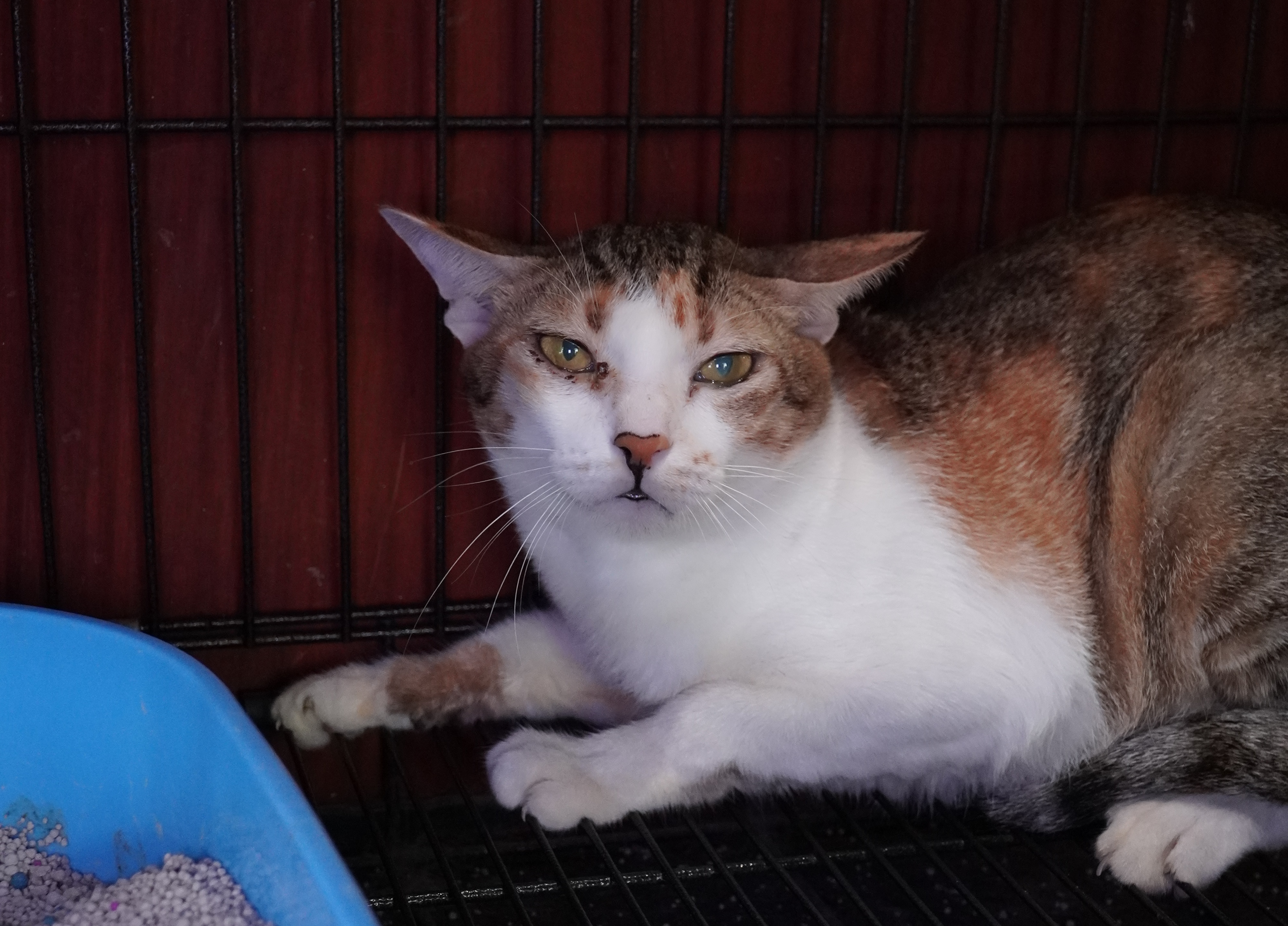
To understand why twelve arrests in a localized police raid matter far beyond the borders of a single district, you have to look into the eyes of a child searching a rain-slicked courtyard for a missing calico.
Scale. It distorts everything. On paper, "Vietnamese police arrest 12 suspected of snatching cats for meat" reads like a dry police blotter statistic. A routine update from a wire service. Move along. Nothing to see here. But behind that headline lies a web of midnight surveillance, motorbikes fitted with crude wire cages, and back-alley slaughterhouses operating under the cover of dense vegetation and industrial noise.
I remember sitting in a sun-baked courtyard in a bustling province years ago, watching an old shopkeeper feed scraps of grilled fish to a scarred orange tabby. He called him Cam. He talked to Cam about the weather, his failing joints, the rising cost of rice. The cat did not answer, but it stayed. That bond is ancient. It predates modern cities. When someone snatches that cat under the cloak of a moonless night, they are not just stealing property worth zero dollars on an open market. They are severing a thread of human warmth.
The underground trade operates with chilling efficiency. Teams move in coordinated pairs before dawn. Armed with specialized pinchers, nets, and spiked poles, they sweep through residential neighborhoods while the city sleeps. Within seconds, a beloved household pet or a sterile community cat vanishes into a hessian sack. Hours later, the animal is processed, stripped, and delivered to specialized restaurants or hidden menus catering to a declining, yet stubbornly persistent, demand for exotic meat.
Public outrage has swelled steadily over the years. Animal welfare activists, once lone voices crying out in digital wildernesses, have organized into fierce grassroots networks. They stake out illegal holding pens. They track license plates. They pressure local authorities until inaction becomes politically impossible. The recent arrests are not born out of sudden bureaucratic enlightenment; they are the direct result of citizens refusing to look away.
Law enforcement faces a distinct labyrinth here. Theft laws in many developing regions historically classified pets as low-value chattel. Stealing a cat was legally equivalent to swiping a plastic lawn chair. Without robust animal protection statutes or strict public health mandates regarding unregulated meat processing, police often found their hands tied. Yet, public health concerns are shifting the tide. Unregulated animal trafficking bypasses every sanitary protocol known to modern veterinary science. Rabies, parasites, and chemical toxins travel easily from a stolen street animal straight to a diner's plate.
The crackdown of those twelve suspects signals a cultural pivot point. It proves that the narrative is shifting from silent acceptance to active resistance.
Yet, arresting a dozen people is like pulling a single weed from an overgrown field. The roots stretch deep into economic desperation and entrenched culinary subcultures. Where there is a buyer willing to pay cash for a taboo meal, a supplier will always find a way to fill the sack. The battle is not merely legal; it is deeply psychological. It requires dismantling the numbness that allows human beings to view a sentient, trusting creature as a mere commodity.
Walk down those same alleyways tonight. The motorbikes have quieted down. The shopkeepers are pulling down their metal corrugated shutters. Somewhere in the shadows, a lone feline paces along a brick wall, pausing to sniff the wind, entirely unaware of how close the edge truly is.
We measure civilization not by the towering height of our glass skyscrapers, but by the tenderness we extend to the smallest, most defenseless lives sharing our space. Until every alleyway is safe for the creatures that roam them, the silence will always feel a little too heavy.