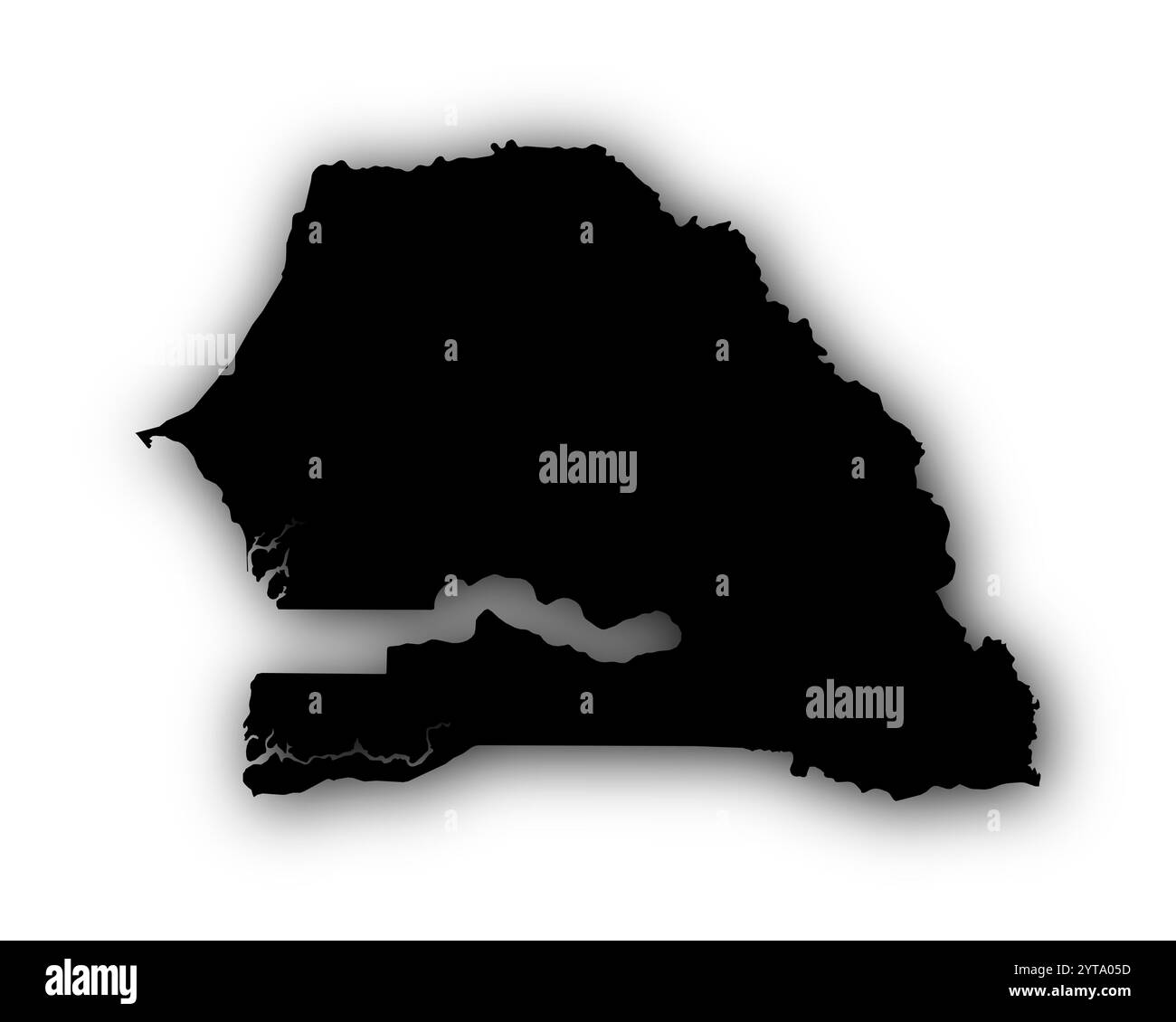
In the bustling clinics of Dakar, the silence is becoming deafening. For decades, Senegal was the gold standard for HIV response in West Africa, maintaining a low prevalence rate through pragmatic public health policies and a unique partnership with community leaders. That legacy is currently disintegrating. A deepening crackdown on the LGBTQ community, fueled by legislative shifts and heightened social surveillance, has transformed medical facilities from sanctuaries into potential traps. Patients are no longer just fighting a virus; they are weighing the risk of life-saving treatment against the risk of life-altering imprisonment.
The math of an epidemic is brutal. When a specific population is pushed into the underground, the virus does not stay there with them. By weaponizing the healthcare system through fear, the state is effectively dismantling the "95-95-95" targets set by UNAIDS—the goal that 95% of people living with HIV know their status, 95% of those diagnosed are on treatment, and 95% of those on treatment achieve viral suppression. In Senegal, the second and third pillars of that strategy are buckling under the weight of political populist maneuvers. Read more on a connected issue: this related article.
The Architecture of Fear in the Waiting Room
The primary driver of the current crisis is not a lack of medication, but a surplus of suspicion. Senegal’s Penal Code already criminalizes "unnatural acts" under Article 676, carrying penalties of up to five years in prison. However, the recent social climate has seen a surge in "community policing," where neighbors, landlords, and even healthcare support staff have begun monitoring the movements of marginalized individuals.
For a man living with HIV who is also part of the LGBTQ community, the simple act of visiting a specialized clinic is now a high-stakes gamble. These clinics, often run by NGOs, are well-known in their neighborhoods. Standing in line or being seen entering the building is often interpreted as an admission of identity. Additional journalism by World Health Organization highlights similar perspectives on this issue.
The consequences are immediate. We are seeing a documented rise in "lost to follow-up" cases. This is the clinical term for patients who simply stop showing up for their antiretroviral therapy (ART). In the world of infectious disease, "lost to follow-up" is a precursor to disaster. Without consistent medication, the viral load in a patient’s blood spikes, their immune system collapses, and the risk of transmitting the virus to others increases exponentially.
The Myth of Neutral Medicine
There is a pervasive belief that the medical profession is insulated from the prevailing political winds. This is a dangerous fallacy. While many doctors and nurses in Senegal remain committed to their Hippocratic Oath, the administrative environment surrounding them has become increasingly hostile.
Data privacy is the first casualty. In an environment where the state actively seeks to identify and prosecute individuals based on their private lives, medical records become a liability. Even if a doctor refuses to cooperate with authorities, the fear that police might raid a clinic or demand a registry of "high-risk" patients is enough to keep people away.
Furthermore, the surge in hostile rhetoric has emboldened some lower-level staff to act as moral arbiters. There are reports of patients being subjected to verbal abuse, invasive questioning, or "moral counseling" before they can access their pills. When the person handing you your life-saving medication is judging your right to exist, the medication itself begins to feel like a tether to a system that hates you.
The High Cost of Political Populism
The hardening of anti-LGBTQ sentiment in Senegal is not happening in a vacuum. It is a calculated political tool. By leaning into conservative social values, political actors can distract from economic frustrations and position themselves as defenders of national tradition against perceived external influences.
However, viruses do not care about national traditions or political optics. The public health cost of this strategy is staggering.
The Economic Impact of Treatment Interruption
| Factor | Consequence | Long-term Result |
|---|---|---|
| Drug Resistance | Intermittent use of ART leads to mutated, resistant strains of HIV. | Higher costs for "second-line" and "third-line" medications. |
| Hospitalizations | Untreated HIV leads to opportunistic infections like Tuberculosis. | Overwhelmed public hospitals and increased mortality. |
| Productivity Loss | A sick workforce cannot contribute to the burgeoning Senegalese economy. | Increased poverty levels for families relying on a single breadwinner. |
When a patient stops treatment, they don't just get sick individually. They become a potential source of drug-resistant HIV. This means that future patients—regardless of their lifestyle or identity—may find that the standard, affordable medications no longer work for them. The state is trading long-term national health security for short-term political points.
Breaking the Referral Chain
The success of Senegal’s previous HIV strategy relied on "peer educators"—members of marginalized communities who worked with the health ministry to reach those most at risk. They were the bridge. Today, those bridges are being burned from both ends.
Peer educators are now targets themselves. Many have gone into hiding or fled to neighboring countries after their homes were attacked or they were outed on social media. Without these intermediaries, the formal health system has lost its eyes and ears in the community. You cannot treat what you cannot find, and you cannot find people who are terrified of being found.
The breakdown of this referral chain means that new infections are going undiagnosed for longer periods. By the time a patient finally presents at a hospital because they are too sick to stay home, the virus has often progressed to advanced stages. This puts an immense strain on emergency rooms and intensive care units that are already struggling with limited resources.
The International Funding Paradox
Senegal relies heavily on international donors, such as The Global Fund and PEPFAR (The U.S. President's Emergency Plan for AIDS Relief), to fund its HIV programs. These organizations have strict human rights requirements and focus heavily on key populations.
The current crackdown creates a diplomatic and financial friction point. If the Senegalese government cannot guarantee that its healthcare system is accessible to everyone without fear of arrest, it risks losing millions in foreign aid. Yet, the government is also under pressure from powerful domestic religious and social groups to further tighten restrictions.
This is a zero-sum game. If the funding is pulled, the entire HIV infrastructure—which serves everyone, including pregnant women and children—could collapse. If the funding stays but the crackdown continues, the money is essentially being poured into a leaky bucket, as the very people the funds are meant to reach are too scared to claim the benefits.
Beyond the Capital: The Rural Crisis
While most reporting focuses on Dakar, the situation in rural areas is even more dire. In smaller towns, anonymity is non-existent. Everyone knows everyone else’s business. In these regions, the "crackdown" isn't just about police raids; it's about social death.
In rural Senegal, being associated with a "gay clinic" can lead to being evicted from your home, fired from your job, or barred from the local mosque or church. For these patients, skipping treatment isn't a choice; it's a survival mechanism. They are choosing to die slowly from a manageable disease rather than face the immediate violence of their community.
The lack of specialized NGOs in rural areas means that patients have to rely on state-run facilities where the risk of exposure is much higher. This geographic disparity is creating a two-tiered epidemic: a visible struggle in the city and a silent, undocumented wave of death in the countryside.
The Mirage of Discreet Care
Some officials argue that as long as the clinics remain open, the state has fulfilled its duty. This is a hollow defense. Healthcare is not merely the presence of a doctor and a bottle of pills; it is the existence of a safe environment in which to access them.
Imagine a scenario where a person has to walk past a police station to get to their pharmacy, knowing there is an active warrant for people "like them." No amount of "discreet" packaging on the medication can mitigate that physical barrier. The criminalization of identity acts as a physical wall between the patient and the pill.
We are seeing a rise in "underground medication networks," where patients try to share their prescriptions or buy black-market antiretrovirals to avoid the clinics. This is incredibly dangerous. HIV treatment requires precise dosages and regular blood work to monitor kidney and liver function. Self-medicating in the dark is a recipe for organ failure and drug resistance.
The False Choice of Security vs. Health
The narrative often pushed by proponents of the crackdown is that they are protecting "traditional family values." This logic fails to account for the reality that the "traditional family" is not immune to HIV. When the state drives marginalized groups away from testing and treatment, it ensures that the virus continues to circulate undetected.
A husband who hides his identity from his family and is too scared to get tested because of the crackdown will eventually pass the virus to his wife. She may then pass it to their child during birth if she isn't also tested and treated. By attacking one segment of society, the state is undermining the health of every household in the country.
The data from other countries that have followed this path—such as Uganda or Russia—is clear. Stigma and criminalization are the best friends a virus has. They provide the cover it needs to spread. Senegal is currently ignoring decades of public health evidence in favor of a populist fervor that will leave a trail of graves in its wake.
The Erosion of the Public Health Vanguard
Senegal's healthcare workers are in an impossible position. Many are seeing their life's work—the suppression of a national epidemic—unravel in real-time. The morale among HIV specialists is at an all-time low. When the state's legal framework contradicts the fundamental goals of public health, the healthcare worker becomes an agent of the state first and a healer second.
This professional erosion has long-term consequences. The best minds in infectious disease may choose to leave the country or move into different specialties where they don't have to navigate this ethical minefield. The "brain drain" triggered by social instability is a hidden cost that will be felt for a generation.
The path forward requires more than just a continuation of current medical programs. It requires a decoupling of healthcare from the police state. If Senegal wants to remain a leader in African health, it must recognize that a virus cannot be prosecuted out of existence. It can only be treated when the person carrying it feels safe enough to step into the light.
Stop looking at this as a debate over social values and start looking at it as a structural failure of the state's duty to protect its citizens. Every day a patient skips their dose because they fear a pair of handcuffs, the virus wins a battle that the healthcare system had already supposedly won.