The Ghost in the Machine
A man walks into a midtown Manhattan hotel. He is young. He is unremarkable. To the average passerby, he is just another face in the sea of blue-light-washed commuters, perhaps a grad student or a digital nomad looking for a quiet corner to work. But he isn't carrying a laptop. He is carrying a ghost—the collective, simmering resentment of a generation that feels the "American Dream" has been sold off to the highest bidder in a boardroom they will never be invited to enter.
When Luigi Mangione was arrested for the killing of UnitedHealthcare CEO Brian Thompson, the air in the room didn't just chill. It fractured. We aren't just looking at a criminal case; we are looking at a mirror. And what we see reflected is a society so deeply broken that it has begun to mistake a tragedy for a triumph. For a deeper dive into this area, we suggest: this related article.
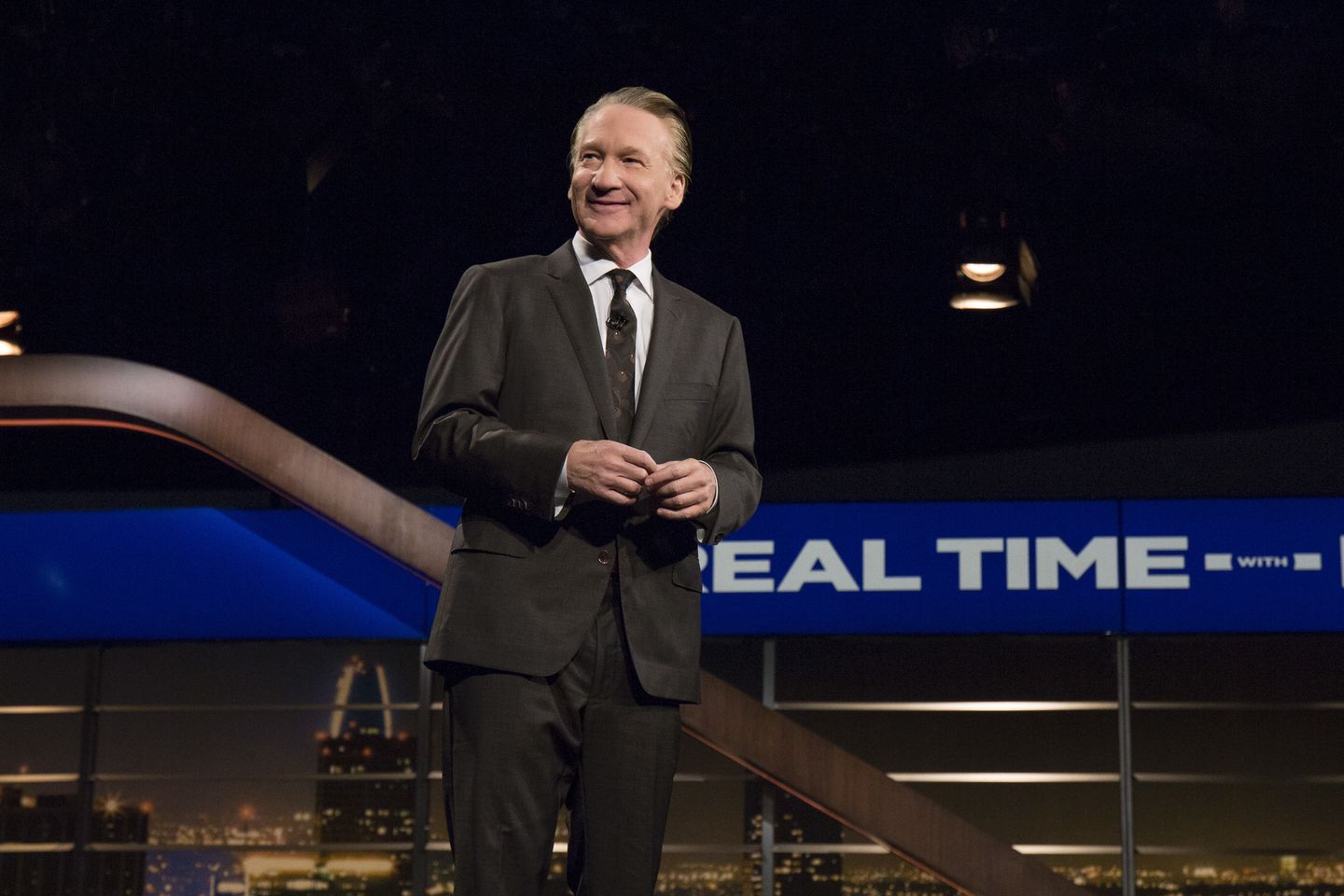
Bill Maher sat on his stage recently, leaning into the microphone with that familiar mix of skepticism and exasperation. He pointed out the jarring cognitive dissonance currently vibrating through the American Left. For years, the rallying cry has been clear: guns are the problem. The AR-15 is the villain. The culture of violence is a sickness. Yet, the moment a trigger was pulled on a corporate executive, a significant portion of that same demographic didn't recoil. They cheered.
The Irony of the New Hero
Politics used to be about predictable boundaries. You knew the script. One side wanted more regulation; the other wanted more freedom. But those lines have blurred into something unrecognizable. Maher’s observation hits a nerve because it exposes a raw, uncomfortable truth: tribalism has become more powerful than principle. For broader context on the matter, comprehensive coverage can be read at Associated Press.
The Left, which has historically stood as the vanguard of gun control and non-violence, found itself in an ideological tailspin. Suddenly, the weapon didn't matter as much as the target. The "good guy with a gun" myth was debunked a thousand times over in the halls of Congress, but on the digital streets of social media, Mangione was being branded as a Robin Hood with a 3D-printed suppressor.
It is a whiplash-inducing shift. Imagine a hypothetical activist—let’s call her Sarah. Sarah spent her weekends marching for gun reform after Uvalde. She posted infographics about the lethality of high-capacity magazines. She argued that no civilized society should celebrate the taking of a life. But then, she sees a headline about a healthcare executive. She thinks about her own rising premiums. She thinks about her father’s denied claim for a life-saving procedure. Suddenly, the "unacceptable violence" she marched against feels like... justice?
It’s a dangerous alchemy. When we start categorizing violence based on the "worthiness" of the victim, we lose the moral high ground we claimed to protect.
The Cost of the Denial
The healthcare industry in America isn't just a business. It’s a labyrinth of anxiety. We have built a system where the primary interaction between a human being and their well-being is a "Denied" stamp. This is the invisible stake. It isn't just about money; it’s about the fundamental right to breathe without being crushed by debt.
Mangione allegedly scrawled manifestos about the "parasitic" nature of the industry. This resonated. It resonated because millions of people feel like they are being eaten alive by a machine that views their survival as a line item to be optimized. The statistics are dry—30 million uninsured, 100 million in medical debt—but the reality is a mother crying in a pharmacy because she can’t afford insulin.
However, the leap from systemic frustration to the lionization of a killer is a chasm that once seemed uncrossable. Maher’s point is that the pendulum hasn't just swung; it has snapped off the chain. By embracing Mangione, a segment of the public is signaling that they have given up on the slow, grinding work of policy and reform. They are opting for the catharsis of the "great equalizer."
The Ghost of the 1970s
This isn't the first time we’ve danced with this particular devil. Look back at the 1970s, at groups like the Weather Underground or the Red Army Faction. These were movements born of genuine grievances—the Vietnam War, imperialism, systemic inequality. But they crossed the line into revolutionary violence, and in doing so, they alienated the very public they claimed to represent. They became the monsters they were fighting.
The difference today is the speed. In 1974, a manifesto took weeks to circulate. In 2024, it takes seconds. The "Mangione as Folk Hero" meme was born before the crime scene tape was even dry.
This brings us to the core of the problem: the erosion of the "universal value." If we believe that human life is sacred, it has to be sacred across the board. You can’t hold a candlelight vigil for victims of gun violence on Tuesday and then post "Eat the Rich" memes featuring a sniper scope on Wednesday. That isn't a political stance. It’s a moral collapse.
The Invisible Stakes of Our Empathy
We are living in an era of "justified" cruelty. We see it in the way we talk to each other online, and now we are seeing it in the way we react to blood in the streets. When we celebrate the death of a "villain," we aren't just hurting the victim’s family. We are eroding our own capacity for empathy. We are training ourselves to see people as archetypes rather than humans.
Brian Thompson was a CEO. He was also a father. He was a son. To ignore that human reality in favor of a political narrative is the exact same dehumanization that corporate machines are accused of practicing. We are fighting coldness with more coldness. We are trying to fix a heartless system by becoming heartless ourselves.
Maher’s critique isn't just a "both sides" argument. It is a warning. He is pointing out that if the Left abandons its commitment to non-violence and the rule of law because the target is someone they dislike, they lose the right to complain when the other side does the same. It is a race to the bottom where the only winner is the funeral director.
The Narrative We Choose
Consider the hypothetical choice we all face every morning when we open our phones. We can choose to engage with the world as it is—complex, frustrating, and in desperate need of systemic overhaul. Or we can choose to engage with the world as a movie, where there are "bad guys" who need to be eliminated and "anti-heroes" who do the dirty work.
The movie version is easier. It provides a rush. It gives a sense of agency to the powerless. But movies end. In the real world, the "anti-hero" goes to a maximum-security prison, the CEO is replaced by another executive who will follow the same corporate mandates, and the healthcare system remains exactly as broken as it was the day before.
Nothing changed for the woman at the pharmacy. Her insulin didn't get cheaper because of a shooting in Manhattan. If anything, the conversation shifted away from her struggle and toward a polarized debate about domestic terrorism and radicalization. The violence didn't solve the problem; it hijacked the movement.
The Echo in the Chamber
The loudest voices are currently drowning out the quiet, essential ones. The nuance is being burned for fuel. We are told that we must either be a "corporate shill" or a "revolutionary sympathizer." There is no room for the person who hates the healthcare system but also hates that a man was hunted down in the street.
But that middle ground is where the actual work happens. It’s where the policy is written. It’s where the coalitions are built. It’s the boring, un-memable space of compromise and persistence.
We are at a crossroads of identity. If the "progressive" movement becomes a mirror image of the reactionary violence it claims to oppose, then the movement is dead. It has become a hollow shell, a different brand of the same anger. Maher’s observation wasn't just a comedic riff; it was an autopsy of a disappearing ideal.
The Man in the blue-light-washed street is still there. He’s still angry. He’s still waiting for a reason to believe that the system can be fixed without a weapon. We owe him a better answer than a meme of a killer. We owe him a path that doesn't require us to lose our souls just to save our bodies.
The pendulum is swinging. It is sharp. It is heavy. And if we don't find a way to catch it, it will eventually swing back for all of us.



