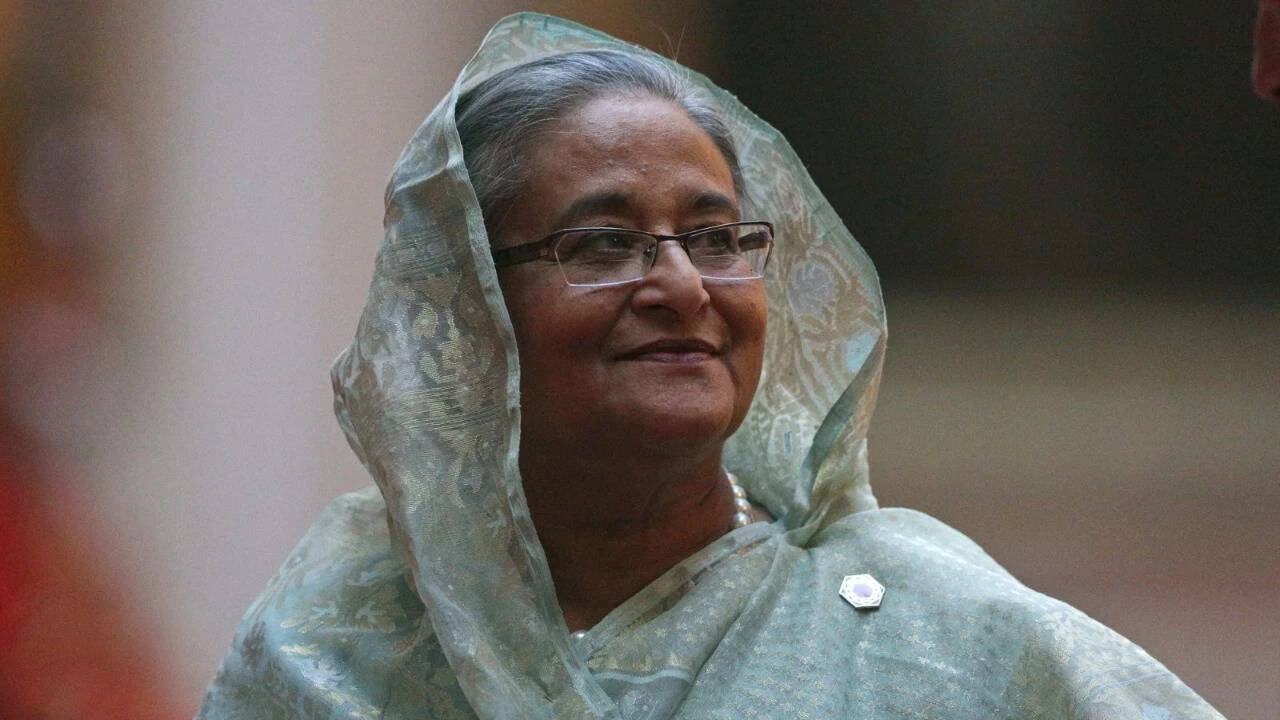
Diplomatic standoffs rarely resolve cleanly, and the ongoing dispute between Dhaka and New Delhi over ousted Prime Minister Sheikh Hasina is a masterclass in regional tension. When former Indian High Commissioner statements clarified that there was no rigid timeline or immediate deadline for her departure from India, it laid bare the complicated reality governing bilateral ties.
Hasina has remained in India since fleeing the massive student-led uprisings in August 2024. Tried in absentia and facing severe legal judgments—including a death sentence handed down by a domestic tribunal—her legal standing is a lightning rod. While Dhaka's current leadership insists on pushing for her formal extradition under existing bilateral frameworks, New Delhi continues to balance legal reviews, security concerns, and larger geopolitical equities.
Untangling the Extradition Reality
The core friction point revolves around how both nations interpret the bilateral extradition treaty. Dhaka maintains that the legal path is straightforward. Officials argue that formal requests have been submitted, and convicted individuals—regardless of their political past—should be handed over to face domestic courts.
Yet, international law and political expedience rarely align so neatly. India faces a delicate burden. Hosting a high-profile exiled leader who served as a long-term head of government creates acute diplomatic friction with Dhaka's elected administration under Prime Minister Tarique Rahman. At the same time, turning her out abruptly or ignoring due legal process carries its own set of regional repercussions.
Recent friction spiked further when Hasina sought a passport renewal through the Bangladesh High Commission in New Delhi. Dhaka officials responded by emphasizing that holding citizenship doesn't automatically guarantee travel document issuance to individuals facing major criminal convictions. This paper chase has turned into a high-stakes chess match, keeping the timeline for any physical relocation entirely unpredictable.
The Broader Bilateral Stakes
Many casual observers reduce the entire diplomatic relationship between India and Bangladesh to the single question of Hasina's residency. That is a mistake. Trade routes, security cooperation, water-sharing treaties, and border stability affect millions of citizens on both sides of the frontier.
State officials in Dhaka have occasionally linked high-level diplomatic visits and executive travel to progress on the extradition file. Yet, statements from foreign ministry representatives routinely stress that institutional relationships must endure beyond any single political figure.
As winter approaches and rhetoric intensifies around potential dates for her homecoming, the situation remains fluid. Hasina has publicly signaled her desire to return, framing it as a personal choice regardless of the risks. Whether that intention translates into an actual transfer depends entirely on behind-the-scenes legal maneuvering and how far both governments are willing to compromise.
The lack of a concrete deadline isn't just an administrative delay. It is a symptom of a deeper regional realignment that will take months, if not years, to fully settle. Watch how the legal reviews unfold in New Delhi and how Dhaka's administration responds to ongoing diplomatic channels. That interaction will write the next chapter of this ongoing crisis.