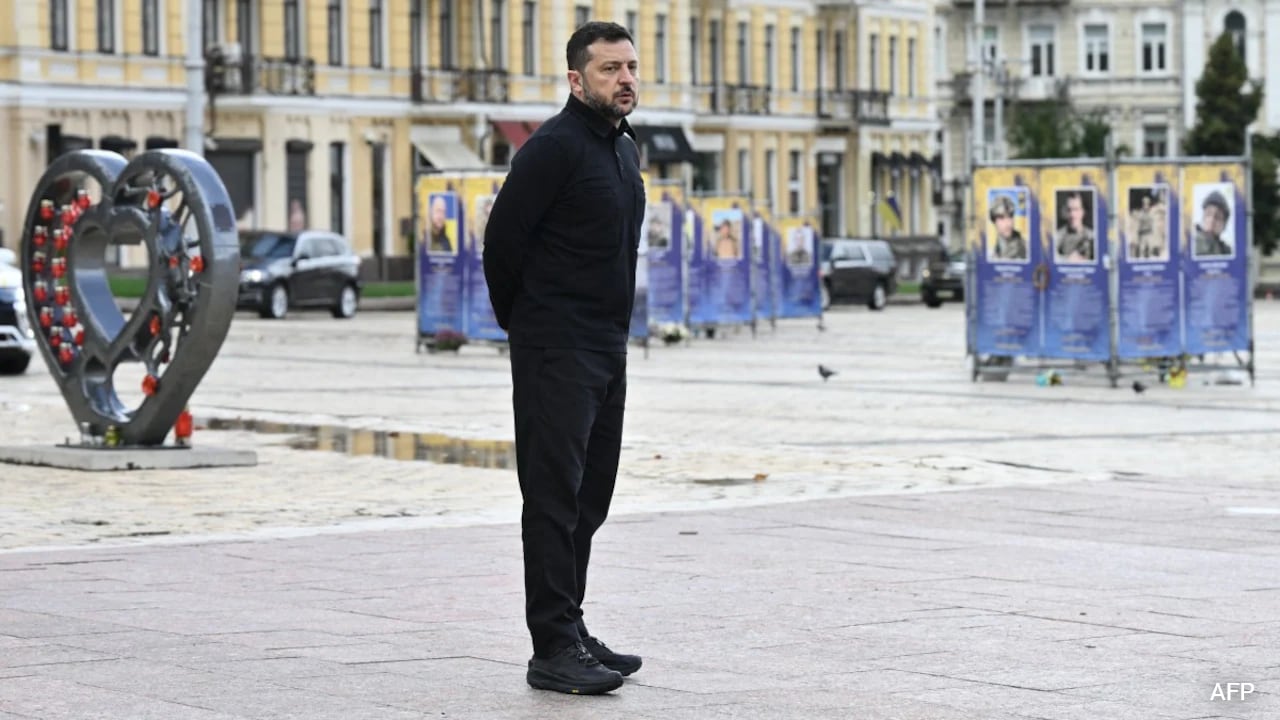
The conversation around the war in Eastern Europe is shifting. When Ukrainian President Volodymyr Zelenskyy publicly stated that Kyiv is ready to explore concrete de-escalatory steps, it marked a distinct pivot from years of absolute battlefield rhetoric. But talk of peace requires looking past the headlines to examine the underlying mechanics, shifting diplomatic channels, and the hard realities driving both sides toward potential talks.
You need to understand why this moment is different. For a long time, diplomatic tracks were frozen solid. Moscow held firm on maximalist demands regarding territorial surrender and military caps, while Kyiv insisted on complete restoration of its 1991 borders before any dialogue could begin. Recently, however, intense diplomatic engagements—including trilateral discussions hosted in the United Arab Emirates involving American, Ukrainian, and Russian representatives—have introduced a different rhythm to the conflict. Don't forget to check out our previous article on this related article.
The Pressure Points Behind the Shift
Why are de-escalation steps being discussed now? Simple math and exhaustion.
The nature of the war has evolved. Long-range drone technology and precision strikes mean the economic and infrastructural cost is no longer isolated to the defender. Russia's internal manufacturing hubs, energy grids, and logistics chains face regular disruptions. At the same time, Ukraine continues to weather brutal winter preparations, targeted infrastructure attacks, and immense personnel strain. If you want more about the context here, Associated Press provides an in-depth breakdown.
Both leaderships recognize that a purely military solution has become an attrition trap. When Zelenskyy points out that aggression must carry a price for the attacker as well, he is signaling that Ukraine's asymmetric defense capabilities have raised the cost of occupation high enough to force a serious conversation.
What De-Escalation Actually Looks on the Ground
De-escalation isn't a signed peace treaty overnight. Realistically, it starts with mechanical, confidence-building measures.
- Freezing Conflict Lines: Discussions center heavily on stabilizing current positions along the active front lines to stop the daily accumulation of casualties.
- Humanitarian Prioritization: Large-scale prisoner exchanges remain one of the few functional areas where direct agreement is achievable.
- Infrastructure Protections: Mutual restraint on targeting energy grids and critical municipal infrastructure ahead of harsh winter months is a primary focal point for international mediators.
Yet, major stumbling blocks remain entirely unresolved. Ukraine flatly rejects any legal recognition of annexed territories or forced neutrality that strips away its sovereign right to choose security alliances. Meanwhile, Moscow continues to demand sweeping concessions that Kyiv views as total capitulation. Bridging that chasm requires Washington and European partners to provide ironclad security guarantees that make any future agreement stick.
The Real Test of Diplomacy
The danger right now isn't a lack of willingness to talk; it's the illusion that a quick fix exists. True diplomatic progress depends entirely on whether Washington can convince Moscow that prolonging the offensive will no longer yield territorial gains. Until that calculation shifts permanently inside the Kremlin, de-escalation steps will remain fragile exercises in crisis management rather than a definitive end to the war.
Watch the outcomes of ongoing talks in the UAE and the coordination between European capitals and American envoys. That is where the actual architecture of a future settlement is being tested.


