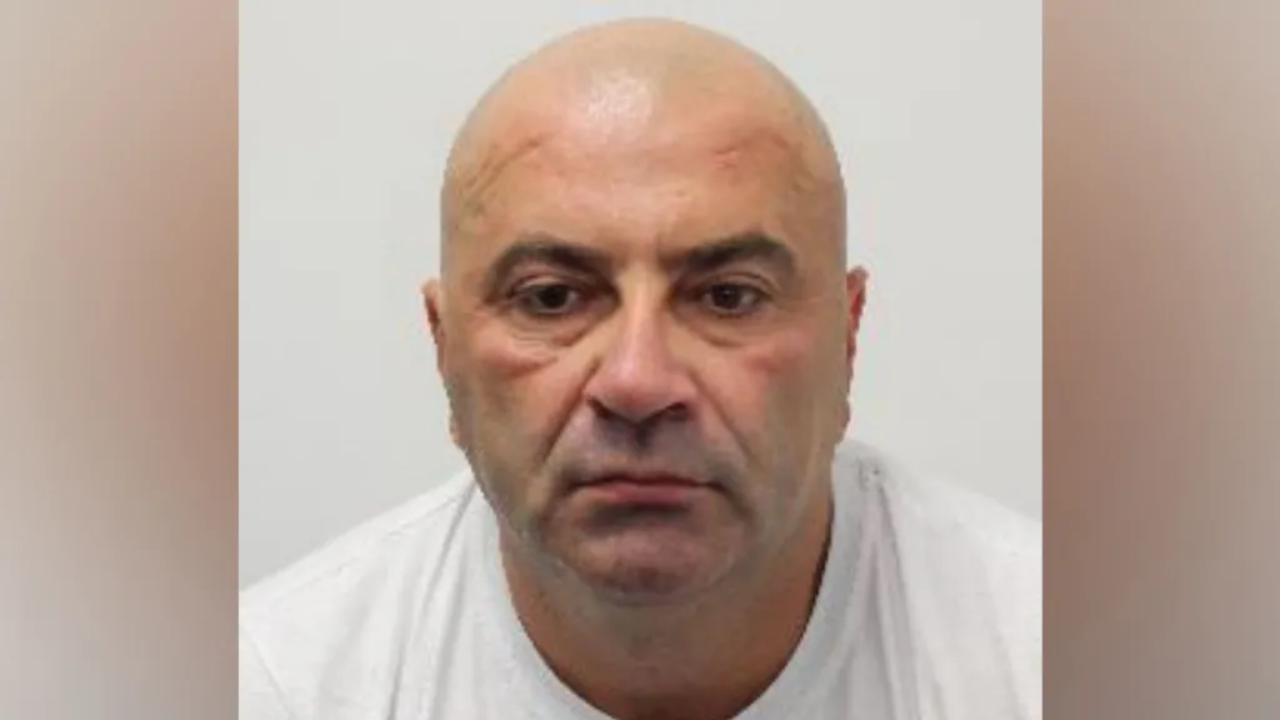
Imagine being locked in a remand cell, awaiting trial for a brutal, knifepoint sexual assault. You know the evidence against you is massive. You know your previous legal team couldn't even secure bail despite offering an 80,000 pound surety. Then, out of nowhere, a guard walks up, unlocks your door, and tells you that you're free to go.
That's exactly what happened to Bernadin Dedic at HMP Wormwood Scrubs.
Instead of waiting around for someone to notice the massive bureaucratic blunder, the 48-year-old businessman immediately headed for the nearest international transport. Within hours, he was sitting on a Eurostar train, crossing the English Channel, and heading straight to Bosnia. Now, a London jury has convicted him on nine horrific counts in his absence, while Dedic relaxes thousands of miles away, mocking the British justice system from afar.
It sounds like a plot from a cheap crime thriller. Unfortunately, it's the reality of a fractured, digitised court system that fails the very victims it's supposed to protect.
The Disastrous Digital Typo That Freed a Monster
To understand how a dangerous man walked out of a high-security London prison, you have to look at the paperwork. On February 6, a routine hearing took place at Isleworth Crown Court. Dedic was remanded in custody, facing a mountain of charges including four counts of rape, two counts of sexual assault by penetration, and making threats to kill.
But a court official made a catastrophic error.
While updating the digital case records, the staff member mixed up the files. They accidentally recorded that Dedic had been granted bail. That digital notification flew through the network straight to the administration team at Wormwood Scrubs.
Dedic claims he told the guards it was a mistake. He says he even asked to stay the weekend because he knew his bail applications had been rejected repeatedly. According to him, the prison staff simply pushed him out the door. Whether you believe his sudden burst of honesty or not, the result was the same. He was out.
The Metropolitan Police had already seized his British passport during the initial rape investigation. But the system forgot one crucial thing. Dedic is a dual citizen. He walked out of prison, pulled out his Bosnian passport, bought a Eurostar ticket, and vanished before anyone realised the digital file was wrong.
A Brutal Attack and a Shameless Disappearing Act
The crimes Dedic committed weren't minor offences. The details revealed during his trial at Isleworth Crown Court paint a picture of a terrifyingly violent individual.
After separating from his partner, Dedic consumed a volatile mix of red wine and cocaine at his home in Ealing, west London. When the victim was downstairs, she turned around to find Dedic standing by the staircase, holding a red-handled oriental kitchen knife. He grabbed her, explicitly telling her that he would kill her and then kill himself, warning her that no one would hear her screams.
During the ordeal, he used the knife to cut off her clothes. The jury eventually found him guilty of nine separate counts, including threatening a person with an offensive weapon in a private place and forcing a person to engage in sexual activity without consent.
Yet, while the victim had to relive this trauma in court, Dedic was nowhere to be found.
From his safe haven in Sarajevo, Dedic launched a series of increasingly absurd excuses to delay the legal proceedings. First, he claimed he couldn't return to the UK because of visa difficulties. When a senior judge, police officers, and Border Force agents actively tried to coordinate his travel back to London for a scheduled trial in March, Dedic suddenly developed a knee injury. He claimed he hurt it in a skiing accident.
Judge Martin Edmunds KC reluctantly delayed the trial until June to allow him to recover. When June arrived, Dedic pulled another excuse out of the hat, claiming he suffered a sudden heart attack in Bosnia.
Judge Hannah Duncan, who presided over the final stages, didn't buy it for a second. She called his actions exactly what they were: an blatant attempt to obstruct, manipulate, and avoid justice. When asked directly by journalists if he ever plans to return to Britain to face his sentencing, Dedic gave a simple, one-word answer.
"No."
The True Cost of an Administrative Meltdown
This isn't an isolated incident of a bad day at the office. It points to a deep-rooted, structural failure within the modern British legal infrastructure. When the government moved away from physical, verified paperwork to fully integrated digital case management, the promise was efficiency. The reality is that a single wrong click by a tired administrator can bypass every single physical security check in a prison.
The HM Courts and Tribunals Service launched an immediate investigation into the incident. They expressed deep regret over the distress caused to the victim. But apologies don't fix the reality that a convicted rapist is now a free man abroad. Even the government has openly admitted that errors like this expose systemic vulnerabilities across a broken justice system.
What makes this case truly infuriating is the lack of communication between agencies. Why was a high-risk prisoner with a foreign passport allowed to board an international train within hours of an accidental release? Why wasn't his secondary passport flagged on a watch list?
The UK authorities now face the incredibly complex task of trying to extradite Dedic from Bosnia. Because he holds Bosnian citizenship, the legal battle to bring him back to a British jail cell will be long, expensive, and filled with political hurdles.
If you want to track how these system failures happen, keep a close eye on the upcoming HMCTS investigation reports. True safety doesn't come from higher prison walls. It comes from fixing the digital back-end errors that let the worst offenders walk right out the front door.