The Distance Between Here and There
Water has a long memory, and in Nepal, it always remembers the mountains.
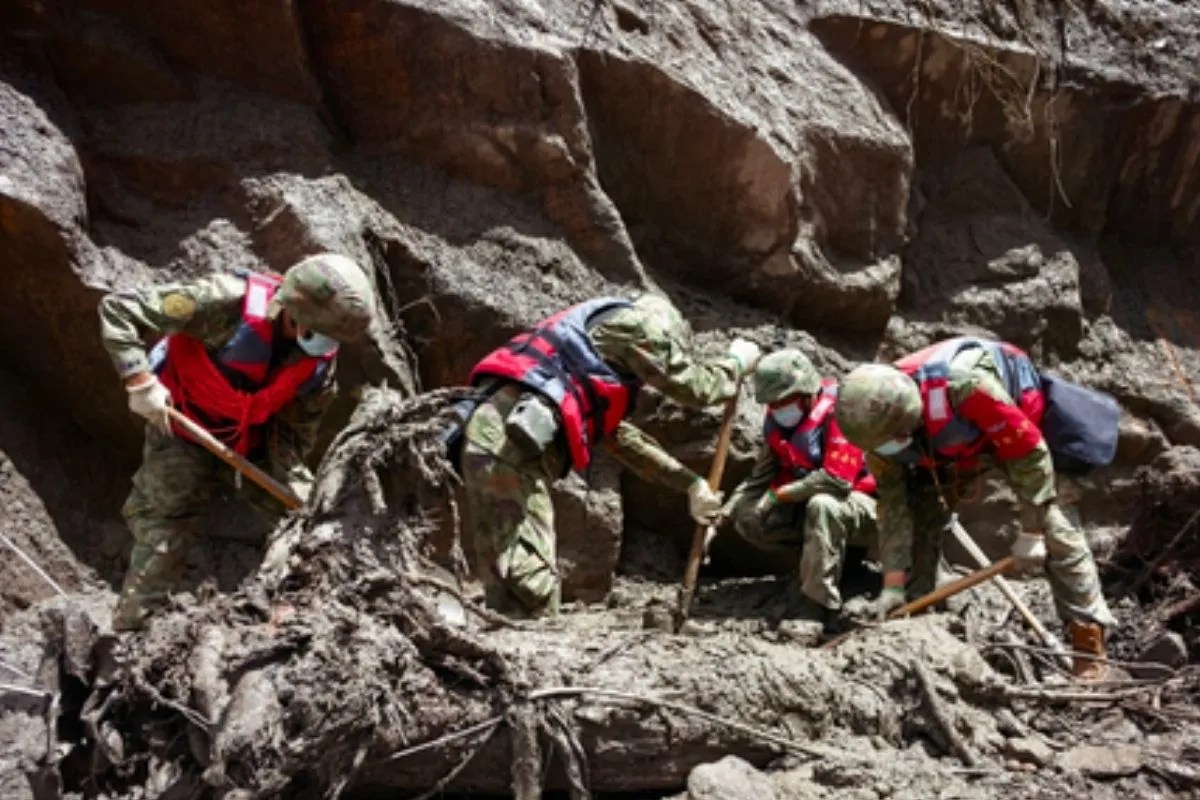
When the monsoon swells, it does not merely rain; the sky descends. Rivers that are docile threads of slate and silver for nine months of the year transform overnight into roaring, opaque walls of mud, stone, and uprooted timber. They chew at the edges of valleys, swallowing footbridges, eating away at highways, and slicing communities into isolated islands of survival.
In Kathmandu, the capital hums with a nervous, insulated energy. Traffic horns blare through the exhaust-choked air. Markets trade in vegetables and gossip. For most residents, the monsoon is an inconvenience of wet shoes and muddy gutters. But look toward the edges of the map. Look toward Trishuli.
There, the river is not a view from a café. It is an ultimatum.
Communication lines go dark first. Then the power. Finally, the physical connection to the outside world snaps as a suspension bridge sways, groans, and surrenders to the current.
Imagine a standard Tuesday in the capital. Now, strip away the certainty of a phone call.
That was the reality facing a Kathmandu family when news of the Trishuli floods trickled through fragmented radio broadcasts and desperate social media whispers. A village cut off. Roads blocked by massive landslides. Bridges washed downstream. And inside that silence, family members.
We talk about natural disasters in numbers. We tally the displaced, the missing, the millions in infrastructure damage. We consume these figures with our morning coffee and scroll past them to get to the weather forecast. But numbers are cold armor. They protect us from the unbearable weight of a single, unanswered phone call.
When the Line Goes Dead
Distance in the hills of Nepal is measured not in miles, but in breath and terrain.
To understand what happened along the Trishuli River, you have to understand the geography of isolation. When a landslide buries the winding mountain roads, the journey from Kathmandu changes from a routine drive into an expedition of uncertainty.
The family in our story—let us call them the Sharmas, though their exact faces belong to dozens of households navigating the same grief—did not wait for official clearance. Official clearance takes days. Bureaucracy moves slowly; floodwaters do not.
They packed a single bag. Bottled water, dry snacks, cash for bribes or boatmen, and spare shoes. They climbed into a vehicle, driven by a mixture of fierce love and paralyzing dread.
As they drove north, the landscape shifted. The green hills grew bruised and battered. Fresh scars of earth, raw and red, marked where mountainsides had let go under the relentless rain. Every few miles, the road simply stopped.
Blocked. Impassable.
This is the psychological toll of a modern disaster. We are accustomed to seamless connection. We expect real-time updates, GPS tracking, and instant reassurance. When that infrastructure vanishes, time bends. Hours stretch into days. Every bend in the road hides a new obstacle.
"We just need to know," the father said, staring at a wall of wet mud that blocked the highway. His voice was too quiet, the voice of a man holding his breath.
Around them, other travelers gathered. Drivers smoking in silence. Local merchants assessing the economic ruin. A collective, anxious hum hung in the damp air. No one knew when the road would clear. No one knew if the bridge across the Trishuli was still standing.
The Edge of the Torrent
Walking is the only option when wheels fail.
They left the vehicle behind, joining a small procession of locals and desperate relatives heading toward the disaster zone on foot. The path was treacherous. Loose shale slid beneath their boots with every step. The roar of the Trishuli grew louder, a deep, concussive vibration that you feel in your chest before you hear it with your ears.
When they finally reached the riverbank, the scale of the disruption came into sharp focus.
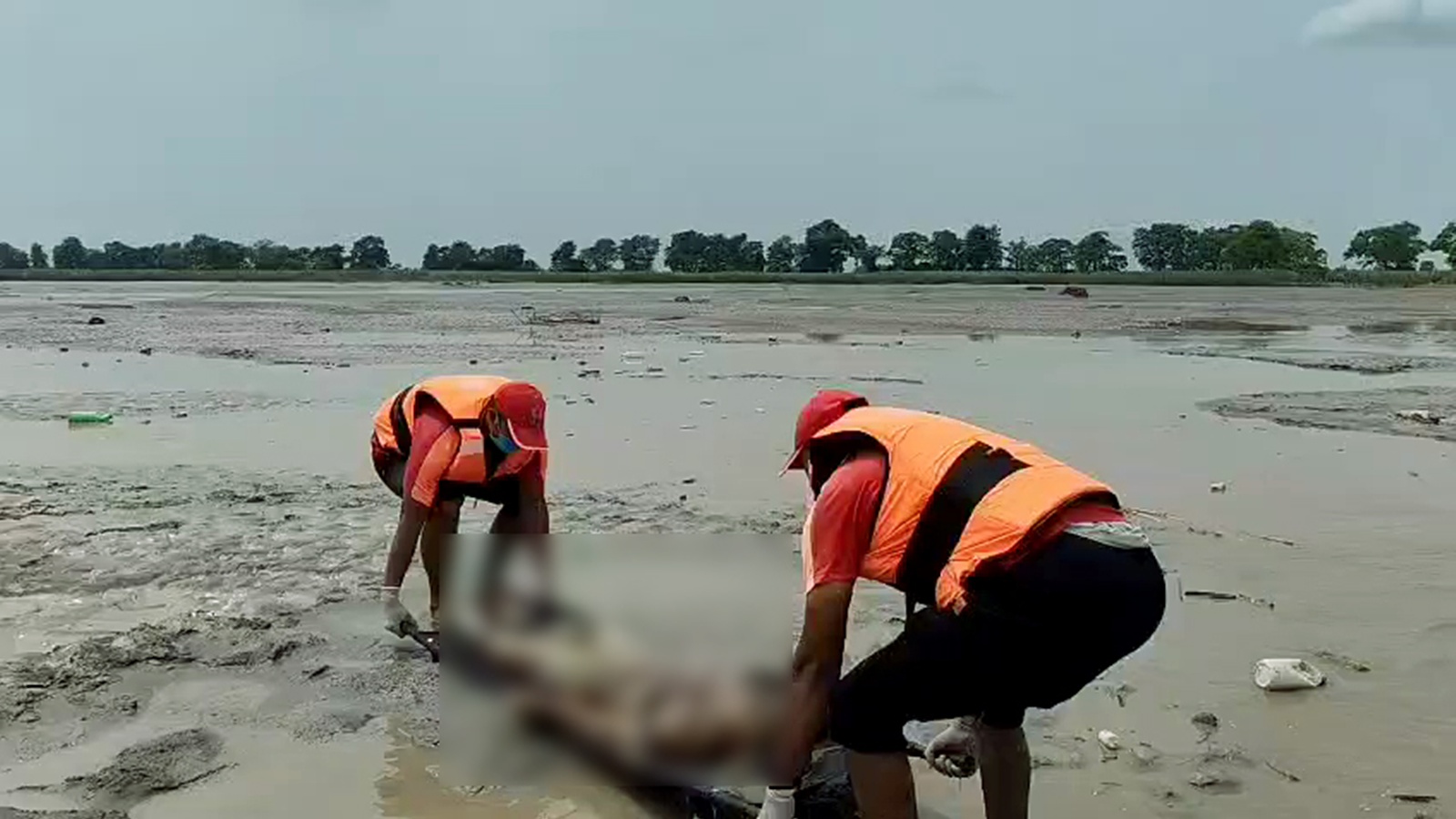
The river was monstrous. It carried entire trees, spinning them like toothpicks before swallowing them in the chocolate-brown froth. Where a sturdy suspension bridge had connected the village to the main trading route, only tangled steel cables swung emptily in the wind. The deck was gone.
Across that roaring gap lay the cut-off village. Houses huddled together on the slope, looking deceptively calm from a distance, yet utterly stranded.
People on both sides of the river stared at each other. Shouting was useless against the thunder of the water. Hands were raised in desperate, silent gestures. Are you alive? Is everyone safe?
This is where the human spirit reveals its rawest edges. Without rescue helicopters or heavy machinery immediately available, communities improvise. Local youth networks, volunteers, and relatives become the first responders. They rig makeshift ropes. They test the limits of what is possible against a backdrop of overwhelming force.
The family did not cross that day. The water was too violent, the risk too absolute. But they stood on the bank, locking eyes with an elderly uncle who had walked down to the opposite shore just to show his face, to prove that he was breathing.
Sometimes, survival is just that. A visual confirmation across a chasm.
The Cost of Fragile Lines
We live in an era that worships connectivity. We build smart cities and rely on digital pulses to govern our lives. Yet, a single monsoon season in the Himalayas strips away the illusion of permanence.
The Trishuli floods are not isolated anomalies. They are part of a recurring, brutal cycle amplified by shifting climate patterns, unplanned road construction that destabilizes fragile mountain slopes, and the sheer, unforgiving topography of the young, restless Himalayan range.
When a village is cut off, the immediate crisis is survival—food, clean water, medical aid. But the secondary crisis is psychological. It is the agony of the unknown.
For the Sharma family, the journey back to Kathmandu was heavy with a silence that words could not touch. They had not hugged their relatives. They had not brought them back to the safety of the city. They had only seen them across a watery barrier, a brief glimpse of life persisting against impossible odds.
Yet, in that glimpse, there was a profound anchor.
They knew the village was standing. They knew who had survived the first terrifying night. And as they drove back through the healing, rain-washed valleys, they carried a truth that no statistic could capture: resilience is not a policy or a piece of infrastructure.
Resilience is a family standing on a muddy riverbank, refusing to look away until they know the people they love are still there.
The river continues to flow toward the plains. The road crews will eventually clear the landslides. The bridges will be rebuilt, cable by heavy cable. But the memory of the water's roar remains, echoing in the quiet spaces between heartbeats, a reminder of how fragile our tether to one another truly is, and how far we will walk to mend it.