Google leadership has officially abandoned the pretense of being a neutral platform in favor of becoming a primary engine for American military dominance. Internal reports and executive statements confirm that the search giant is doubling down on its partnership with the Department of Defense under the Trump administration, despite a fierce and growing rebellion from its own engineers. This shift represents more than just a new contract; it is a fundamental rewrite of the company's DNA that prioritizes federal procurement revenue over the ethical guardrails that once defined the Mountain View campus.
The tension reached a boiling point when employees questioned the company's involvement in advanced drone targeting and AI-driven warfare. Instead of the typical corporate platitudes or town hall debates, leadership offered a blunt defense of their "pride" in supporting the Pentagon. This isn't a misunderstanding. It is a calculated pivot toward the lucrative military-industrial complex.
The Death of Don't Be Evil
For decades, Google cultivated an image of a playground for geniuses who were too smart for the grimy world of defense contracting. That image is dead. The "Don't Be Evil" mantra was removed from the preface of the company's code of conduct years ago, but its ghost lingered in the hallways. That ghost has now been evicted.
The current administration has made it clear that tech companies are either assets in the global arms race or obstacles. Google chose to be an asset. By integrating its cloud infrastructure and machine learning capabilities into the Pentagon’s lethality chain, Google is securing its financial future at the cost of its cultural soul. This move follows the footsteps of Project Maven, the controversial drone-imaging program that sparked a mass exodus of talent in 2018. Back then, the company blinked. Today, it is staring the protestors down.
The financial incentives are too large to ignore. Federal spending on AI and cloud services is projected to reach hundreds of billions over the next decade. For a company facing slowing ad revenue and aggressive antitrust litigation, the Department of Defense is the ultimate "recession-proof" client.
Why the Employee Rebellion Failed
In the past, Google’s workforce held immense leverage. If the engineers didn't like a project, the project died. That dynamic has flipped. A cooling job market and a more aggressive management style have stripped the rank-and-file of their veto power.
Management now views internal dissent as a productivity leak rather than a moral compass. When employees organized to protest the "Project Nimbus" contract with Israel or the deepening ties with the U.S. military, they were met with dismissals and disciplinary warnings. The message from the C-suite is unambiguous: your job is to build the tools, not to decide who they are pointed at.
The Myth of Defensive AI
Google’s defense for these contracts often centers on the idea of "defensive" technology. They argue that they are providing logistics, cybersecurity, and administrative cloud support rather than building autonomous weapons. This is a distinction without a difference in modern warfare.
A military's ability to deploy force is entirely dependent on its logistical tail. An AI that optimizes fuel delivery for a tank battalion or identifies "anomalous behavior" in satellite imagery is just as essential to the kill chain as the person pulling the trigger. By providing the digital nervous system for the Pentagon, Google is inherently involved in every action that nervous system directs.
The Brain Drain Risk
The real danger for Google isn't a PR nightmare; it's the loss of the world's best AI researchers. The brightest minds in computer science generally don't join Google to build target-acquisition software. They join to solve the world's most complex information problems.
If the company becomes a de facto arm of the state, it loses its appeal to international talent and ethically minded innovators. We are already seeing a trickle of top-tier talent moving to smaller, more specialized labs where they can control the application of their work. If that trickle becomes a flood, Google’s technical edge will erode, leaving them with a massive government contract but no innovation left to sell.
The Global Implications of Google’s Choice
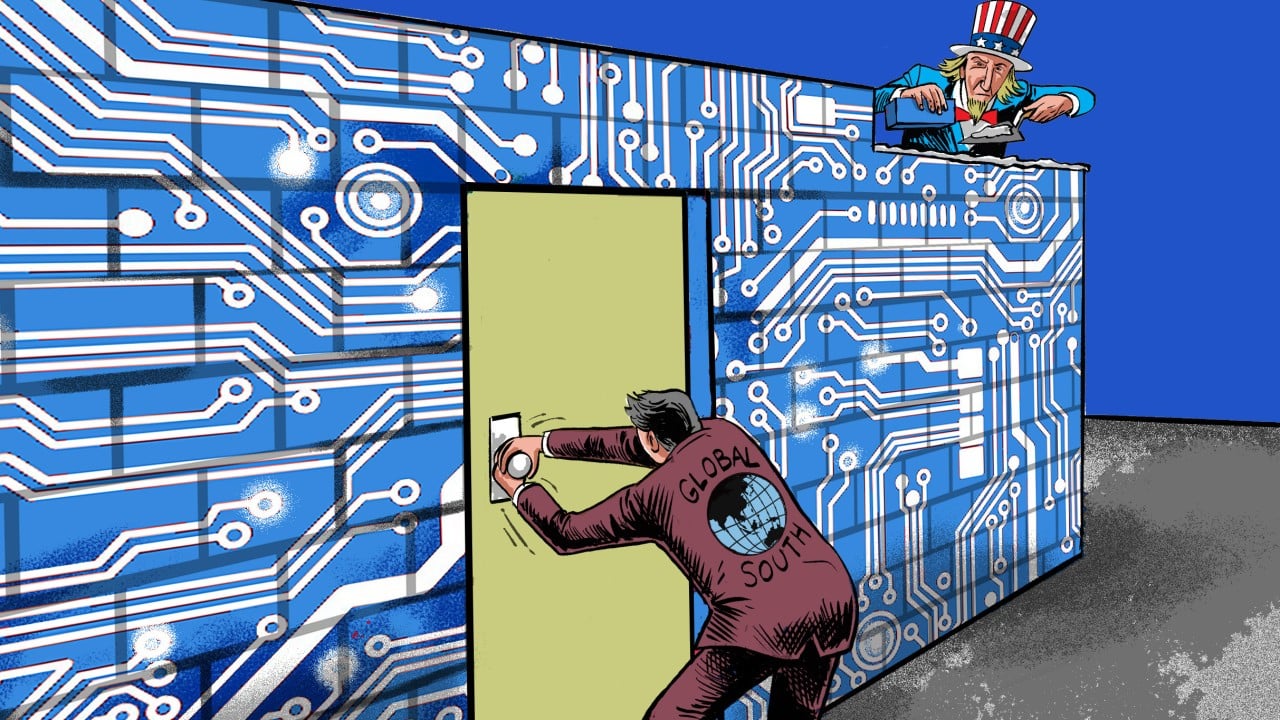
When an American company with a global monopoly on information decides to become a partisan military contractor, the rest of the world notices. This move validates the fears of sovereign nations in Europe, Asia, and the Global South who have long worried about "digital colonialism."
If Google is proud to work with the U.S. military, why should a foreign government trust Google with its national data? The company is effectively handing its competitors, from local cloud providers to state-backed entities in China, a massive marketing win. They are proving that at the end of the day, their primary loyalty is to the American flag, not the global user base.
The Competition for the Cloud
Microsoft and Amazon have long been the "pro-military" options in the cloud space. They never pretended to have the same ethical hang-ups as Google. By entering this fray, Google is fighting for the scraps left by the JEDI contract and its successors.
- Microsoft Azure remains the preferred choice for deeply integrated combat systems.
- Amazon Web Services (AWS) dominates the intelligence community's data storage.
- Google Cloud is the latecomer trying to prove it has the stomach for the dirty work.
This race to the bottom ensures that the most powerful technologies ever created will be weaponized before they are ever fully used to solve civilian problems like climate change or disease.
The Silicon Valley Military Complex
The line between the Pentagon and Sand Hill Road has blurred to the point of invisibility. Venture capital is now flowing into "defense tech" startups at an unprecedented rate. Founders who once dreamed of building the next social network are now pitching autonomous swarming drones and AI-guided missiles.
Google’s pivot is the final validation of this trend. It signals to the entire ecosystem that the era of the "neutral" tech giant is over. You are either a contractor or you are irrelevant. The pressure on smaller companies to follow suit will be immense, as the government becomes the largest buyer of advanced software in the world.
The Technical Debt of Ethics
There is a specific kind of technical debt that comes with military work. When you build systems for the Pentagon, you are bound by security clearances, classified environments, and rigid specifications that make it nearly impossible to port those innovations back to the public sector.
Google is effectively siloing its best technology. The AI breakthroughs that could be improving healthcare or education will instead be locked behind a "Top Secret" firewall. This isn't just a loss for the company; it's a loss for the global commons. The tools that were built on the backs of public data and open-source contributions are being enclosed for the exclusive use of the state.
The Role of Transparency
One of the most concerning aspects of this new era is the lack of transparency. Under the guise of national security, Google can now hide its most controversial projects from public and shareholder scrutiny. The "black box" of military contracting is the perfect place to bury the ethical concerns that used to be debated in the open.
When the company says it is "proud" of this work, it is a signal to shareholders that the debate is closed. There will be no more transparency reports on these projects. There will be no more "ethics boards" with the power to say no. The transformation into a defense prime is complete.
The Reality of the Modern Engineer
The modern Google engineer is no longer a pioneer of the open web. They are a cog in a massive machine that services the world’s most powerful military. For some, the high salary and prestige are enough to drown out the cognitive dissonance. For others, the realization that their code might be used to facilitate a drone strike is a breaking point.
The company is betting that there will always be enough talent willing to take the money and ignore the consequences. History suggests they might be right, but the cost will be the total destruction of the creative, rebellious spirit that made Google the most important company on earth in the first place.
Building a better search engine changed the world. Building a better target-acquisition system just makes the world a more dangerous place. Google has made its choice, and the engineers who remain must decide if they are comfortable being the architects of the new digital battlefield.
The era of the "Googler" as a visionary is over. The era of the Googler as a defense contractor has begun. Those who find this unacceptable should look toward the exits, because the company leadership has made it clear: they aren't looking back, and they aren't sorry.