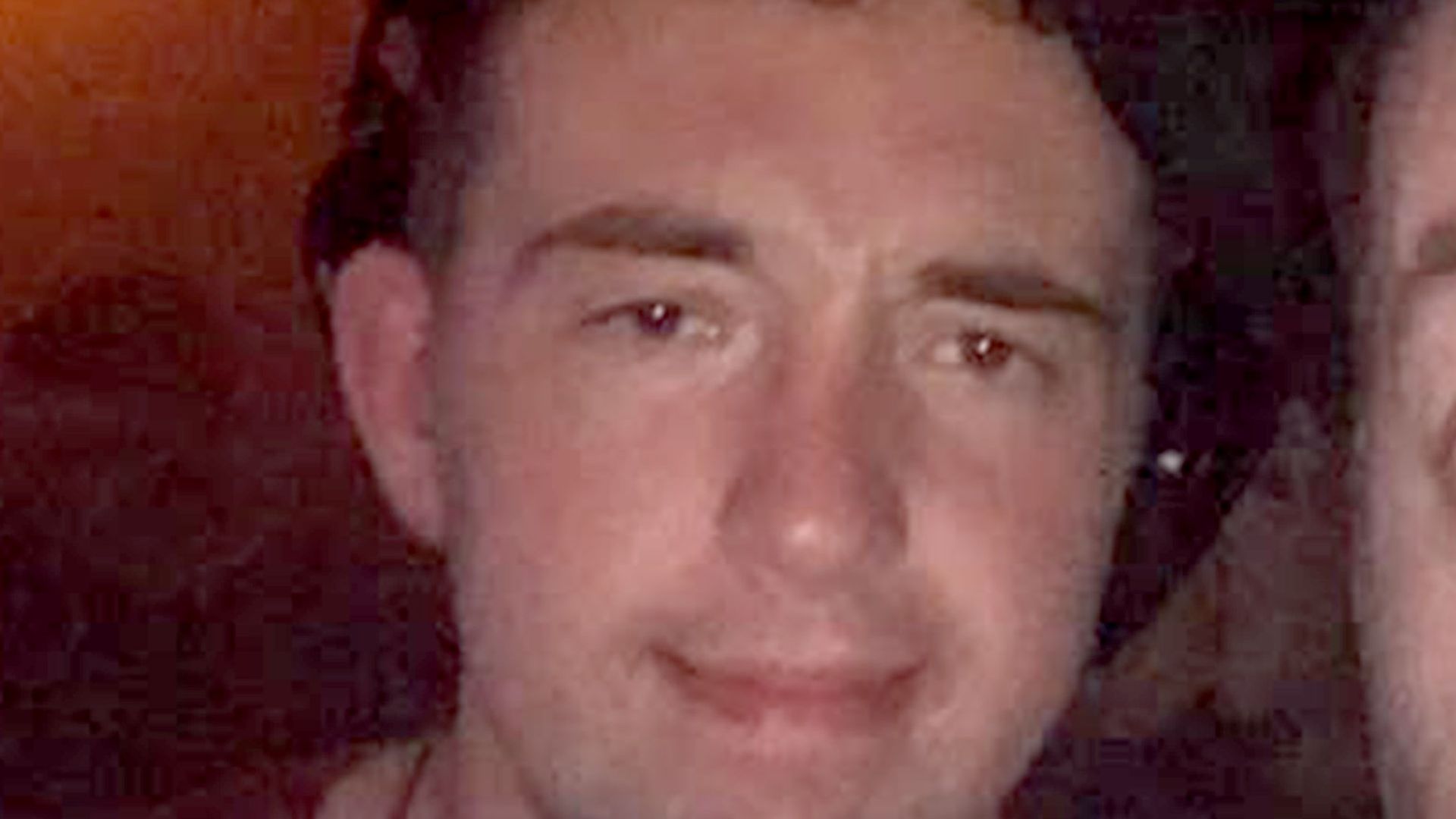
A British DJ has been confirmed among six people killed in a mass shooting in Krakow, Poland, an incident that has shocked both the United Kingdom's electronic music community and local authorities in one of Central Europe's most heavily visited tourist cities. Initial law enforcement reports indicate the gunfire erupted during a gathering in the city, leaving six dead and prompting an immediate lockdown and multi-agency investigation. For a nation with some of the strictest civilian firearm laws in the European Union, the scale of the violence represents a stark anomaly that raises urgent questions about cross-border weapons trafficking, venue security protocols, and the vulnerability of expatriate nightlife workers.
Poland is not a country accustomed to mass shootings. Walk through Krakow's Old Town or the Kazimierz district on any given weekend, and the atmosphere feels distinctly safe compared to many Western European capitals. Street crime is low, visible policing is routine, and gun violence is statistically rare. That baseline reality makes the death of six people—among them a working British DJ who traveled to perform and build a career abroad—all the more jarring.
To understand why this event carries weight beyond the immediate tragedy, you have to look at two intersecting realities. First, the structural mechanics of how gun violence occurs in countries with tight domestic gun control. Second, the economics and security blind spots of Europe's touring DJ and nightlife circuit.
The Anatomy of Gun Violence in a Low-Gun Jurisdiction
When a shooting of this magnitude happens in a jurisdiction like Poland, the immediate public assumption is that laws failed. In reality, Polish firearm legislation is among the most restrictive on the continent. Obtaining a legal permit requires documented justification—such as sport shooting, hunting, or verified personal threat—alongside rigorous psychological evaluations, background checks, and police interviews. Automatic weapons are off the table for civilians, and the overall rate of civilian gun ownership sits near the bottom of European rankings.
Yet strict domestic laws do not exist in a vacuum. Poland shares long land borders with multiple nations, including Ukraine, Slovakia, the Czech Republic, Lithuania, and Belarus. Over the past several years, European law enforcement agencies, including Europol, have repeatedly warned about the illicit flow of converted blank-firing pistols, reactivated surplus firearms, and trafficked military-grade weapons moving across Eastern and Central European corridors.
The numbers tell a quiet, uncomfortable story. While legal gun ownership in Poland remains tightly controlled, black-market procurement bypasses national registries entirely. Investigators handling major firearms cases in Central Europe routinely trace seized weapons back to illicit workshops that convert acoustic or gas pistols into lethal firearms, or to smuggling networks exploiting porous transit routes.
In a hypothetical example of how an illicit weapon enters a city like Krakow, a firearm might originate as a legally purchased blank-firing gun in a neighboring state with looser regulations on non-lethal replicas. Once smuggled across a Schengen internal border where routine passport and trunk checks do not exist, an underground machinist drills out the barrel and replaces key components. Within days, a weapon that cost a few hundred euros on the grey market becomes a lethal instrument on the streets of a major tourist hub.
Why British DJs Are Working Across Central Europe
The presence of a British DJ at the center of this tragedy is not a coincidence. Over the past decade, the economics of the UK nightlife industry have pushed thousands of performers, promoters, and sound engineers toward mainland Europe.
Back home, British clubs have faced an existential squeeze. Rising commercial rents, soaring energy bills, licensing restrictions, and noise complaints from residential developments have shuttered roughly a third of the UK's independent nightclubs over the last ten years. For an emerging or mid-tier DJ in London, Manchester, or Bristol, securing consistent, well-paid weekend bookings has become brutally competitive.
Central and Eastern Europe offered an escape valve. Cities like Krakow, Warsaw, Prague, and Budapest developed thriving electronic music scenes fueled by low overhead costs, high tourism volume, and an appetite for UK-born genres like drum and bass, garage, grime, and house. For a British artist, flying to Krakow on a budget carrier takes less than three hours and costs less than a train ticket from London to Edinburgh.
Promoters in Krakow actively court British talent because a UK booking carries cultural cachet. Meanwhile, British DJs accept lower fees than they would demand at home because travel is cheap, hospitality is generous, and international dates build credibility on press kits. It is a symbiotic arrangement that relies heavily on informal networks, short-term arrangements, and trust.
The Security Blind Spot in Pop-Up and Late-Night Venues
That reliance on informal networks exposes a critical vulnerability. Major festivals and flagship superclubs invest heavily in perimeter security, metal detectors, bag searches, and vetted door staff. The mid-tier and underground circuit—where international guest DJs frequently play—operates very differently.
Many events featuring touring artists take place in rented warehouse spaces, basement bars, private after-parties, or multi-purpose cultural venues. Security at these locations is often minimal, focused primarily on checking IDs, managing capacity, and handling standard alcohol-related disputes. Door staff in cities with low rates of gun crime are trained to spot fake IDs and break up fistfights, not to screen for concealed firearms.
There is an inherent tension here that nightlife operators rarely discuss openly. Heavy-handed security—airport-style scanners, aggressive pat-downs, armed guards—kills the vibe that draws crowds to underground electronic music events in the first place. Attendees want freedom and escapism, not the feeling of entering a fortified compound. In a city like Krakow, where violent gun crime has historically been negligible, spending thousands of euros per night on ballistic screening would have seemed paranoid a week ago.
Now, that calculation changes overnight. Venue owners face an impossible bind between maintaining the open, welcoming atmosphere that sustains tourism and implementing security protocols designed for threats they never anticipated.
How Cross-Border Investigations Unfold After Mass Casualty Events
When a foreign national is killed in a high-profile violent crime abroad, the investigative machinery becomes exponentially more complex. Polish prosecutors and the Central Bureau of Investigation (CBŚP) lead the primary criminal inquiry on the ground, securing forensic evidence, canvassing CCTV networks, and interviewing witnesses.
Simultaneously, diplomatic and law enforcement channels activate between Warsaw and London. The UK Foreign, Commonwealth & Development Office (FCDO) steps in to coordinate consular support for the victim's family, handle repatriation logistics, and liaise with local authorities. If there is any indication that the perpetrator, the weapon, or the motive has ties outside Poland, liaison officers from the UK's National Crime Agency (NCA) and Europol enter the picture to trace cross-border communications and financial records.
Witness testimony in late-night environments presents unique hurdles for investigators. Loud music, strobe lighting, alcohol consumption, and the chaotic dispersal of crowds during an active shooting degrade the reliability of eyewitness accounts. Investigators lean heavily on digital forensics—mobile phone tower dumps, social media livestreams, ride-share drop-off logs, and municipal surveillance cameras—to reconstruct the timeline minute by minute.
In Krakow, the Old Town and surrounding districts are heavily covered by municipal CCTV networks installed primarily to monitor tourist safety and public order. Those cameras often provide the clearest objective record of who entered an area, what vehicles were staged nearby, and which direction suspects fled.
The Ripple Effect on Expatriate Communities and Nightlife Tourism
Krakow's economy leans heavily on international visitors, with British tourists consistently ranking among the top demographics arriving at John Paul II International Airport. For years, the city has worked to shed its reputation as a budget destination for rowdy stag parties, pivoting toward cultural tourism, culinary experiences, and curated nightlife.
A mass shooting involving six fatalities threatens that carefully constructed image. Even when law enforcement determines an incident was targeted rather than random, headlines linking a popular European city break destination to mass gunfire linger in the public consciousness. Tour operators, event promoters, and international artists immediately begin reassessing risk.
For touring musicians and independent promoters, the practical realities of working abroad come under sudden scrutiny. Freelance DJs rarely carry comprehensive international touring insurance, life coverage, or emergency extraction policies. Unlike major recording artists backed by corporate management teams and dedicated tour managers, independent DJs handle their own flights, negotiate fees over direct messages, and walk into unfamiliar venues with zero advance security vetting.
What Venue Operators and Touring Artists Must Change Now
Waiting for government policy to eliminate black-market firearms is not a viable strategy for people working in live events today. The flow of illicit weapons across European borders is a multi-year law enforcement challenge that will not be solved by new legislation alone. Protection has to happen at the operational level.
Venue operators in Central Europe can no longer rely on historical crime statistics as a substitute for physical security. Implementing basic access controls—controlled entry points, mandatory bag checks, handheld metal-detecting wands, and clear emergency egress routes—does not require turning a nightclub into a fortress. It requires treating security as a core operational cost rather than an afterthought.
Touring artists and booking agents must apply the same due diligence to venue safety that they apply to sound systems and hospitality riders. Before accepting an international booking, an artist or agent should verify the venue's licensing status, confirm whether professional security staff are contracted for the event, and ensure local emergency contacts and diplomatic details are shared with someone back home.
The death of six people in Krakow, including a British DJ simply doing the work thousands of artists do every weekend across Europe, exposes how fragile the illusion of absolute safety really is. When borders are open and nightlife is globalized, a threat that used to belong to somewhere else can walk through any door without warning.