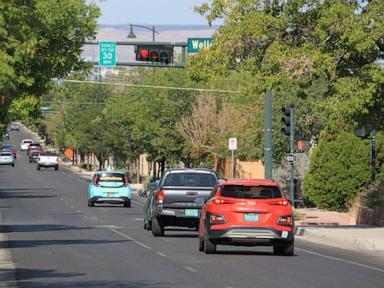
You have definitely sat at an empty intersection at 2:00 AM, staring at a glaring red light while questioning every life choice that brought you to that exact spot. Urban planning has historically treated every driver like a potential menace, slapping down speed bumps and synchronized stoplights designed to frustrate rather than flow. But a quiet shift is happening across select urban corridors. Municipalities are finally waking up to the reality that carrots work better than sticks, implementing traffic systems that reward disciplined motorists with an unbroken string of green lights.
Traffic engineering traditionally relies on restriction. If speeding is a problem, cities add cameras or drop speed limits. If congestion clogs an avenue, they lengthen wait times on side streets. But a handful of forward-thinking cities are flipping the script through advanced traffic signal synchronization, often called the "green wave". When you maintain a precise, legal speed down these specific corridors, the city rewards you with a continuous flow of green signals. You float through miles of urban landscape without touching your brake pedal. Speeders, meanwhile, hit every single red light.
The Mechanics Behind the Green Wave
This isn't magic. It's basic math mixed with modern radar tracking. Municipal transportation departments calculate exact distances between intersections and set a designated target speed. If the posted limit is 30 mph, the lights are timed so that a vehicle traveling at exactly 30 mph arrives at the next intersection the exact millisecond the bulb switches from yellow to green.
Cities like Copenhagen have mastered this for cyclists for years, keeping a steady pace alive across the downtown core. Now, urban centers in North America and Europe are applying identical logic to automobiles using smart sensors. Radar units mounted near intersections calculate your incoming velocity well before you reach the crosswalk. If you're cruising at or below the speed limit, the system holds the green or flips it early. If you're burning rubber and racing past the warning signs, the light stays stubbornly red, forcing you to stop.
Why Traditional Speed Control Fails
Most traffic calming methods are lazy. Speed bumps damage suspensions and slow down emergency vehicles. Stop signs every fifty feet turn residential streets into pollution traps because cars burn the most fuel when accelerating from a dead stop.
Traditional policing fails too. Police officers cannot sit on every corner, and automated ticket cameras mostly generate resentment and angry mail weeks after the fact. They don't stop dangerous driving in the moment; they just penalize it later.
Rewarding compliance changes behavior instantly. When drivers realize that speeding only guarantees a date with a red light while cruising at the limit gets them home faster, human nature takes over. People naturally adjust their driving habits. It turns a frustrating commute into an interactive game where patience actually pays off.
The Real Environmental and Economic Payoff
Stop-and-go city traffic is an economic and ecological disaster. Idling engines pump millions of tons of unburned hydrocarbons and carbon monoxide into the atmosphere every single day. By smoothing out traffic flow, cities utilizing green wave synchronization report measurable drops in corridor emissions and fuel consumption.
You save money at the pump. Municipalities save money on road maintenance because sudden braking and aggressive acceleration rut the asphalt over time. Fewer accidents happen because unpredictable, erratic weaving stops working. When everyone moves at a uniform, predictable speed, the entire roadway operates with fewer friction points.
How to Find and Ride the Wave
Not every city uses these systems yet. If you want to know if your local municipality utilizes intelligent signal timing, look for corridors marked with advisory speed signs. These signs don't just suggest a limit; they tell you the exact speed required to catch the synchronization pattern.
Set your cruise control where possible. Stop fighting the traffic pattern by darting between lanes. The fastest way through a modern synchronized corridor is consistency, not aggression. Let go of the gas pedal, match the rhythm of the street, and let the city do the work for you.