The invitation was inked by hand, folded twice, and tucked into a pocket over a beating heart.
Celebration in the desert looks different than it does anywhere else. It is loud, unapologetic defiance against an unforgiving horizon. Drums echo off ancient stone walls. Voices rise in songs older than modern borders. Plates of saffron rice and roasted lamb pass from hand to hand under a canopy of woven cloth and blinking stars. For a few brief hours, the crushing weight of ordinary survival lifts. Two families become one. The future feels possible.
Then the sky splits open.
There is no warning sound that registers as human. There is only a sudden, blinding fracture of light followed by a concussion wave that turns laughter into silence.
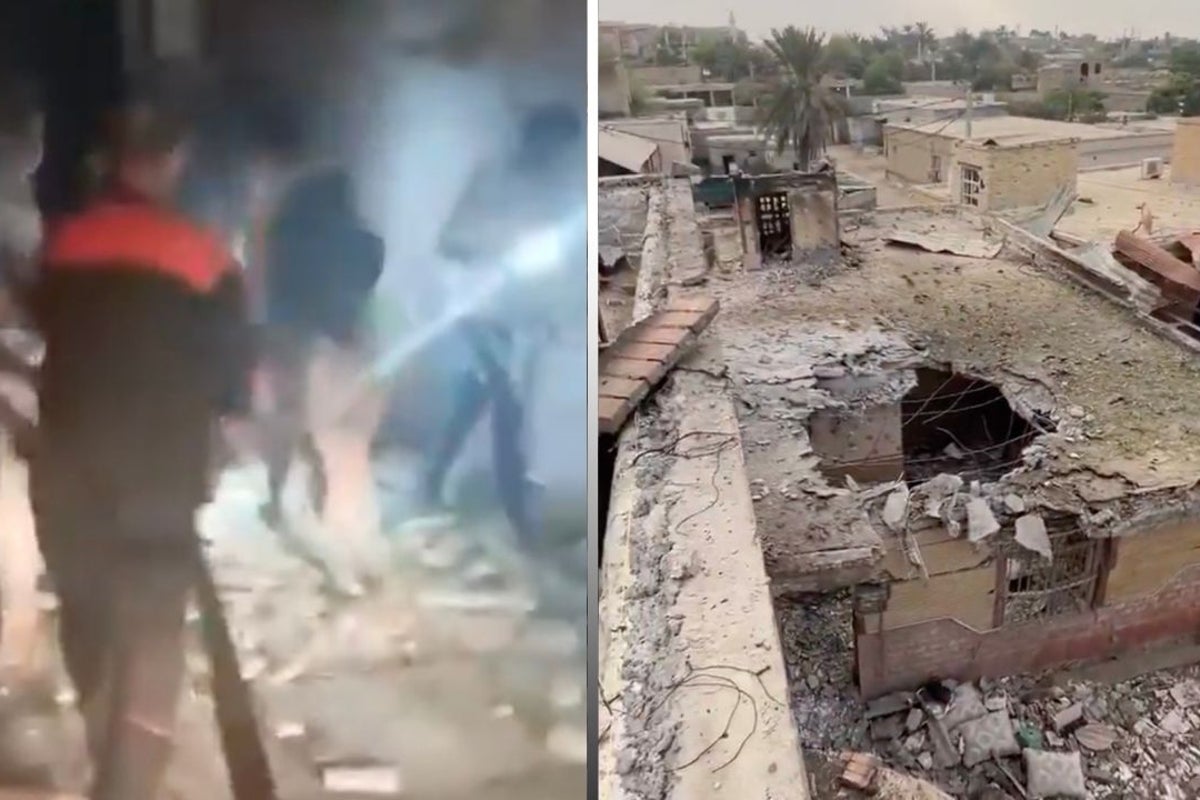
Hours later, the official statements begin to crawl across ticker tapes and diplomatic desks. Cold coordinates. Collateral assessments. Strategic imperatives. But down in the dust, beneath the settling ash and the shredded remains of festive garments, four lives have simply ceased to exist. Four bodies pulled from the rubble of a wedding tent.
And in the capital, the reaction hardens into steel.
The Architecture of Escalation
We talk about geopolitics as if it were a grand chess match played by men in tailored suits moving ivory pieces across a polished mahogany board. We analyze doctrine, deterrence, and force projection. We parse the syntax of diplomatic cables, searching for hidden signals of restraint or aggression.
This is a comfortable illusion. It protects us from the messy, bleeding reality on the ground.
When a precision strike misses its intended profile—or hits a target that intelligence horribly misread—the fallout does not respect the neat boundaries of strategic theory. It lands directly on the floor of a celebration. It registers in the throat of a grieving father. It translates instantly into a vow of a devastating response.
Consider what happens next in the quiet rooms where decisions are weighed.
The accusation is leveled not just as a diplomatic maneuver, but as a cry of profound, irreducible rage. When a government claims that an American strike tore through a wedding ceremony, the immediate Western reflex is often defensive. Was the target legitimate? Were militants present? Did intelligence failure play a role? These are operational questions, vital for military auditors.
They are entirely meaningless to a population watching smoke rise from a crater where children were dancing hours before.
Anger compounds. The demand for a devastating response is not drafted in a vacuum; it is fueled by the immediate, visceral thirst for retribution that surges through a populace when their grief is broadcast on every screen. In this environment, moderation looks like weakness, and restraint becomes politically impossible.
The Invisible Weight of Collateral Damage
I have stood in places where the air still tastes of cordite and burnt sugar. I have seen how quickly a community can pivot from joy to an unforgiving solidarity. When an external superpower strikes with impunity, the technological gap between the attacker and the victim creates a unique psychological wound.
The attacker sees a monitor miles away, a grainy thermal signature, a calculated risk. The victim sees an unprovoked violation, an act of sheer terror descending from an indifferent sky.
This is the invisible cost of modern warfare. Every miscalculation deposits a heavy down payment on future conflicts. Each civilian life extinguished under the banner of tactical necessity hardens the resolve of the adversary, turning reluctant citizens into fervent believers in retaliation.
The accusation leveled against the United States following this strike is more than a diplomatic grievance. It is an indictment of a system that views human lives as acceptable margins of error. When four innocent souls attending a wedding become a footnote in a daily briefing, the moral high ground erodes completely.
The Point of No Return
Diplomacy thrives on ambiguity. It relies on the unspoken agreement that both sides want to pull back from the brink before the machinery of war spins entirely out of control.
Yet, vows of a devastating response alter the physics of the moment. They draw a hard line in the sand with fresh blood. Once uttered publicly, leaders find themselves trapped by their own rhetoric. To back down is to invite internal political ruin. To strike back is to invite a wider regional conflagration that no one claims to want, yet everyone seems powerless to stop.
We watch the headlines tick upward. We wait for the retaliatory shoe to drop. We analyze drone ranges, missile capacities, and carrier group deployments as if they were weather patterns beyond human control.
They are not weather. They are choices.
Every escalation begins with a failure of imagination—an inability to see the wedding tent before the missile falls, an inability to understand that the people on the receiving end of high-technology warfare bleed just as red, and mourn just as fiercely, as anyone else.
The music in the desert has stopped. The dust has settled over the ruins of a broken celebration. But the echo of the strike remains, bouncing back and forth across a volatile sea, waiting for the other side to answer.