The plastic is translucent, a soft aquatic blue that promises purity. It hums with a low, rhythmic vibration that blends seamlessly into the white noise of a modern apartment. To a cat, it is a fascinating, bubbling spring. To a busy homeowner, it is a small victory of convenience—a reassurance that even during a long shift at the office, the pets are cared for. It sits quietly on the kitchen tile, plugging into the wall via a thin, unassuming black wire.
We surround ourselves with these tiny, automated servants. They feed our dogs, vacuum our rugs, and filter our air, operating on a silent contract of absolute trust. We buy them to protect the things we love.
But electricity and water are ancient enemies. When they are forced to cohabitate inside a cheap, mass-produced plastic casing, that contract of trust becomes terrifyingly fragile.
The Weight of a Quiet Apartment
Consider an ordinary Tuesday afternoon in a high-rise flat overlooking the crowded streets of Hong Kong. The air inside is cool, insulated from the humid swell of the city outside. A domestic helper is moving through her daily routine, washing dishes, folding laundry, keeping the rhythm of a home that belongs to someone else. In the corner of the living room, two cats rest in the shadows beneath the couch.
Then, the hum changes.
It isn't a loud explosion. It starts with the sharp, chemical tang of melting polymer—a smell that signals an electrical short circuit before the first plume of smoke even rises. The small submersible pump inside a pet water dispenser, designed to run continuously, has failed. Perhaps the water level dropped too low, causing the motor to dry-fry. Perhaps a microscopic fracture in the plastic housing allowed moisture to seep directly into the live circuitry.
Within minutes, the convenience appliance becomes an ignition source. Smoke, thick and toxic from the burning synthetic components, begins to choke the small apartment.
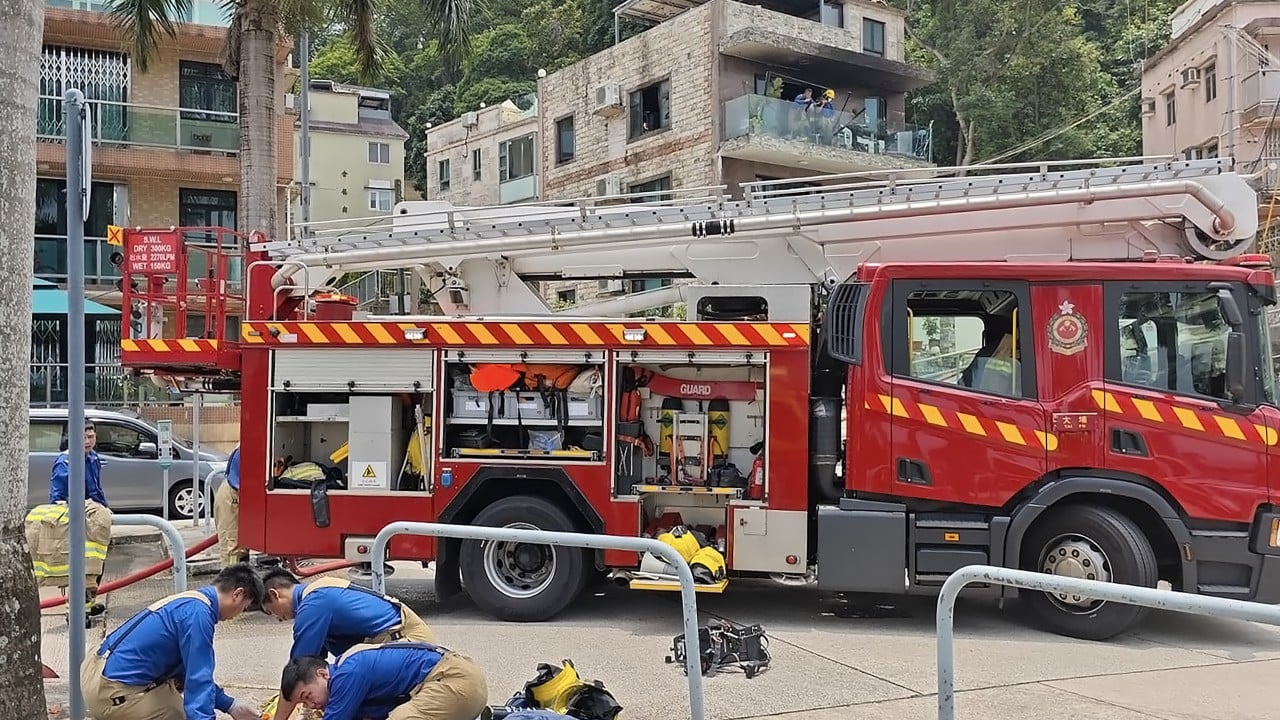
Panic in an enclosed space is a heavy, claustrophobic thing. The helper acts on instinct, trying to battle the rising heat, trying to reach the animals. But smoke from modern plastics carries cyanide and carbon monoxide; a few deep breaths can disorient even the most clear-headed person. By the time emergency crews arrive at the high-rise, the fire has claimed its territory.
The helper escapes, but she is injured, coughing and burned, her lungs scorched by the fumes. She is rushed to the hospital. But the two cats, trapped in the low-lying smoke zones where pets instinctively hide when terrified, do not make it.
The fire is extinguished quickly. The structural damage is contained. But the emotional architecture of that home is entirely ruined.
The Illusion of Set It and Forget It
We live in an era that worships automation. We want the benefits of companionship and clean living without the friction of daily maintenance. Manufacturers have responded by flooding the market with low-cost, internet-ordered appliances meant to run twenty-four hours a day, seven days a week.
But we have misunderstood the nature of these machines.
Every plugged-in device is a live thermal event waiting to happen if the conditions deteriorate. When we examine the mechanics of a standard pet fountain, the inherent risks become clear. These devices rely on a small magnetic drive pump submerged entirely in water. They are often powered by cheap USB adapters or direct alternating current lines that lack automatic shut-off switches.
If the water evaporates, the heat generated by the spinning impeller has nowhere to go. The plastic melts. The circuit bridges.
Think about the sheer number of constant-run devices currently plugged into your own baseboards right now. The Wi-Fi routers, the air purifiers, the smart plugs, the scented oil warmers. We treat them like furniture. We forget they are drawing current. We forget that inside those sleek, minimalist shells, electrons are violently colliding, generating heat that must be constantly dissipated.
The tragedy in Hong Kong wasn't a freak accident. It was a statistical inevitability born from our collective cultural blind spot regarding small home electronics.
Redefining the Safety Margin
The solution isn't to retreat into the dark ages and fling our technology into the trash. It is to shatter the illusion of absolute reliability.
Safety is not a static feature you buy at a store; it is an active practice. For those who rely on automated pet care, the calculus of risk needs a immediate overhaul.
Consider the difference between a plastic fountain and a ceramic or stainless-steel model. Plastic degrades over time when exposed to constant moisture and UV light, creating microscopic fissures that can compromise electrical insulation. Ceramic does not melt. Stainless steel does not feed a flame.
More importantly, look at the power source. Modern, high-end appliances often feature smart sensors that cut power the exact millisecond the water level drops below a safe threshold. If your device lacks this feature, it isn't an assistant—it is a hazard.
We must also confront where we place these items. A water dispenser placed directly on a wooden floor or next to flowing curtains turns a localized electrical failure into a structural inferno. Placing them on wide, non-combustible surfaces like ceramic tile or a heavy silicone mat can mean the difference between a ruined appliance and a ruined life.
The apartment is silent now, the smell of charred plastic lingering long after the fire trucks have departed. The glass bowls we used to fill by hand required our presence, our touch, our daily attention. They forced us to look at the water, to see our pets, to engage with the reality of their survival. In outsourcing that simple act of care to a cheap motor behind a wall of plastic, we traded a moment of mindfulness for a lifetime of regret.
The blue light on the kitchen floor stops blinking. The water goes still. The cost of our convenience is sometimes far too high to measure in dollars.