For decades, public health data treated the drinking population as a monolith. If overall per capita alcohol sales dipped or spiked, the narrative was uniform. Everyone was drinking more at a party, or everyone was drying out in January.
That broad-brush methodology obscured a sharp generational split. Alcohol consumption in many major markets has finally backed down from its pandemic-era peak, but that national average hides a stark reality. Older demographics are maintaining or even increasing their heavy-drinking habits, while younger cohorts are stepping back from alcohol entirely. For an alternative look, check out: this related article.
This divergence is not just a statistical anomaly. It is a structural shift in consumer behavior, public health, and industry revenue models that has been unfolding quietly for years.
The Pandemic Surge and the Long Hangover
When global lockdowns took effect, baseline routines shattered. Remote work severed the invisible boundaries between professional hours and personal time. The five o'clock drink crept forward to four o'clock, then three. Similar analysis regarding this has been shared by National Institutes of Health.
Home delivery apps, laxer regulations on alcohol sales, and acute psychological stress created a sustained surge in consumption. Public health agencies watched emergency room visits for alcohol-related liver disease climb sharply, particularly among middle-aged adults.
Now that daily life has stabilized, the aggregate numbers are heading downward. Total volume sales are contracting. Breweries, distributors, and massive multinational beverage conglomerates are seeing their traditional growth curves flatten.
Yet, looking only at the national average is a mistake. The aggregate decline is driven almost entirely by younger demographics. The twenty-somethings who embraced dry months and wellness culture during the pandemic have permanently altered their relationship with ethanol.
Older adults, meanwhile, are holding steady. They are the ones keeping traditional retail shelves and restaurant wine lists afloat.
The Gen Z Temperance Movement
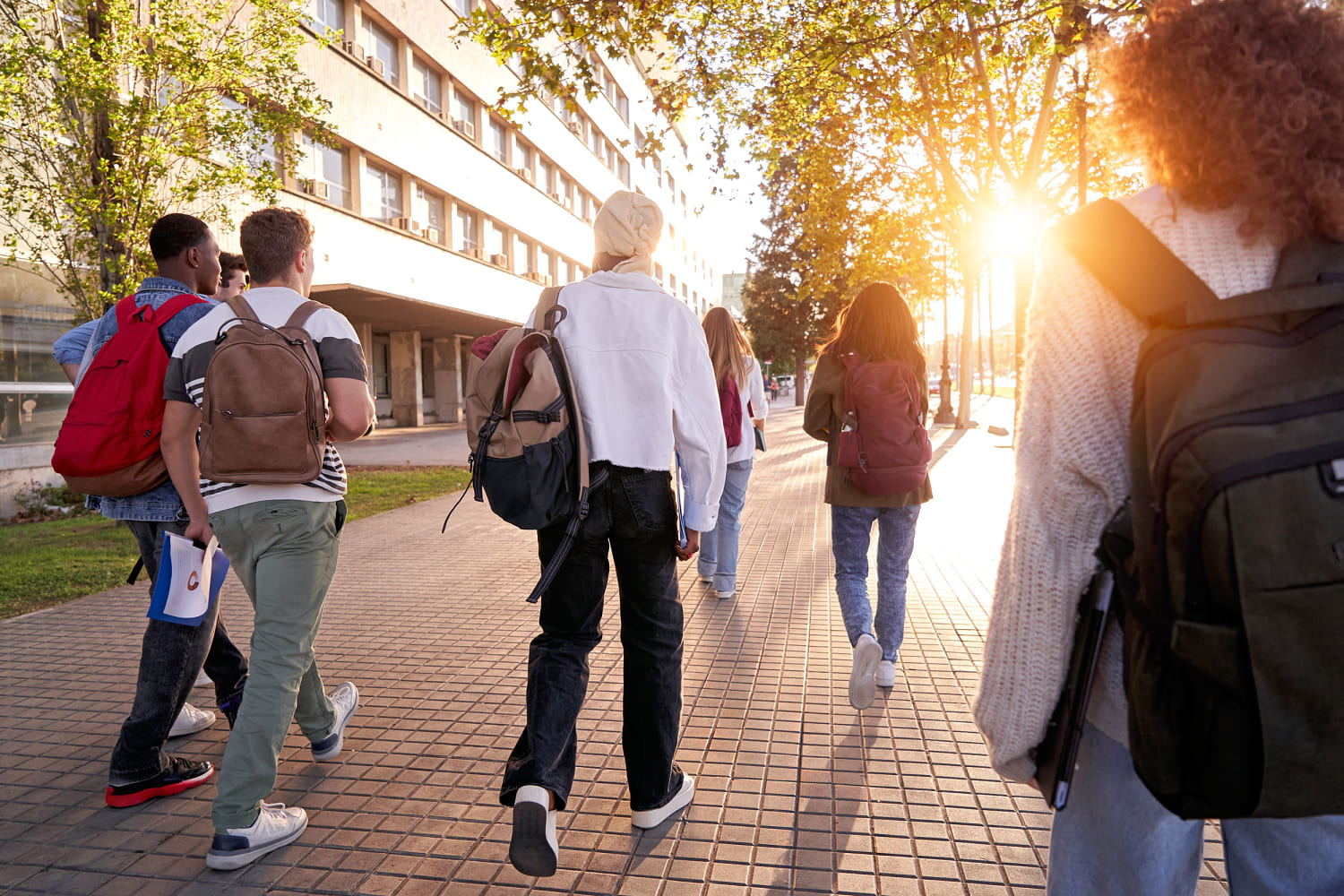
The most aggressive contraction in drinking rates is concentrated among young adults. Generation Z drinks significantly less per capita than millennials did at the same age, and far less than Generation X or the Baby Boomers.
This is not necessarily a sudden wave of moral sobriety or a collective embrace of asceticism. It is a calculated lifestyle choice built around wellness, financial pragmatism, and digital visibility. When every weekend party is documented on high-definition social media feeds, the cost of losing control rises significantly.
Economic realities also play a heavy hand. Younger workers face inflated housing costs, stagnant real wages in entry-level positions, and intense competition in the job market. Spending fifteen dollars on a single craft cocktail at a crowded bar looks less appealing when viewed through the lens of long-term financial security.
Furthermore, the market has evolved to accommodate them. The explosion of high-end non-alcoholic options has removed the social friction of not drinking. Ten years ago, ordering a non-alcoholic beverage at a bar meant settling for club soda with a lime or a sugary fruit juice. Today, sophisticated botanical spirits, dealcoholized craft beers, and adaptogenic zero-proof wines allow non-drinkers to participate in the ritual of socializing without the physiological cost.
The Resilience of Older Drinkers
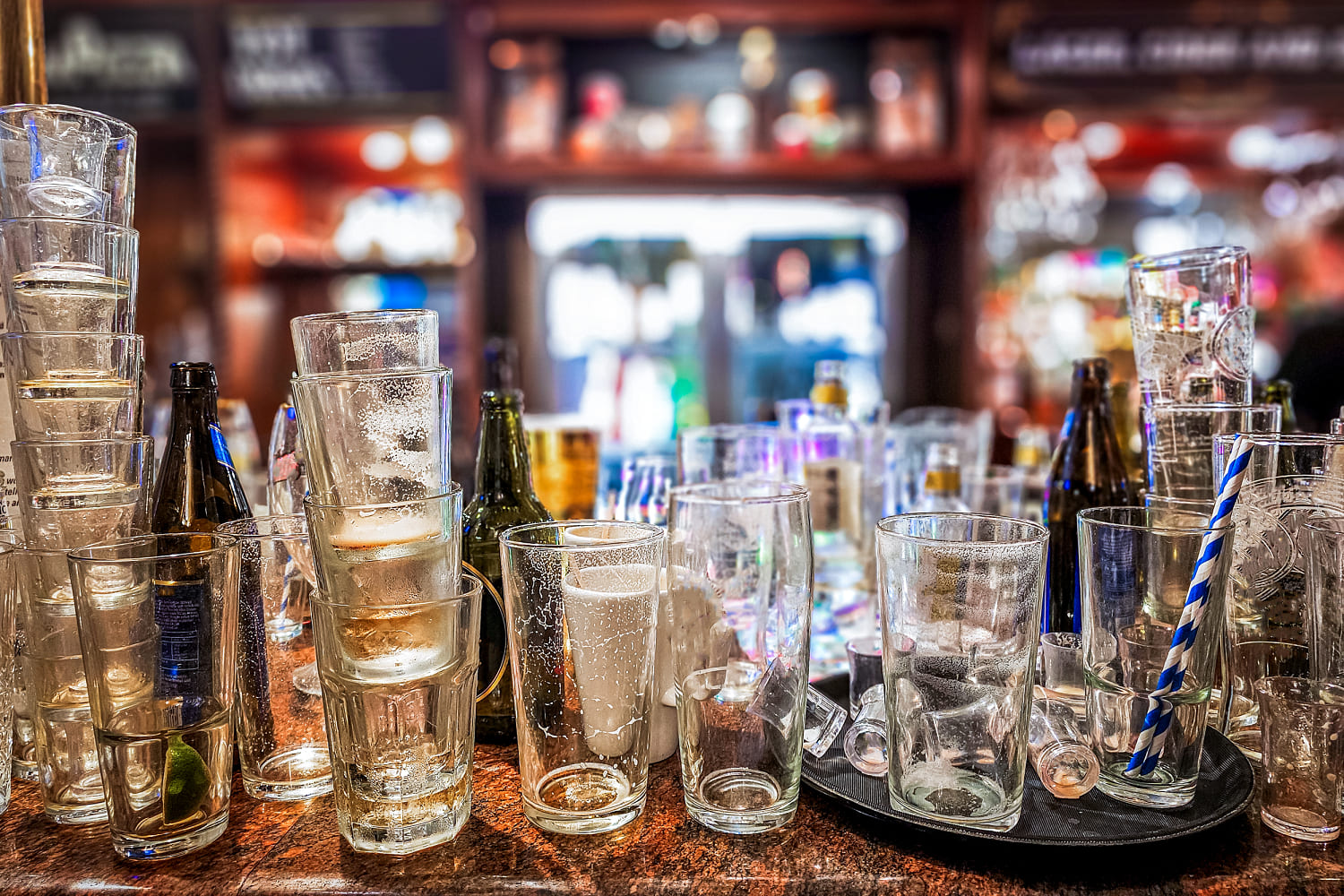
While the younger demographic redefines social validation away from alcohol, the older demographic remains anchored to it. Baby Boomers and older Gen X adults continue to consume alcohol at rates that consistently outpace younger cohorts.
For this group, drinking is deeply embedded in social rituals, retirement routines, and evening unwinding habits built over decades. It is tied to dinner parties, golf courses, and quiet evenings at home.
This behavioral persistence creates a unique set of challenges. As these populations age, their physiological tolerance for alcohol decreases. The liver processes ethanol less efficiently, and prescription drug interactions become more common.
Public health researchers note that middle-aged and older adults experienced the steepest increases in heavy drinking days during the pandemic, and many of those habits have proved sticky. While a twenty-five-year-old might easily swap a Saturday night beer for a sparkling water, a sixty-year-old established consumer views their evening glass of wine as a hard-earned relaxation tool rather than a dispensable luxury.
The Industry Pivot
Beverage companies are caught in an awkward strategic pivot. They can no longer rely on volume growth from traditional beer and spirits among the under-thirty crowd.
Instead, major producers are aggressively acquiring non-alcoholic brands, pouring capital into low-ABV formulations, and marketing functional beverages that mimic the social lubrication of alcohol without the hangover.
At the same time, wine and spirits manufacturers are doubling down on their core base of older, affluent consumers. Premiumization has become the watchword. If older consumers are going to drink less frequently, they are encouraged to drink higher-end, more expensive bottles when they do.
The alcohol market is bifurcating. It is splitting cleanly into a health-conscious, low-volume youth culture and an entrenched, premium-seeking older generation.
The decline in overall drinking figures is real, but it belongs almost exclusively to the young. Until the older demographics fundamentally shift their habits, the alcohol economy will remain propped up by a generation that views the cocktail hour as non-negotiable.