The morning air in Minneapolis carried that particular, sharp bite of late-winter wind that doesn’t just chill the skin; it makes you want to pull your coat collar up and walk a little faster. Routine. That is what mornings are built on. People carrying paper cups of dark roast coffee, keys jangling in pockets, the low, steady hum of an office building waking up to another Tuesday. Nobody checks the exits when they walk through heavy glass doors. Nobody calculates the distance to the nearest stairwell while pressing the button for the fifth floor.
Until the sound starts. You might also find this connected coverage interesting: The Morning the Quiet Broke Over Europe.
It doesn't sound like television. That is the detail nobody prepares you for. In movies, gunfire has a cinematic echo, a theatrical crack designed to rattle speakers. In real life, inside the confined corridor of an office building, it is sharp, dry, and flat. It sounds like heavy wood snapping in half. It sounds like a fist hitting a door with impossible force.
And then, the quiet. As reported in latest coverage by TIME, the effects are worth noting.
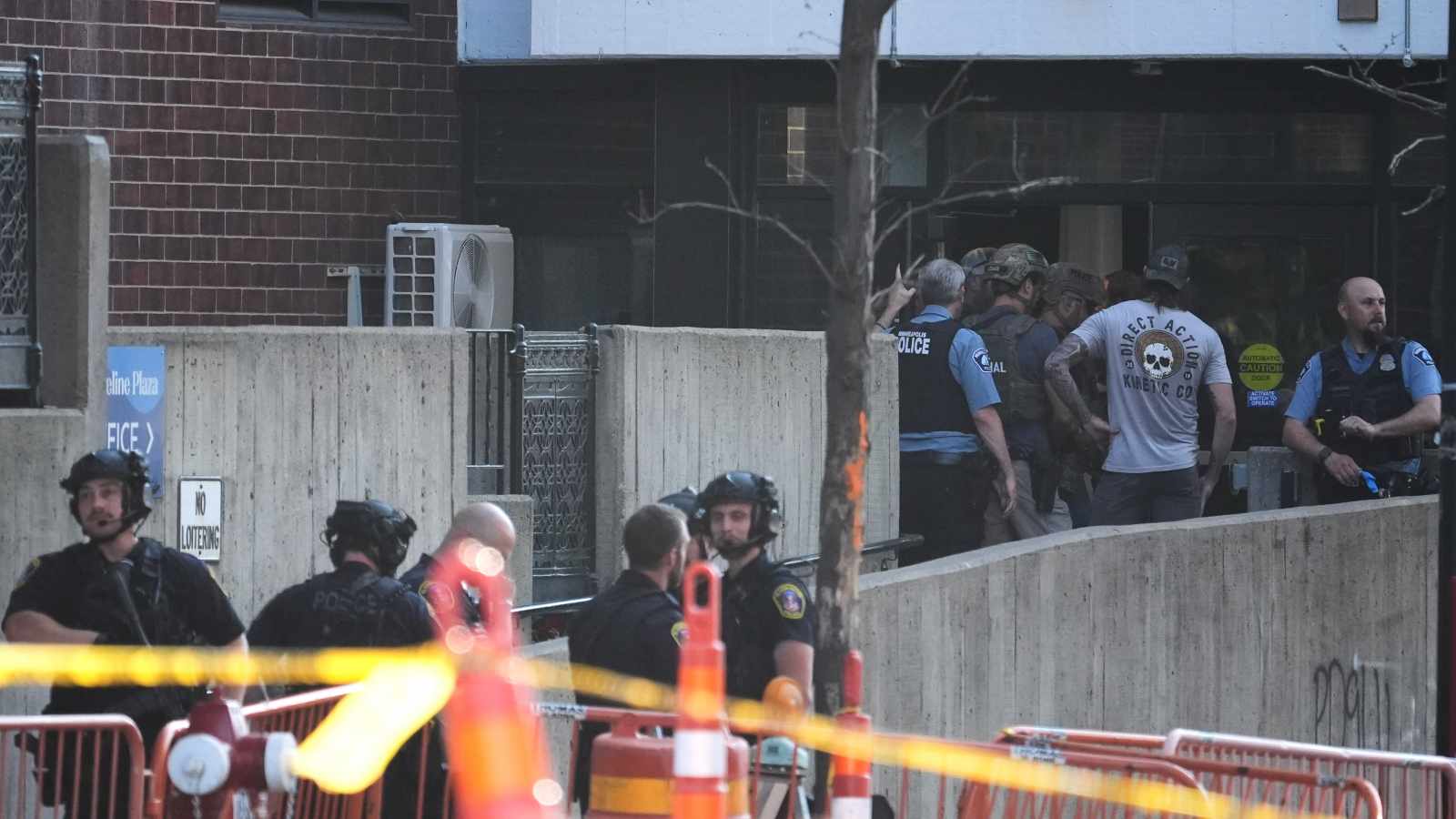
Two lives ended inside those walls. Two people who woke up, kissed a spouse goodbye, maybe complained about the traffic on Interstate 94, and stepped into a morning that felt entirely ordinary. By the time the amber glow of emergency vehicles flooded the street, painting the frozen pavement in flickering red and blue, the calculus of the day had shattered. The suspect was dead, self-contained within the violent geometry of the tragedy, leaving behind that specific, heavy vacuum that only sudden loss can create.
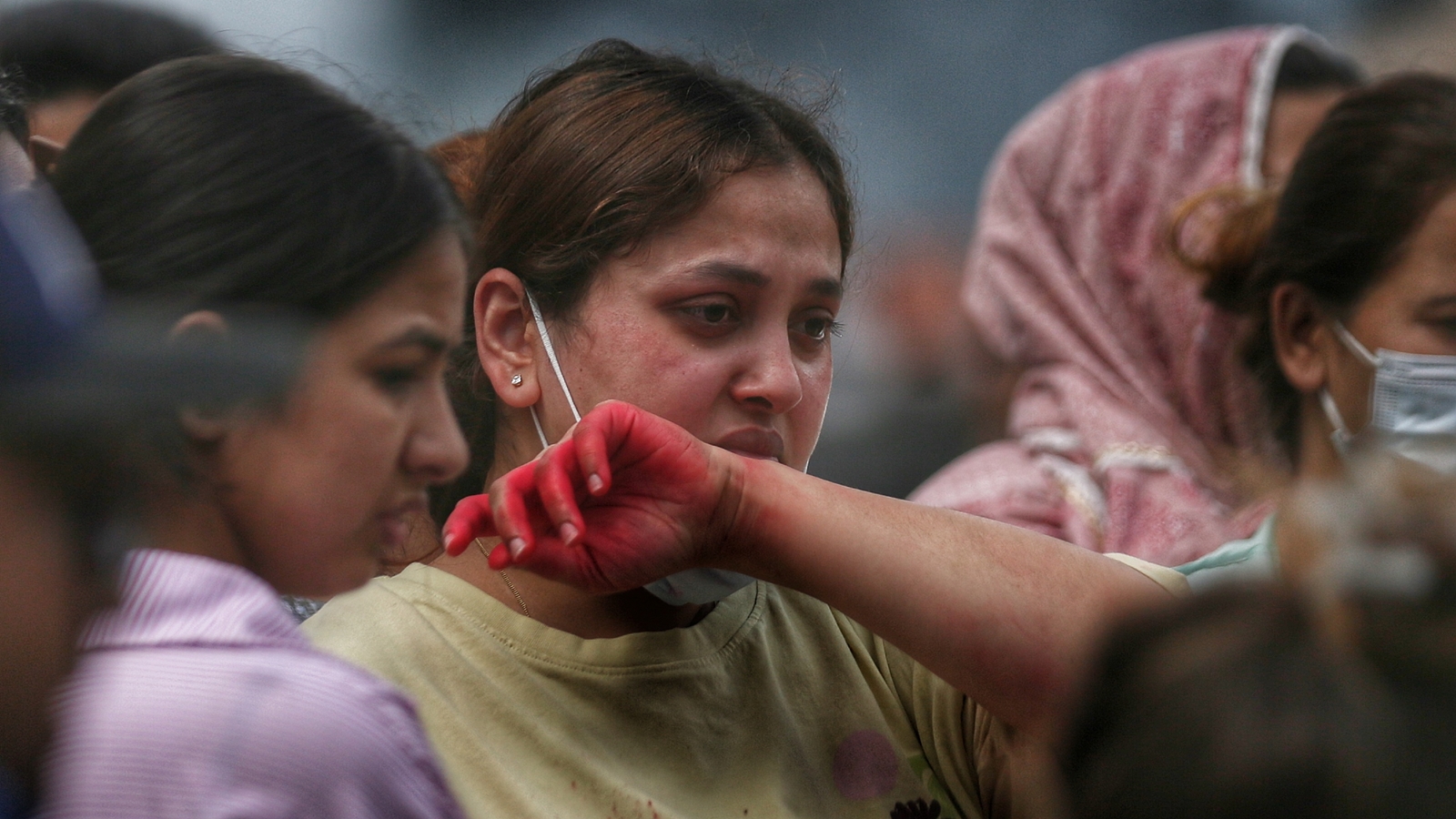
We process these events through ticker tapes and breaking news banners. We scroll through updates on our phones while waiting for the subway or sitting at our kitchen tables, reducing catastrophe to pixels. Two dead. Suspect dead. Building secured. The words are clinical. They are designed to inform without breaking us. But numbers lack weight. They do not capture the trembling hands of a witness standing behind a police tape, wrapped in a foil blanket, staring blankly at a brick facade. They do not measure the sudden, suffocating panic of families watching the screen, frantically dialing a number that rings, and rings, and rings.
Consider the aftermath in the streets below. Police tape flutters in the draft of passing squad cars. Reporters speak in hushed, practiced tones into microphones, their breath pluming in the cold air. But step past the cameras, past the perimeter. Look at the way strangers lock eyes on the sidewalk. There is an unspoken recognition passing between them, a shared, heavy realization of how fragile the architecture of a normal day truly is. We build our lives out of schedules, deadlines, and minor grievances. We worry about emails and parking spaces. Then, in the span of a heartbeat, the illusion of permanence dissolves.
Violence in shared spaces leaves an invisible residue. It changes how a city breathes. For the people who work in that Minneapolis building, and for the thousands of others who commute past it every day, the doorway is no longer just a doorway. It is a threshold of memory. Every time someone approaches those glass panels from now on, their muscle memory will hesitate. They will look twice. They will listen for a second too long before pushing through.
This is the hidden cost of headlines. We consume the data points and move on to the next tab, the next notification, the next distraction. But somewhere in the city, a kettle is still whistling in a kitchen where someone is waiting for a key in the lock that is never coming back. The sirens have long since faded. The flashing lights are gone. The street sweepers have cleared the glass from the asphalt.
Only the silence remains.