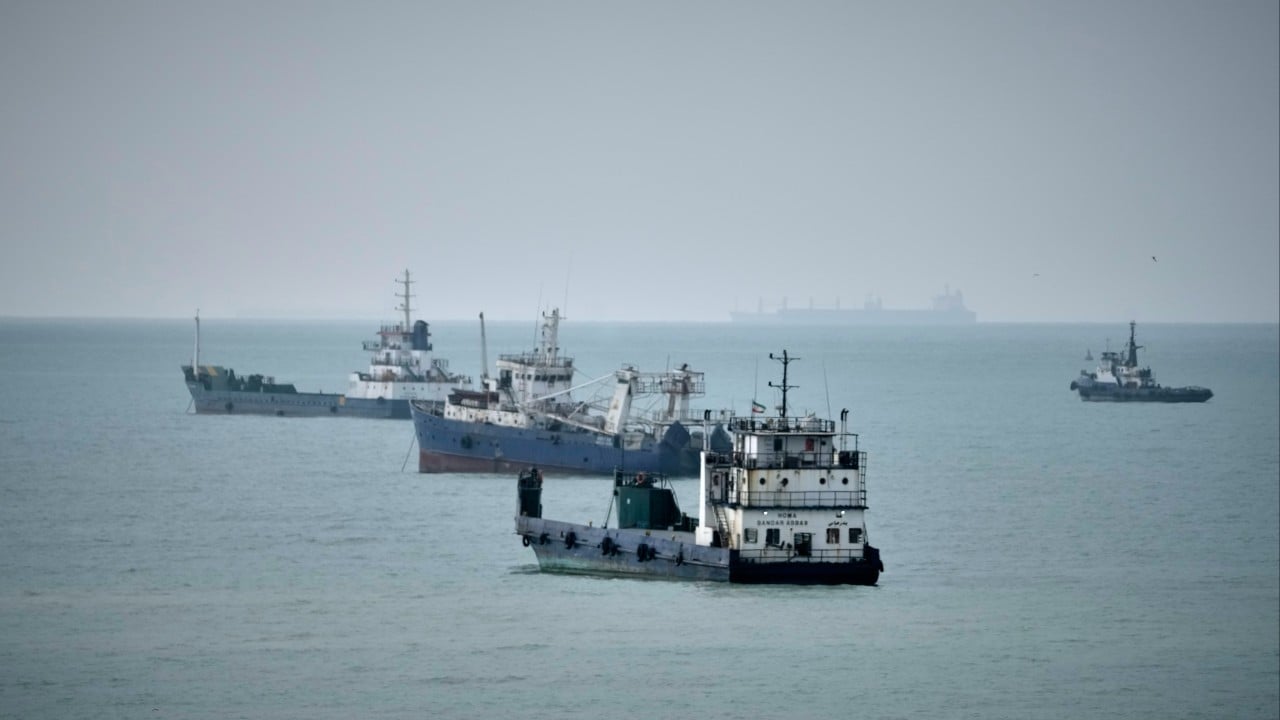
The diplomatic tightrope between Seoul and Washington just got a lot harder to walk. When the White House turns up the heat on foreign allies to share the burden of maritime security, middle powers like South Korea usually end up caught right in the middle. Right now, Seoul is carefully weighing whether to send military assets to the Strait of Hormuz, all while trying not to trigger a domestic political firestorm or destabilize its own neighborhood.
If you look past the standard diplomatic statements, this dilemma comes down to a brutal economic reality mixed with high-stakes alliance management. South Korea imports a massive portion of its energy through that exact Middle Eastern chokepoint. You cannot run the world's leading semiconductor and manufacturing hubs without a steady supply of crude oil. Yet, jumping into a distant naval coalition just because Washington demands it is never a straightforward choice for any administration sitting in Seoul.
The Real Cost of Saying No to Washington
Pressure from the US hasn't exactly been subtle lately. After pushback from Seoul regarding broader Middle East operations, Washington pulled back on joint military exercises on the Korean Peninsula. That move sent shockwaves through South Korea’s defense establishment.
When your primary security guarantor openly links regional burden-sharing to the defense umbrella protecting your own backyard, you listen. Experts note that a limited contribution to maritime security in the Gulf is basically an insurance policy for the broader bilateral alliance. It is less about fighting distant battles and more about proving reliability when the superpower calls in favors.
Reports indicate that Seoul is looking at specific, non-combat or targeted assets rather than heavy combat ships. Think maritime patrol aircraft like the P-8 Poseidon, logistics support vessels, or specialized explosive ordnance disposal teams equipped for mine clearance. These options let the government show Washington it is playing team ball without committing infantry or getting dragged into an active theater of war.
Domestic Politics Tell a Different Story
While foreign policy strategists worry about alliance risks, local voters see things differently. Public opinion polls show strong opposition to sending military personnel abroad into volatile zones. Memories of past overseas deployments come with heavy political baggage.
Any actual deployment requires clearing serious hurdles. It needs legislative approval from the National Assembly, where opposition parties are quick to weaponize any perceived capitulation to foreign pressure. On top of that, military planners have to ensure that stripping assets away from home defense doesn't leave gaps along the heavily fortified border with North Korea. Balancing a disgruntled superpower on one side and skeptical voters on the other is a classic lose-lose scenario for the presidential office.
Securing the Energy Lifeline
Let's be honest about why this matters beyond alliance politics. Over half of South Korea's crude oil and naphtha comes straight through the Strait of Hormuz. If shipping lanes close or insurance rates skyrocket due to regional conflict, South Korean industry bleeds money instantly.
Keeping those lanes open isn't just a favor to the US Navy; it is a vital national security interest for a country dependent on energy imports. That reality forces policymakers to separate emotional opposition to foreign wars from cold logistical facts. Protecting commercial vessels carrying energy supplies is something Seoul has a direct stake in, even if the geopolitical optics are messy.
What Happens Next
Seoul will likely try to thread the needle. Expect a compromise that offers functional, defensive support—like mine clearance or surveillance cooperation—while avoiding offensive combat roles. It is a calculated move designed to appease Washington's demands for burden-sharing while keeping domestic critics relatively calm.
Keep an eye on upcoming parliamentary debates and high-level meetings in Europe and the US. How Seoul manages this crisis will set the playbook for how middle powers handle mounting pressure from a shifting global superpower.