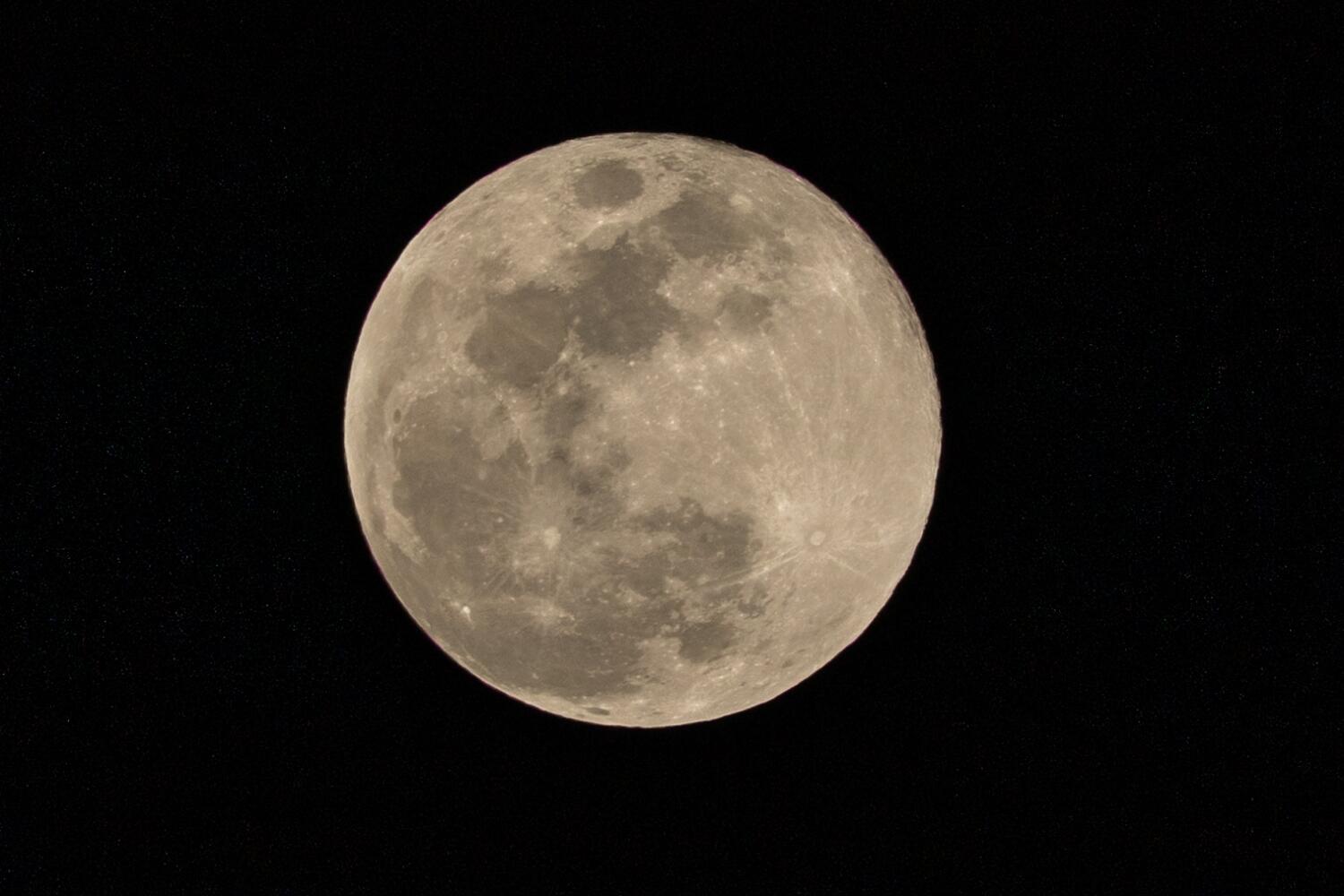
An old piece of space junk hit the Moon at nearly six thousand miles per hour, and honestly, most media outlets completely missed why it mattered. When a discarded Falcon 9 booster slammed into the lunar surface back in 2022, social media panicked. People pictured lunar bases getting pulverized. They imagined apocalyptic craters ruining the night sky.
Let's clear this up right now. Space is huge. The Moon is massive. That chunk of metal caused a microscopic dent on a rock floating in a cosmic vacuum. Meanwhile, you can find similar developments here: The Whispering Echo of the Cicada Wing.
More importantly, it gave planetary scientists a totally unique, accidental laboratory experiment. We rarely get to track a piece of space debris for seven years, watch it tumble through deep gravity wells, and then check the exact impact scar it leaves behind.
You aren't supposed to get free data like this in aerospace engineering. Usually, you spend millions building controlled impact probes just to see how regolith behaves under high-velocity stress. SpaceX didn't plan this crater, but researchers grabbed every scrap of data they could find. To explore the bigger picture, we recommend the excellent analysis by The Verge.
The Long Journey of a Used Booster
To understand why this impact turned into a scientific goldmine, you have to look at how the booster got out there in the first place. Back in 2015, a Falcon 9 launched a deep-space weather observation satellite called DSCOVR.
After pushing the payload away from Earth, the second stage of the rocket ran out of fuel. It didn't have enough push to escape the Earth-Moon system entirely, and it didn't have enough fuel to fly back down for a controlled ocean splashdown.
So, it got stuck in a chaotic gravitational dance.
It looped past Earth, swung out past the Moon, drifted toward the Sun, and tumbled unpredictably for nearly a decade. Astronomer Bill Gray, who runs Project Pluto, kept tracking its erratic path. He realized years ahead of time that the old chunk of metal was on a direct collision course with the lunar far side.
People love to blame SpaceX for littering. But let's look at the physics honestly. Every space agency on Earth leaves dead hardware floating around. Apollo-era Saturn V upper stages are still orbiting the Sun, and some have drifted dangerously close to Earth over the decades.
Space debris is a massive problem in low Earth orbit. Starlink constellations, dead satellites, and paint flecks pose real hazards to astronauts and working hardware. But deep space junk? It's mostly out of sight and out of mind until something bizarre happens.
What We Learned When Steel Met Dust
When the booster hit the Moon, it didn't just go boom. It dug two overlapping craters.
That double crater baffled scientists for a brief moment. Single rocket bodies usually leave one tidy hole. Lunar reconnaissance orbiters eventually snapped high-resolution photos showing an asymmetrical double impact site.
Why two craters? The leading hypothesis points to the heavy rocket engine at one end and the empty fuel tanks at the other. Because the booster was tumbling end-over-end as it fell, both heavy ends hit the ground milliseconds apart, carving out two distinct depressions in the lunar dirt.
That discovery changed how engineers think about kinetic impacts on celestial bodies.
- Material Stress: We now have real-world data on how hollow cylindrical aluminum-lithium structures behave when hitting basaltic rock at hypervelocities.
- Ejecta Dynamics: The plume of dust kicked up by the crash revealed fresh subsurface material that had been shielded from solar wind for billions of years.
- Orbital Tracking Models: Tracking this booster helped astronomers refine the chaotic math needed to predict long-term trajectories in deep space.
Stopping the Panic Over Lunar Litter
Every time a piece of space hardware reenters the atmosphere or crashes into a celestial body, doomsayers crawl out of the woodwork. They argue that we are polluting every corner of the solar system.
They aren't entirely wrong. We do leave a mess behind. Every lunar mission leaves behind descent stages, tools, flags, and discarded equipment.
However, calling this a disaster shows a fundamental misunderstanding of the lunar environment. The Moon gets pelted by natural meteorites every single day. Most of them are moving much faster than a human-made rocket stage.
Nature throws rocks at the Moon constantly. A single Falcon 9 second stage is a drop in the bucket compared to the cosmic bombardment the Moon absorbs annually.
Instead of treating this as a tragedy, the planetary science community treated it like a holiday. We watched a controlled, high-speed stress test on an alien world without risking a single human life or spending a dime of taxpayer money on a dedicated probe.
Fixing the Future of Deep Space Launches
We shouldn't just shrug off space junk, though. As commercial spaceflight ramps up, rocket companies are changing how they handle upper stages.
Modern missions to deep space now routinely include passivation steps. Once a satellite is deployed, engineers vent remaining fuel and bleed electrical charges out of the batteries. This stops old rocket bodies from randomly exploding into thousands of untrackable shrapnel clouds.
Some companies are even designing systems to safely deorbit upper stages into remote ocean corridors, or push them into secure graveyard orbits where they won't bother anyone for centuries.
Space exploration is messy. Building reusable rockets and pushing past our planet's gravity well requires burning fuel and shedding dead weight. We generate waste on Earth every time we build a car or launch a smartphone. Space is no different.
The next time you hear about a piece of space hardware crashing into a distant rock, don't panic. Check the science. Usually, it turns out to be the best accidental experiment we never knew we needed.
Track the data, demand better cleanup protocols for future commercial fleets, and stop worrying about the Moon falling apart. It has survived billions of years of cosmic abuse, and it will handle a few more empty rocket boosters just fine.