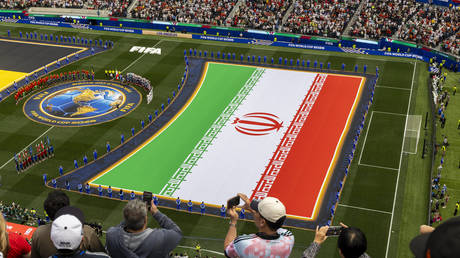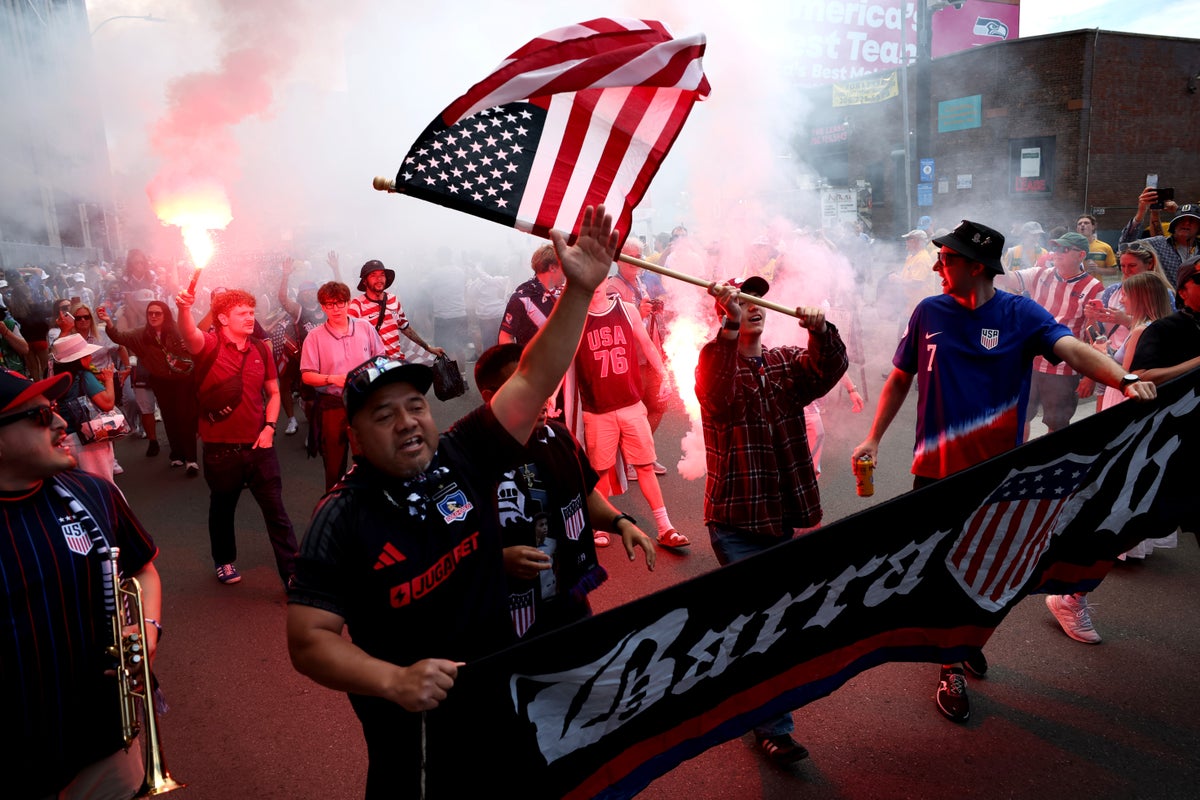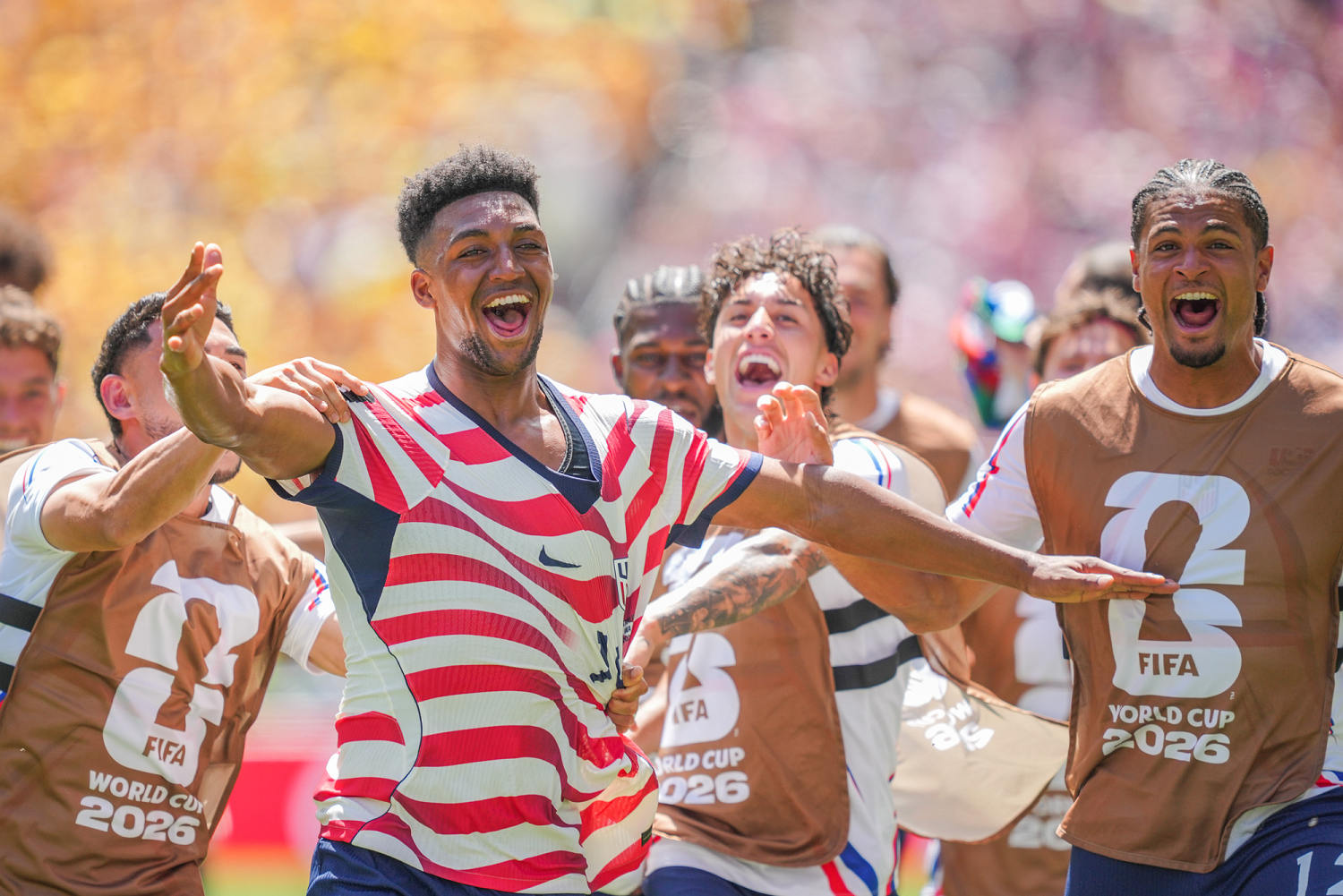
Every major tournament follows the exact same script. A stadium of eighty thousand people suddenly mimics a small-town West Virginia dive bar, unironically belting out John Denver.
The sports media establishment calls this a "beautiful moment of global unity." They tell you that a fifty-year-old American folk-pop track becoming the unofficial anthem of international tournaments proves the universal power of music. They claim it bridges cultures.
They are completely wrong.
This isn’t a cultural phenomenon. It is marketing-driven tribalism masquerading as organic passion. The sudden, ubiquitous adoption of "Take Me Home, Country Roads" at stadium matches represents the total surrender of genuine, localized fan identity to corporate playlist curation.
The Illusion of the Organic Stadium Anthem
Step into any arena during a stoppage in play. The speakers blast that familiar acoustic intro. The crowd roars on cue.
The prevailing narrative says this happens because the song possesses a timeless, communal magic that transcends borders. Having spent fifteen years working behind the scenes in sports marketing and stadium operations—managing crowd logistics and audio curation for top-flight events—I can tell you the reality is far more clinical.
It is a calculated sonic sedative.
Stadium operators do not play John Denver because it inspires intense athletic passion. They play it because it is the ultimate safe bet. It is a paint-by-numbers crowd-control mechanism designed to keep people compliant, happy, and spending money at the concession stands during dead air.
- The Nostalgia Trap: The song relies on a false collective memory. Ninety percent of the fans singing it have never stepped foot in West Virginia. Many have never even visited the United States.
- The Low-Effort Sing-Along: It demands zero emotional investment. The melody utilizes a simple chord progression that requires no vocal range, making it easy for an inebriated crowd to mimic.
- The Death of Local Identity: When a German football crowd, an English rugby audience, and a Mexican baseball stadium all sing the exact same American radio hit, local supporter culture dies.
We are replacing centuries of rich, distinct regional chants with a homogenous, corporate-approved soundtrack.
Dismantling the Fan Culture Myths
People frequently ask how these songs take over global tournaments so quickly. The common assumption is that fans bring these traditions into the venue themselves.
Let’s dismantle that premise entirely. Fans do not choose these songs; algorithm-driven event managers do.
Myth 1: It Represents Pure, Unfiltered Joy
Sporting events are supposed to be spaces of high tension, tribal rivalry, and raw emotion. "Country Roads" artificially manufactured a sanitized, family-friendly environment. It strips away the edge that makes live sports compelling. It turns a fierce athletic battle into a suburban karaoke night.
Myth 2: It Bridges the Gap Between Nations
It does the opposite. It flattens diversity. When international tournaments descend into a monoculture where every nation sings the same three American or British pop tracks, we lose the distinct sonic identity of global sports.
Imagine a scenario where the historic, intimidating chants of South American football or the intricate, rhythmic songs of Eastern European supporters are completely muted, replaced by a stadium DJ hitting play on a Spotify "Greatest Hits" playlist. That isn't unity. That is cultural erasure via corporate laziness.
Stadium Anthem Evolution: From Authentic to Manufactured
─────────────────────────────────────────────────────────────────
Era             Source of Chants            Cultural Value
─────────────────────────────────────────────────────────────────
1970s–1990s     Local Working-Class Fans     High (Unique to Club/Region)
2000s–2010s     Pop Radio Crossovers        Moderate (Organic Adoption)
Present Day     Stadium DJ Playlists        Zero (Corporate Homogeneity)
─────────────────────────────────────────────────────────────────
The Real Cost of Corporate Compliance
I have watched sports franchises spend millions of dollars trying to manufacture "viral fan moments." They hire consultants. They analyze decibel levels. They look at data from past tournaments to see which songs keep audiences in their seats longest during halftime.
The data shows that playing hyper-familiar, mid-tempo nostalgia tracks reduces stadium friction. It lowers aggression. It also lowers authenticity.
The downside to my contrarian view is obvious: if you turn off the pop music, you get silence. You expose the fact that modern, priced-out stadium crowds have forgotten how to create their own atmosphere. Without a PA system prompting them when to cheer and what to sing, the modern casual fan sits in silence, staring at their phone.
That silence is terrifying to executives. So, they hit play on John Denver again.
How to Reclaim the Stadium Experience
If you want to actually fix the sanitization of live sports, stop participating in the forced karaoke.
- Silence the PA System: Stadium operators must give the venue back to the supporters. Stop blasting music the second the ball goes out of bounds. Let the crowd fill the void with their own noise.
- Ban the Corporate Playlist: Tournaments should ban the use of globally recycled pop anthems that have no geographic or historical tie to the competing teams.
- Resurrect Local Supporter Clubs: True atmosphere cannot be bought, programmed, or imported from a 1970s folk record. It is built in the communities surrounding the clubs.
The next time eighty thousand people around you start singing about country roads taking them home, sit down. Keep your mouth shut. Demand a sports culture that is defined by the people in the stands, not the audio engineer in the control booth.
We are paying premium prices to witness elite, unpredictable athletic warfare, not to participate in a mandated, global sing-along designed to keep corporate sponsors comfortable. Turn off the music and let the stadium bleed.