Every single time an old structure goes up in flames, the narrative follows a predictable, lazy script. The headlines roll in with calculated grief. Pundits line up to demand stricter codes, heavier fines, and bureaucratic overhauls. Politicians stand in front of smoldering rubble, promising zero tolerance and sweeping mandates. Everyone points the finger at outdated wiring or missing extinguishers, as if a piece of paper or a fresh coat of paint could override the brutal realities of urban density and aging brick.
It is a comforting illusion. It lets us pretend that tragedy is just a paperwork failure rather than an inevitable friction point of modern urban survival.
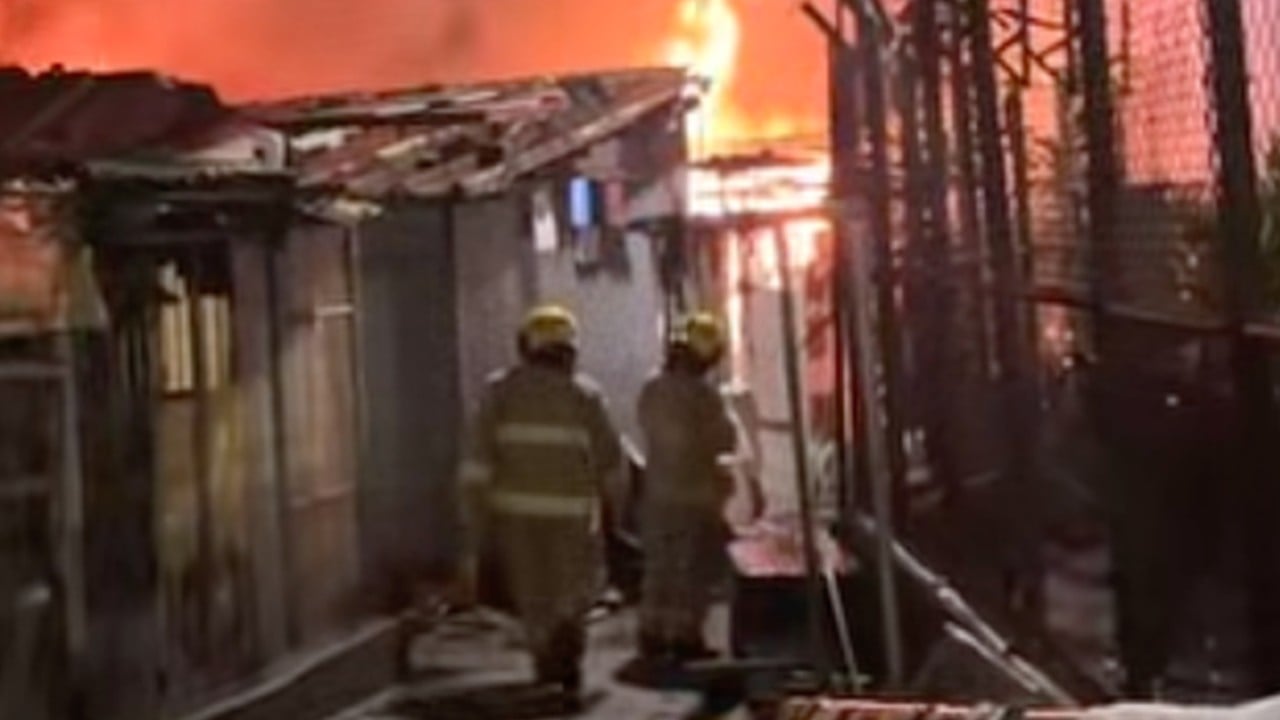
When a village house in Hong Kong catches fire, killing a resident and sending dozens scrambling into the night, the knee-jerk reaction from the press and public is identical. They treat the incident as a unique moral failing of a specific landlord or a rogue neighborhood. They cry out for government intervention, inspections, and retroactive upgrades that sound good on a press release but collapse under economic gravity.
I have spent decades looking at how cities actually function, not how urban planners wish they did on a whiteboard. I have watched millions of dollars thrown at compliance theater while the underlying vectors of risk remain entirely untouched. The conventional wisdom gets it wrong because it assumes safety is a product of rules. It is not. Safety is a product of trade-offs, and we are refusing to look at the ledger.
The Myth of the Retroactive Fix
Let us address the core delusion: the belief that you can impose modern safety standards onto legacy architecture without breaking the economic engine that keeps people housed.
Village houses and old urban tenements exist in a precarious equilibrium. They are dense, informal, and structurally stubborn. They were built for an era with entirely different demographic pressures and material footprints. When regulators swoop in after a disaster demanding sprinkler grids, fire-rated stairwells, and non-combustible partitions, they are asking for the impossible.
You cannot carve a modern fire-egress corridor out of a sixty-year-old walk-up without shrinking living spaces into unlivable cages or bankrupting the small-time owners holding the deeds.
When compliance costs spike beyond reason, owners do not magically find extra capital to transform their properties into state-of-the-art fortresses. They cut corners elsewhere. They hide modifications. They delay maintenance. They turn a blind eye to dodgy electrical jury-rigging because the official path to legality is financially catastrophic. The obsessive push for perfection creates the very underground economy of risk it claims to eradicate.
Every new mandate adds friction. Every inspection breeds evasion. If your regulatory framework makes survival illegal for the working poor, do not act shocked when the building catches fire.
Density is Not the Enemy But Ignorance Is
Let us look at what actually happens inside these spaces before the smoke appears.
The media loves to frame these incidents as structural tragedies, ignoring the human element of operational hazard. In high-density enclaves, the danger is rarely just the age of the timber or the lack of a fire door. It is the cumulative weight of modification. It is the illegal partitioning, the accumulation of combustible clutter in narrow exit routes, and the sheer fatigue of aging electrical infrastructure carrying loads it was never engineered to handle.
Yet, public debate refuses to name the culprits because they are politically inconvenient. We coddle the idea that every squatter, tenant, or landlord is an innocent victim of systemic neglect, stripping away personal and operational agency.
Imagine a scenario where property owners are given complete tax amnesty for ten years, provided every single cent saved goes directly into hard infrastructure upgrades like commercial-grade circuit breakers and fire-resistant internal doors. No paperwork labyrinth. No petty municipal inspectors shaking down residents for bribes. Just raw, unadulterated capital redirection.
The establishment hates this because it cuts out the middlemen—the bureaucrats, the consultants, and the regulators who derive their power from managing the crisis rather than solving it.
The Economics of Neglect
Why do landlords let buildings rot? The answer is not cartoonish greed, though that makes for good television. It is margin compression.
In high-density property markets, space is valued at astronomical rates, yet older peripheral properties operate on razor-thin margins. The tenants who live in these fringe zones cannot absorb a triple-digit rent hike to pay for passive fire protection systems. If an owner spends fifty thousand dollars upgrading a stairwell, that money has to come from somewhere. It comes out of maintenance budgets. It comes out of roof repairs, plumbing upkeep, and structural stabilization.
By forcing compliance on properties that cannot generate the yield to support it, we starve the building of the basic upkeep it actually needs to stay standing. A building with a pristine fire escape certificate but a rotting foundation and water-logged electrical risers is a death trap with a stamp of approval.
We trade invisible long-term structural decay for visible short-term compliance theater.
What Actually Works
If we want to stop reading about midnight evacuations and body bags, we have to stop treating fire safety as an administrative exercise and start treating it as an engineering and economic challenge.
First, decentralize the enforcement model. Stop relying on centralized squads of inspectors who show up once a decade with a clipboard and a list of fines. Move toward real-time, low-cost sensor deployment. Modern thermal and smoke detection arrays cost pennies compared to the economic damage of a single room burnout. Put the tech in the walls. Make it passive, autonomous, and independent of human compliance.
Second, decouple safety from property tenure. In many dense urban environments, the people occupying the most hazardous spaces have no legal stake in the building, and the landlords have detached themselves from day-to-day operations through chains of sub-leases. When nobody owns the risk, everybody accelerates toward disaster. We need legal structures that tie operational liability directly to the person collecting the rent check, enforced with immediate asset seizure rather than endless court dates.
Third, accept the reality of triage. Not every old building can be saved, and not every neighborhood can be retrofitted to twentieth-century standards without massive demolition and displacement. When a structure reaches the point where its fundamental geometry defies safe habitation, the honest answer is clearance, not wishful thinking.
The next time a village house burns and the commentators line up to demand more rules, remember what those rules actually achieve. They soothe our conscience while greasing the wheels for the next disaster.
Stop writing laws for the city you wish you had. Deal with the rubble in front of you.