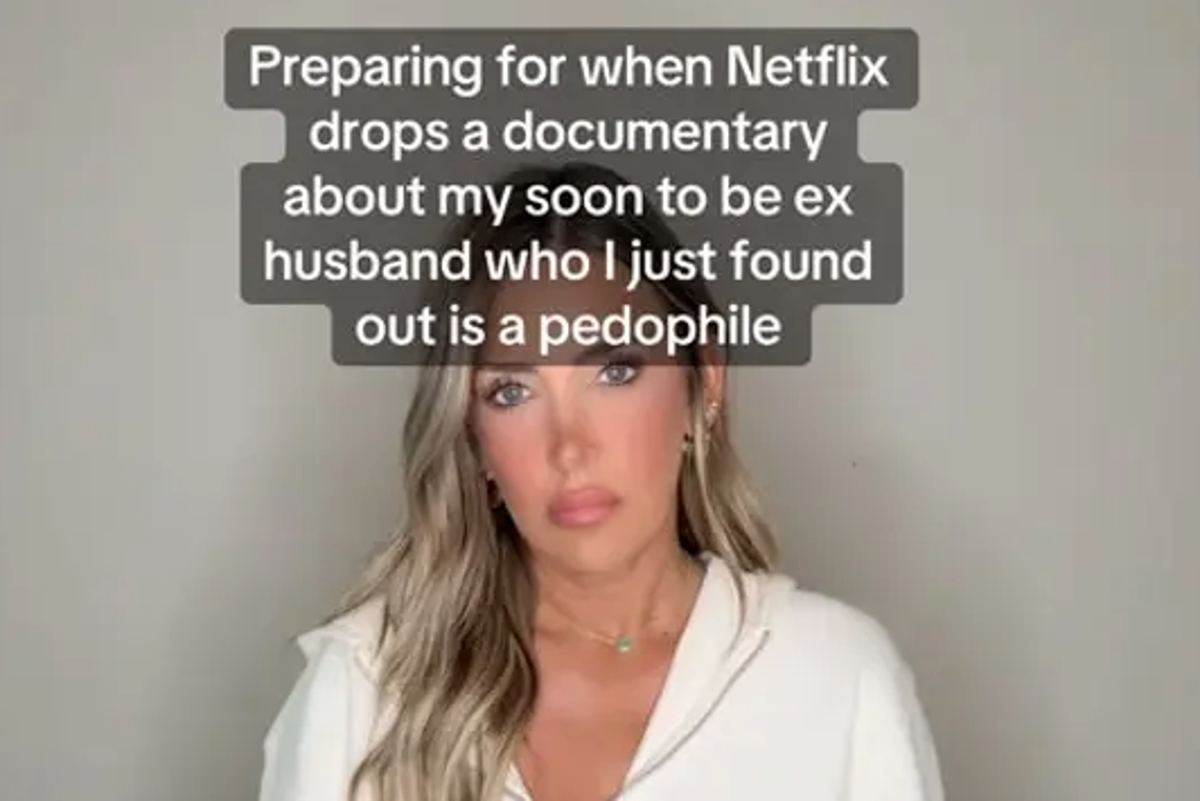
Every tragedy involving a creator brings out a predictable, lazy chorus. The think pieces write themselves. The hand-wringers crawl out of the woodwork to point their fingers at the screen. People love to blame the platform, blame the algorithm, blame the public exposure. They want to believe that if this specific couple had just stayed offline, behind closed doors where the neighbors can pretend not to hear the screaming, everyone would still be breathing.
It is a comforting delusion. It lets society pretend that domestic violence is an artifact of digital culture rather than an ancient, persistent cancer that operates just as efficiently in a silent suburban cul-de-sac as it does in front of a million TikTok followers.
When an influencer is murdered by a partner after airing grievances online, the mainstream narrative focuses entirely on the weaponized visibility of the internet. That misses the entire point of how abuse functions. The screen did not kill her. The platform did not pull a trigger or wield a weapon. A violent predator did what violent predators have always done when they feel their control slipping away.
The Myth of Private Safety
For decades, society operated under the dangerous fiction that the home is a sanctuary. We whispered the old maxim about dirty laundry staying in the family. We gave abusers the ultimate weapon: total privacy.
When creators take their struggles to public feeds, they are often performing a desperate, erratic form of community self-defense. When standard institutional guardrails fail—when police tell you it is a civil matter, when shelters are full, when restraining orders are just expensive pieces of paper—isolation is an abuser's best friend. Public exposure is the only deterrent left for someone trapped in a domestic cage.
Blaming the accusation on the app turns cause and effect entirely on its head. The danger did not spike because the secret got out on a livestream. The danger spiked because the victim crossed the ultimate boundary of an abuser's control. An abuser does not care if the audience is two people in a kitchen or two million people on a FYP. The rage stems from defiance, not exposure.
The Anatomy of Isolation and Control
I have spent years analyzing behavioral loops in high-stress digital environments, and the mechanics of domestic abuse do not change just because a ring light is turned on. Power and control dynamics remain identical whether a perpetrator is hiding bank statements or monitoring comments.
Let us look at the standard psychological playbook of a coercive controller:
- Isolation: Cutting the victim off from friends, family, and independent income streams.
- Gaslighting: Rewriting reality until the victim doubts their own sanity.
- Escalation: Moving from verbal degradation to physical intimidation the moment independence is threatened.
When an online creator starts posting about red flags, public callouts, or relationship fractures, they are attempting to shatter that isolation. They are building a digital witness protection program in real time because traditional systems of aid are overburdened and slow.
To turn around and argue that airing these grievances "provoked" the violence is victim-blaming dressed up in modern media critique. It is the exact same logic as blaming someone for getting robbed because they wore nice jewelry in a bad neighborhood.
Digital Footprints as Forensic Evidence
Law enforcement and digital safety advocates need to stop treating social media posts as reckless provocations and start treating them for what they actually are: a contemporaneous record of escalating danger.
In many domestic homicide cases, the victim leaves behind a trail of breadcrumbs that digital forensics can map out with brutal precision. Comments deleted, captions altered, sudden changes in broadcast style, erratic streaming schedules—these are the real-time indicators of a domestic hostage situation playing out in high definition.
Platforms need to evolve past automated content moderation that flags copyright violations while ignoring domestic abuse red flags. When a creator's behavior shifts radically, or when clear indicators of physical danger appear in frames, there should be direct pipelines to intervention teams, not just safety policies buried in a help center.
The Real Danger Is Silence
We need to stop advising victims to log off for their own safety.
Telling someone in an abusive relationship to delete their accounts, go off the grid, and stay quiet is a recipe for complete annihilation. It hands the abuser absolute control over the narrative and cuts off the victim's lifeline to the outside world. Privacy is a luxury of the safe. For the endangered, visibility is often the only shield left.
The next time a high-profile tragedy forces us to look at the intersection of social media and domestic violence, resist the urge to blame the medium. Look at the abuser. Look at the systemic failures that leave people with no better option than appealing to a crowd of strangers for protection.
The screen is not the threat. The silence is.


