The pet care industry wants you in a state of hyper-ventilating panic the moment you see a single flea.
They want you buying foggers. They want you bathing your cat in citrus-scented strip-mined chemicals. They want you stripping every bedsheet in a three-mile radius and spending six hours running your vacuum until the motor melts.
It’s a racket built on a fundamental misunderstanding of pest biology.
Most advice on handling pet fleas is flat-out wrong, overly dramatic, and actively counterproductive. The conventional wisdom tells you to treat the room, attack the carpet, and scrub the pet until their skin peels. In reality, you are wasting time, burning money, and exposing your household to unnecessary neurotoxins while the actual infestation laughs at you from inside the baseboards.
Here is how the flea economy tricks you, why your nuclear cleanup routine is failing, and how to actually end an infestation without losing your mind.
The "Flea Bomb" Scam and the Carpet Obsession
When pet parents spot a flea, their first instinct is spatial retaliation. They sprint to the big-box store, buy three aerosol bug bombs, set them off in the living room, and go sit in the car for four hours.
Congratulations: you just coated your kitchen counters in permethrin while accomplishing precisely nothing where the fleas actually live.
Flea bombs—or total release foggers—are a relic of bad pest management science. They shoot a cloud of pesticide straight up into the air. That cloud settles on top of flat surfaces: tables, couches, hardwood floors.
Do flea larvae live on top of your coffee table? No.
Flea larvae are phototactic—they hate light. The moment a flea egg falls off your dog and hatches, the larva burrows deep into carpet fibers, down between floorboard cracks, and under the dense cushions of your furniture. The pesticide mist from a bug bomb never reaches them. It floats harmlessly over their heads, leaving a toxic film for your children and pets to lick off the furniture later, while the real population develops completely unbothered beneath the surface.
I’ve watched pet owners spend hundreds of dollars on foggers, sprays, and professional house fumigation, only to see fleas reappear two weeks later. They think they’re dealing with "super fleas." They aren’t. They’re just failing basic geometry.
You Are Looking at the Wrong 95 Percent
Here is the biological math that the standard blog posts skim over:
The adult fleas jumping around on your golden retriever represent roughly 5% of the total infestation in your environment. The rest of the population breaks down into a terrifyingly invisible pyramid:
- 50% Eggs
- 35% Larvae
- 10% Pupae
- 5% Adults
When you buy a flea shampoo and wash your dog, you are attacking a fraction of that top 5%. You kill twenty adult fleas, feel a surge of victory, and completely ignore the thousands of eggs raining into your rugs like biological glitter.
Worse yet is the pupal stage. Once a larva spins a cocoon, it enters a state that is virtually indestructible. The pupal cocoon is sticky, woven with debris, and impervious to almost every over-the-counter chemical spray on the planet. A pupa can sit inside your floorboards for months, dormant, waiting for two specific environmental triggers: mechanical pressure and carbon dioxide.
That means you can spray the house with chemical weapons, leave for a week, come back, walk across the room, and the pressure of your footsteps immediately triggers a wave of fresh, hungry adults to hatch and leap onto your ankles.
You didn't get re-infested from the backyard. You triggered the vault.
The Over-The-Counter Trap
If you are buying flea treatments from the grocery store aisle, you are throwing money into a fire.
Older over-the-counter spot-on treatments rely on active ingredients like fipronil or imidacloprid. Decades of indiscriminate, low-dosage use have led to documented, widespread metabolic resistance in regional flea populations. What killed fleas in 2005 often acts as little more than a mild inconvenience to fleas today.
Then there are the "natural" remedies. Essential oils—clove, peppermint, eucalyptus, tea tree—are heavily pushed by well-meaning internet gurus as a safe alternative.
Let's drop the diplomatic act: spraying concentrated essential oils around your pets is a terrible idea.
Cats, in particular, lack the liver enzymes (glucuronyl transferase) necessary to metabolize the phenols and terpenes found in most essential oils. You aren't repelling fleas; you're setting your cat up for toxicosis, respiratory distress, and organ failure. Even for dogs, essential oils merely act as a temporary repellent at best. Repelling a flea doesn't kill it. It just tells the flea to go bite you instead of the dog.
The Real Strategy: Convert Your Pet Into a Walking Trap
If spraying the house is useless and natural dips are dangerous, how do you actually eradicate an infestation?
You flip the script. Stop trying to treat the environment. Treat the host, and let the host clean the environment for you.
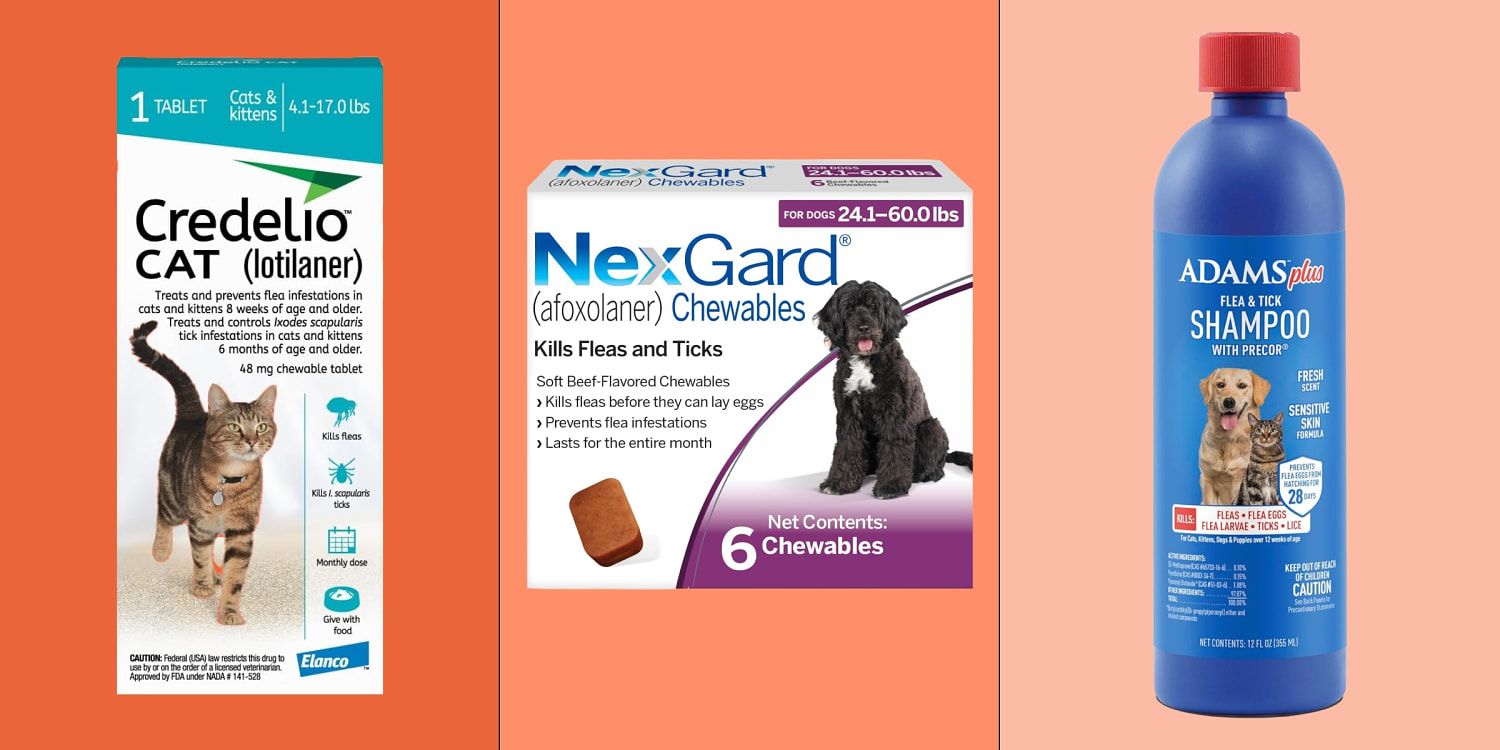
Modern veterinary medicine has given us a class of compounds called isoxazolines (found in oral prescription treatments like fluralaner, afoxolaner, and sarolaner). These molecules target the GABA and glutamate receptors of invertebrates with extreme selectivity, causing rapid neurological paralysis and death in parasites while remaining exceptionally safe for mammals.
When you administer an effective, systemic oral preventative to your pet, their blood becomes lethal to adult fleas within hours.
Now, reconsider the infestation mechanics. You don't need to spray the baseboards. Every time a flea pupa hatches out of your carpet and leaps onto your pet for its mandatory blood meal, it takes a single bite and dies before it can lay a single egg.
Female fleas must feed to lay eggs. If they die within 4 to 12 hours of landing on the pet, the reproductive cycle is instantly broken.
Your pet, moving freely through the house, becomes an automated, self-targeting flea destruction unit. The living room, the bedroom, the basement—wherever your pet goes, they draw out the emerging population and destroy it.
The Mechanical Maintenance You Actually Need
While the systemic medication does the heavy lifting, your job is purely mechanical.
- Vacuum with power, not speed. Vacuuming isn't meant to suck up adult fleas; it does two critical things. First, the mechanical vibration simulates a host passing by, forcing pupae to hatch prematurely into your trap. Second, it removes the "flea dirt" (dried blood excreted by adults) that larvae need to feed on to survive. Vacuum heavily, then empty the canister immediately into an outside trash bin.
- Wash the bedding on high heat. Water temperature over 140°F (60°C) kills eggs and larvae mechanically through heat transfer, no toxic chemicals required.
- Wait out the pupal window. This is where most people panic and fail. An infestation takes 3 to 8 weeks to fully clear, regardless of what you do. You cannot kill the pupae in the floorboards. You must wait for them to hatch, jump on your treated pet, and die. Seeing a few live fleas two weeks after starting treatment isn't a failure—it's the strategy working as intended.
The Catch: Know the Limits
No contrarian strategy comes without caveats, and it would be dishonest to pitch systemic treatments as a zero-risk silver bullet.
Isoxazolines are powerful prescription drugs. While safe for the vast majority of animals, they carry FDA warnings regarding potential neurological side effects, including muscle tremors, ataxia, and seizures in pets with a history of epilepsy. You cannot simply order these online from questionable international pharmacies without a proper veterinary consult. If your pet has a compromised neurological background, your vet will need to tailor a plan using older-generation growth regulators (like methoprene or pyriproxyfen) that disrupt insect chitin synthesis without touching the nervous system.
Furthermore, if you live in a multi-pet home, you must treat every single animal simultaneously. If you put an oral treatment on your dog but leave your indoor cat untreated, the fleas will simply shift their primary feeding ground to the cat. The reservoir remains active, the eggs keep dropping, and the cycle continues unbroken.
Stop spraying toxic clouds into your living room. Stop bathing your animals in harsh chemical concoctions that strip their skin oils and burn their eyes.
Get a prescription systemic treatment from a verified vet, treat every animal in the house, run the vacuum to force the pupae out of hiding, and let biology do the work for you.