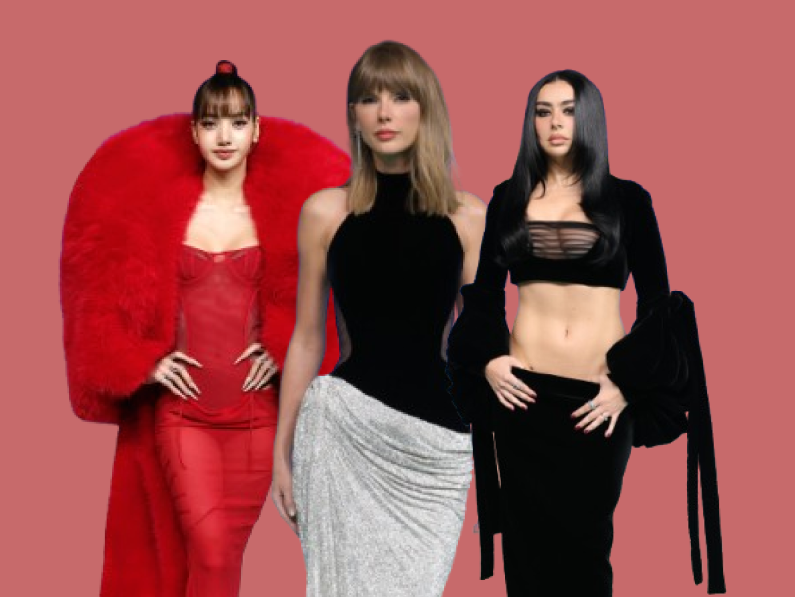
Fashion journalism has devolved into an echo chamber of enthusiastic applause for mediocrity. Every time an award show rolls around, style publications churn out identical slideshows crowning the most predictable, risk-averse celebrities as fashion icons. Take the recent 2026 MTV Video Music Awards. The mainstream fashion consensus rushed to praise the usual suspects—bejeweled naked dresses, safe metallic gowns, and expensive designer rentals that look like they were styled by a focus group of risk-averse corporate consultants.
We need to stop pretending that wearing a multi-million-dollar couture dress that has been pre-approved by a brand's PR team counts as style. The VMAs were built on chaos, subversion, and middle fingers to the establishment. Instead, the red carpet has turned into an extension of a high-end department store catalog.
Let us look past the sycophantic reviews and examine why the celebrated best-dressed lists from the 2026 VMAs represent everything wrong with modern celebrity styling.
The Myth of the Safe Statement
The lazy consensus in almost every major publication’s review of the 2026 VMAs is that elegance and high-shine polish equal good taste. Critics fawned over minimalist
Why Every Best Dressed List at the 2026 MTV VMAs is Complete Garbage
celebs, entertainment, lifestyle
Every single mainstream publication covering the 2026 MTV VMAs just published the exact same list of carbon-copy mannequins, praising stylists who outsourced their brains to mood boards. When traditional fashion critics compile their predictable roundups of the best-dressed celebrities, they reward compliance over courage. They mistake a six-figure rental contract from a French luxury house for genuine personal style.
I have spent over a decade backstage at major awards shows, watching publicists panic over seam stress while real cultural signals get buried beneath safe tulle and predictable tailoring. The lazy consensus of the fashion media is that a great red carpet look requires absolute perfection, zero wrinkles, and total adherence to whatever silhouette Milan or Paris dictated three months prior. That is not style. That is a corporate uniform.
True style at an event like the VMAs has never been about looking like an expensive canvas for a brand ambassador contract. It is about friction. It is about tension. It is about a musician using fabric to disrupt the room rather than blend into the wallpaper.
The Myth of the Flawless Silhouette
The standard internet listicle evaluates red carpet moments through a lens of sterile geometry. Does the hem hit at the right millimeter? Is the jewelry on permanent loan from a historical archive? This approach ignores the core function of MTV's carpet, which has historically been a site of total rebellion. When Rose McGowan stepped out in a chainmail slip or Lady Gaga wore raw meat, they were not trying to secure a commercial contract with a conglomerate. They were communicating a visceral reaction to the pop culture moment.
Consider what happened at the 2026 VMAs. The industry publications showered praise on a fleet of monochromatic column gowns and hyper-polished, architectural menswear that looked like it was rendered in CAD software. The stylists responsible for these looks played it safe because risk management dictates that if you do not offend anyone, you secure the top spot on morning talk show roundups.
This is a complete failure of imagination. When you optimize for zero criticism, you achieve zero cultural impact.
Imagine a scenario where a major headliner shows up in vintage thrift store denim paired with raw, unpolished iron jewelry, directly contradicting the multi-million-dollar jewelry house sponsoring the venue. The mainstream blogs would panic, label it a disaster, and rush to praise the safer, corporate-approved princess gowns instead. Yet three years from now, nobody will remember the sleek column dress. They would remember the disruption.
Deconstructing the Brand Ambassador Industrial Complex
To understand why red carpet fashion has grown so aggressively boring, look at the balance sheets. Modern celebrity style is no longer a personal expression; it is an extension of corporate quarterly earnings reports. Brands sign talent to restrictive contracts that mandate wearing specific collections long before a single note of music is performed.
When a celebrity steps onto the carpet in head-to-toe seasonal runway looks, they are acting as a billboard. The stylist acts as a middleman negotiator between corporate marketing directives and celebrity insecurity. The result is a homogenized sea of safe choices designed to appease risk-averse shareholders in Europe.
I have seen talent managers reject genuinely brilliant, locally designed avant-garde pieces because a luxury house offered a six-figure guarantee to wear a standard-issue gown that had already been seen on four other red carpets that year. The incentive structure rewards obedience, not vision.
How to Actually Evaluate Pop Culture Fashion
If we strip away the PR fluff and the paid endorsements, how should we actually measure whether a celebrity's look works at an awards show like the VMAs?
First, look for intentional dissonance. The best looks create a dialogue between the artist's current musical era and their physical presentation. If an artist releases an aggressive, distorted industrial hyperpop record and shows up in a soft, demure floral ballgown, the styling has failed the music. The visual and the auditory must collide.
Second, evaluate the posture of the wearer. When clothes wear the celebrity rather than the other way around, you can spot the stiffness immediately. A great outfit looks lived-in, even if it is structural art. A bad outfit looks like a straightjacket engineered by committee.
Third, ignore the designer name. If a custom look from an unknown independent creator out-performs a heritage house in terms of visual punch and cultural resonance, the independent creator wins. Period.
The Real Winners of the Night
The artists who actually won the fashion game at the 2026 VMAs were the ones who treated the dress code as a rough draft rather than a binding contract. They embraced texture, subverted proportions, and refused to look like animated lookbooks.
Stop reading the lazy aggregators ranking celebrities by how well their publicists negotiated shoe loans. Look at who made the room uncomfortable. Look at who took a genuine aesthetic gamble.
The next time a major awards show rolls around, do not ask who wore it best according to the corporate style guides. Ask who had the nerve to ruin the party.