The Heroic War Room Myth
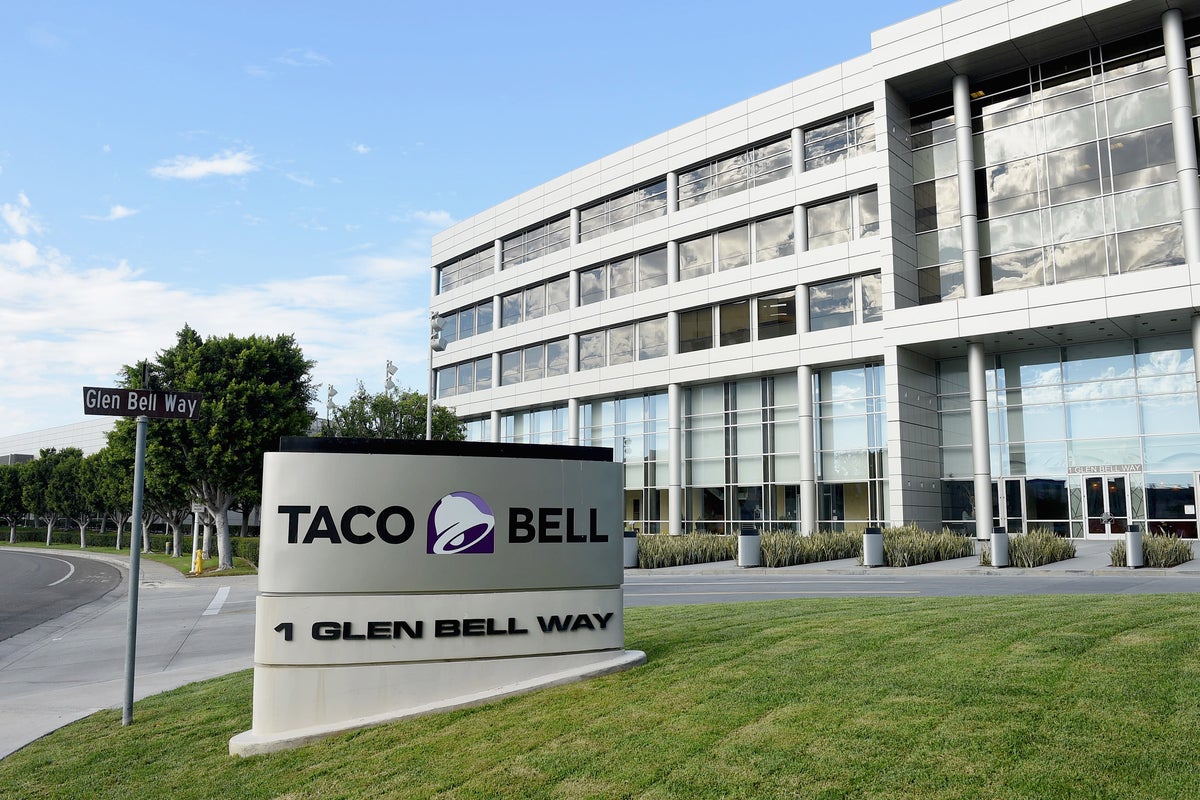
Corporate PR wants you to envision executives in Irvine pulling all-nighters, bravely executing a masterclass in brand protection while dumping contaminated produce down the drain. Media narratives treat this rapid ingredient-purging as a triumph of corporate agility.
That framing is fundamentally broken.
Praising a multi-billion-dollar enterprise for pulling contaminated lettuce after thousands of people contracted parasitic infections isn't celebrating leadership. It’s applauding basic legal risk mitigation. When Cyclospora contaminates supply chains across five states, the scramble in the C-suite isn't a hero's journey; it's the inevitable structural tax of race-to-the-bottom agricultural sourcing.
I have spent years advising supply chain operations and watching corporate crisis responses from the inside. When a chain scrambles to pull ingredients, it is not demonstrating operational prowess. It is exposing systemic fragility.
Supply Chain Consolidation Is the Real Hazard
The mainstream analysis misses the entire point by focusing on the public relations response instead of the structural vulnerability.
Fast-food conglomerates prioritize two things above all else: unit-cost efficiency and razor-thin margin maximization. To hit those targets, quick-service restaurant networks concentrate their purchasing power into a handful of mega-suppliers.
When you source millions of pounds of produce through a single funnel—such as processing plants handling agricultural goods from regional hubs—you build a massive single point of failure.
The Illusion of Decentralization
Most consumers assume fast food risk is local—that a rogue franchisee let produce sit out too long. In reality, modern fast food operates on extreme centralization.
- The Sourcing Bottleneck: A single processor in Mexico or California supplies thousands of locations across different states.
- The Spread: A micro-batch contamination at the washing facility doesn't affect a single town; it paralyzes entire geographical regions overnight.
- The False Economy: Shaving two cents off a bag of pre-shredded iceberg lettuce saves millions annually—until a single outbreak wipes out quarterly earnings and burns consumer trust.
This isn't a surprise event. It is a predictable outcome of hyper-optimized supply chains. If your model relies on centralized processing of delicate produce, contamination isn't a black swan. It is a statistical certainty over a long enough timeline.
The Flawed "People Also Ask" Consensus
When corporate food crises hit, search platforms light up with predictable queries. The public questions themselves reflect a deep misunderstanding of how agricultural logistics operate.
"Why didn't they catch the bacteria before serving it?"
Because mass testing of fresh produce at scale is an illusion.
Agribusinesses do not sample every leaf of iceberg lettuce. They run spot-checks and statistical sampling protocols. Parasites like Cyclospora or bacterial strains like E. coli are not evenly distributed across hundreds of tons of greens. You can run ten tests on a single batch, hit clean samples every time, and still ship a contaminated crate down the line.
Demanding 100% pre-shipment detection on raw agricultural commodities under current mega-farm processing speeds is asking for magic, not science.
"Should fast food chains ban imported produce?"
This question misses the operational mechanics entirely. Domestic supply chains suffer the exact same consolidation vulnerabilities. Swapping an international supplier for a domestic alternative changes the geographical origin on the invoice, but it does zero to fix the structural vulnerability of routing raw vegetables through massive centralized processing infrastructure.
PR Playbooks Don't Fix Contaminated Lettuce
Corporate strategists love to talk about the "Crisis Playbook": speed, empathy, public statements, and social media listening.
That is pure theater.
Empathy statements and social media response teams do not fix agricultural wash-water sanitation. A tweet promising "We take your health seriously" provides zero structural utility.
The Real Cost of "Speedy Response"
When brands boast about clearing inventory in 24 hours, they are highlighting a Band-Aid.
- Waste Creation: Millions of pounds of food are dumped across regions to cover for trace-back uncertainty.
- Franchisee Burn: Independent operators bear the immediate financial shock of empty menu items and plummeting foot traffic.
- Supplier Churn: The brand publicly cuts ties with a supplier, swaps them for another massive processor operating under the exact same industry margins, and pretends the core issue is solved.
Real accountability requires accepting higher unit costs. It means paying for smaller batch processing, localized sourcing networks, and slower line speeds that allow for genuine inspection standards.
How Fast Food Networks Must Actually Pivot
If quick-service leadership wants to stop playing defense every few years, they need to abandon the PR narrative and execute hard operational changes.
- Decentralize Sourcing Nodes: Break up multi-state supplier monopolies. Source produce from diversified regional farming networks to isolate potential contamination zones naturally.
- Slow Down Processing Lines: Ultra-high-speed washing and shredding lines accelerate cross-contamination. Slower throughput means lower risk.
- Accept Menu Volatility: Stop forcing fresh produce onto every item year-round if the supply chain can't guarantee safety during high-risk seasons.
Until quick-service executives choose structural supply chain redundancy over hyper-optimized margins, the Irvine war rooms will keep lighting up, the PR teams will keep issuing identical statements, and consumers will keep taking the hit.
Stop praising the response. Demand a rebuild of the engine.