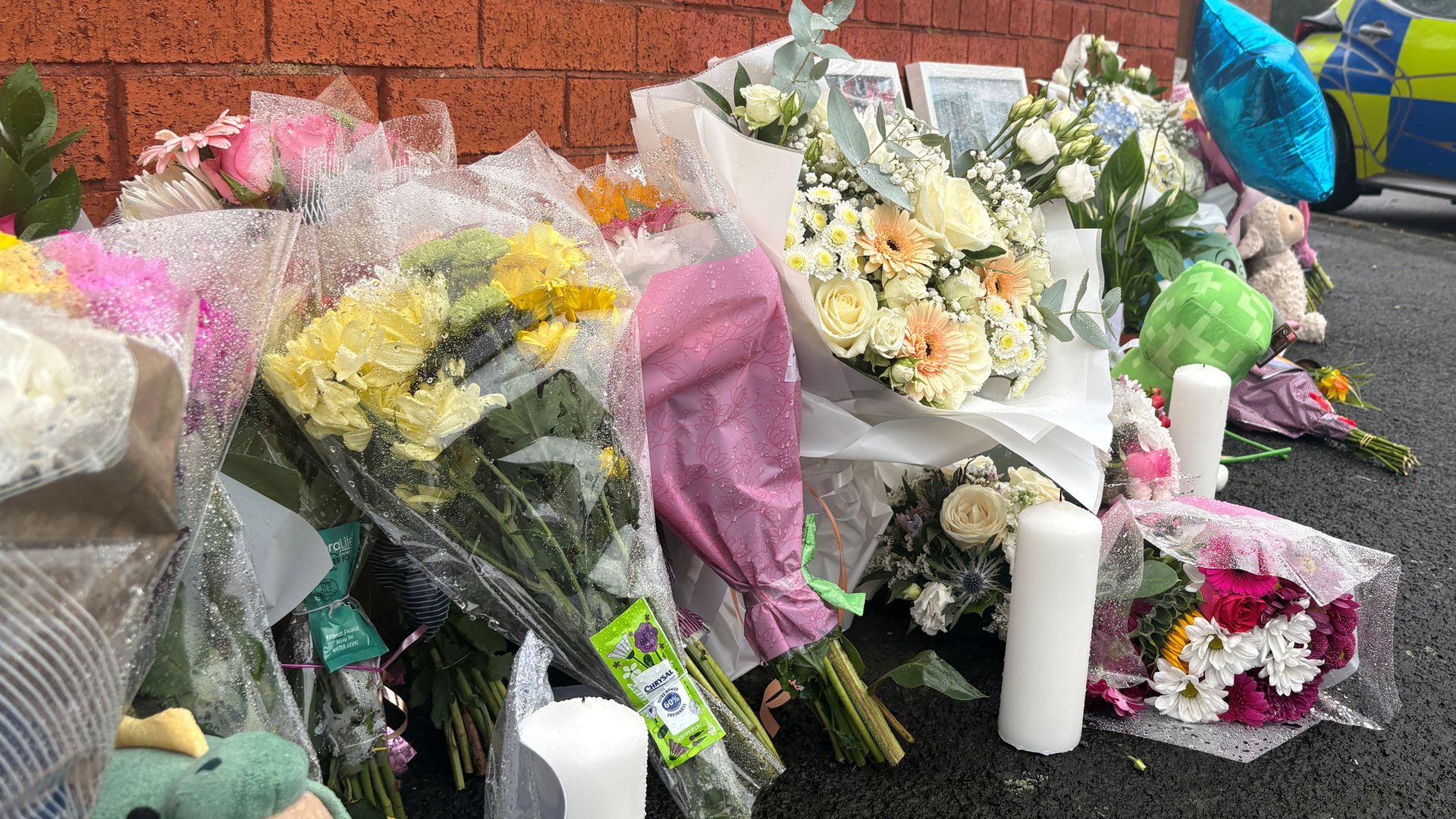
Another press release. Another solemn round of names published. Another community holding candlelight vigils while official bodies launch joint investigations into what caused an intense, rapidly moving fire to tear through a home in Bootle.
The media cycle follows a predictable, lazy script. Outlets publish the names, quote the devastated relatives calling their lost loved ones "loved beyond measure," and then quietly move on to the next breaking headline. We treat residential infernos as isolated grief events, acts of cruel meteorological or mechanical fate that simply drop out of a clear blue sky.
This is a dangerous delusion.
When a mother and three children perish in an early-morning blaze because a house becomes a well-alight death trap within minutes, calling it a tragedy misses the entire point. Tragedies are unavoidable. Structural housing failures, delayed emergency responses, and substandard fire safety infrastructure are entirely avoidable.
I have spent years analyzing municipal infrastructure, urban housing standards, and emergency response data across working-class boroughs in the UK. I have seen local authorities cut corners on property inspections while patting themselves on the back for compliance theater. We do not have a problem with bad luck; we have a systemic crisis of housing neglect wrapped in administrative silence.
Let us dismantle the lazy consensus. The standard news report wants you to focus exclusively on the emotional aftermath. Grief is real, but sentimentality without structural accountability is just a sedative. When public safety officials describe a fire as "intense" and "rapidly spreading," they are using passive language to mask active systemic vulnerabilities.
Why did the fire spread so fast? What were the construction materials of the partitions? What was the average response time of the local fire service against statutory benchmarks? These are questions journalists rarely press because digging into municipal maintenance budgets requires actual investigative work rather than rewriting police statements.
Consider the physical reality of modern residential construction and retrofitting. Many older semi-detached properties across northern industrial towns feature outdated wiring, compromised firebreaks in shared roof spaces, and internal layouts that turn upper floors into smoke-trapped chambers within seconds. When household budgets tighten under crushing economic pressures, preventative maintenance—servicing alarms, checking circuits, upgrading insulation panels—is the first thing that gets dropped.
Yet, the state response remains purely reactive. A tragedy occurs, floral tributes line the pavement, politicians issue standard boilerplate condolences about thoughts and prayers, and safety boards promise a thorough inquiry. Months later, the report is buried, recommendations are shelved due to lack of funding, and the next vulnerable household sits ticking like a time bomb.
If we want to honor families like the Brabins, we have to stop accepting the narrative that residential fires are unpredictable lightning strikes. They are the predictable outcome of underfunded housing stock, lagging regulatory enforcement, and a culture of municipal complacency.
Stop accepting press releases as journalism. Demand public audits of local housing infrastructure, mandatory retrofitting of modern early-warning suppression tech in all multi-occupancy rental and owned homes, and zero tolerance for structural neglect.
The fire didn't just happen. We let it burn.