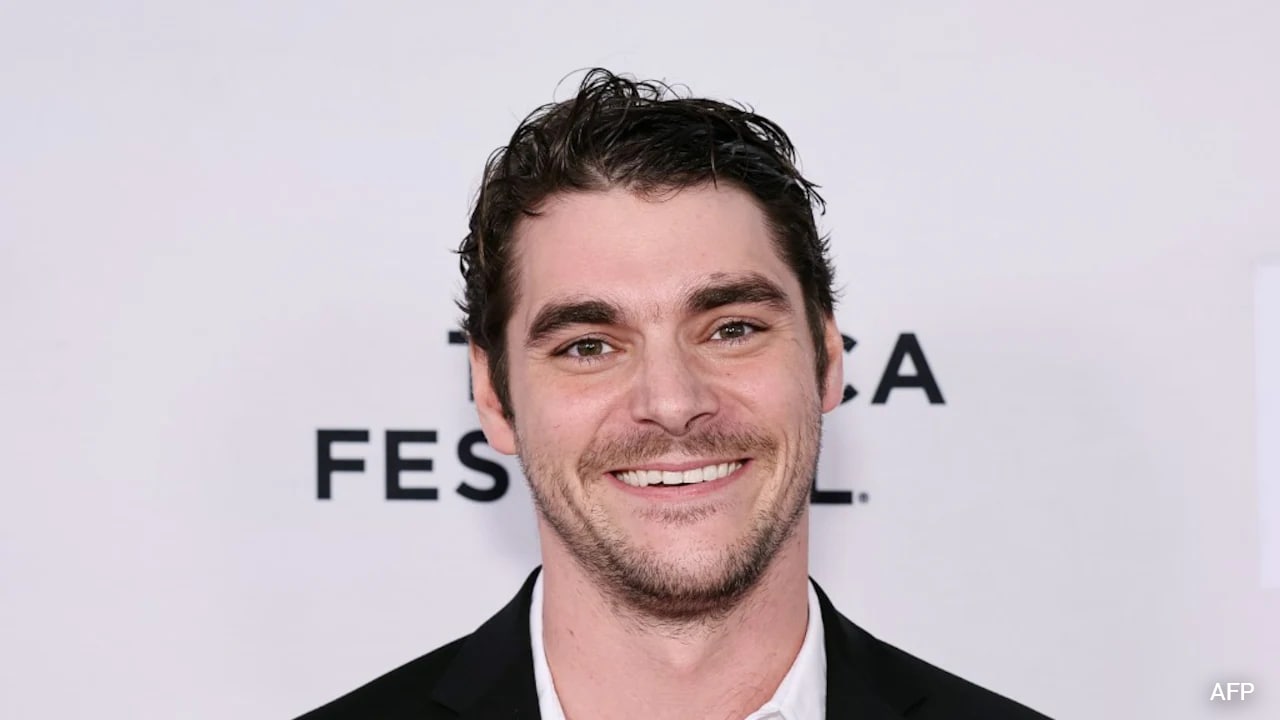
The media machine treats human expiration as an editorial calendar event. When RJ Mitte died at 34, the internet instantly reverted to its default settings. Cue the recycled Breaking Bad clips, the sentimental quotes from co-stars, and the hollow shock-value headlines framing a complex human life through the narrow lens of a television character he played a decade prior.
The lazy consensus across digital entertainment journalism reduces Mitte to a single trivia point: the breakfast-loving teenager from a prestige drama. Obituaries rushed to package his entire existence into an afternoon nostalgia trip for aging millennials, bypassing the actual reality of what it means to transition out of a pop-culture phenomenon while managing lifelong physical realities.
This narrative is not just lazy. It is predatory.
Let us dismantle the myth of the arrested-development child star that media outlets love to project onto anyone who steps away from the spotlight. The public expects former television youth to either remain static monuments of their teenage roles or crash spectacularly so the cheap-seat critics can feel superior. When an actor like Mitte spends years grinding away in independent cinema, advocating for disability representation, and funding community initiatives, the culture ignores the heavy lifting until a tragedy forces them to look. Then, suddenly, everyone is an expert on his mental health, pretending they cared about his trajectory beyond a Reddit thread.
I have watched entertainment conglomerates spend millions manufacturing grief cycles, turning private losses into algorithmic fuel. The standard playbook dictates that you take a complex individual, strip away their adult agency, and frame their entire adulthood as a struggle defined solely by what a casting director handed them at age fifteen.
Mitte was not merely a television artifact. He was a producer, an outspoken activist, and a working actor trying to navigate an industry that loves disability as a cinematic prop until it has to deal with disabled actors demanding structural equity off-screen. By reducing his final days to a shocking headline about his youth, the media erases the very autonomy he spent his life fighting to establish.
Consider a scenario where the entertainment press actually respected dead artists as living, breathing professionals instead of treating their bodies as the final season finale. If we stopped consuming grief as entertainment, editors would be forced to actually report on the systemic pressures facing working-class character actors—the grueling hustle of indie film financing, the predatory nature of promotional circuits, and the isolating reality of public life once the network cameras vanish.
The rush to memorialize people with sentimental platitudes acts as emotional insulation. It lets the audience feel a quick pang of sorrow, retweet a quote from Bryan Cranston, and return to scrolling. It requires zero self-reflection on how pop culture consumes talent and spits out the remnants.
We need to stop buying the packaged mourning. When a public figure passes, the appropriate response is not a wave of performative grief designed to juice pageviews. It is recognizing that an individual's worth extends far beyond the nostalgic comfort they provided your living room couch on a Sunday night.
Stop clicking the retrospective obituaries that treat human pain as a content strategy. Stop pretending that a character on a screen defines the complex, exhausting, brilliant architecture of a real human life. Honor the work, acknowledge the systemic failures of an indifferent industry, and let the dead rest without turning their graves into a traffic spike.