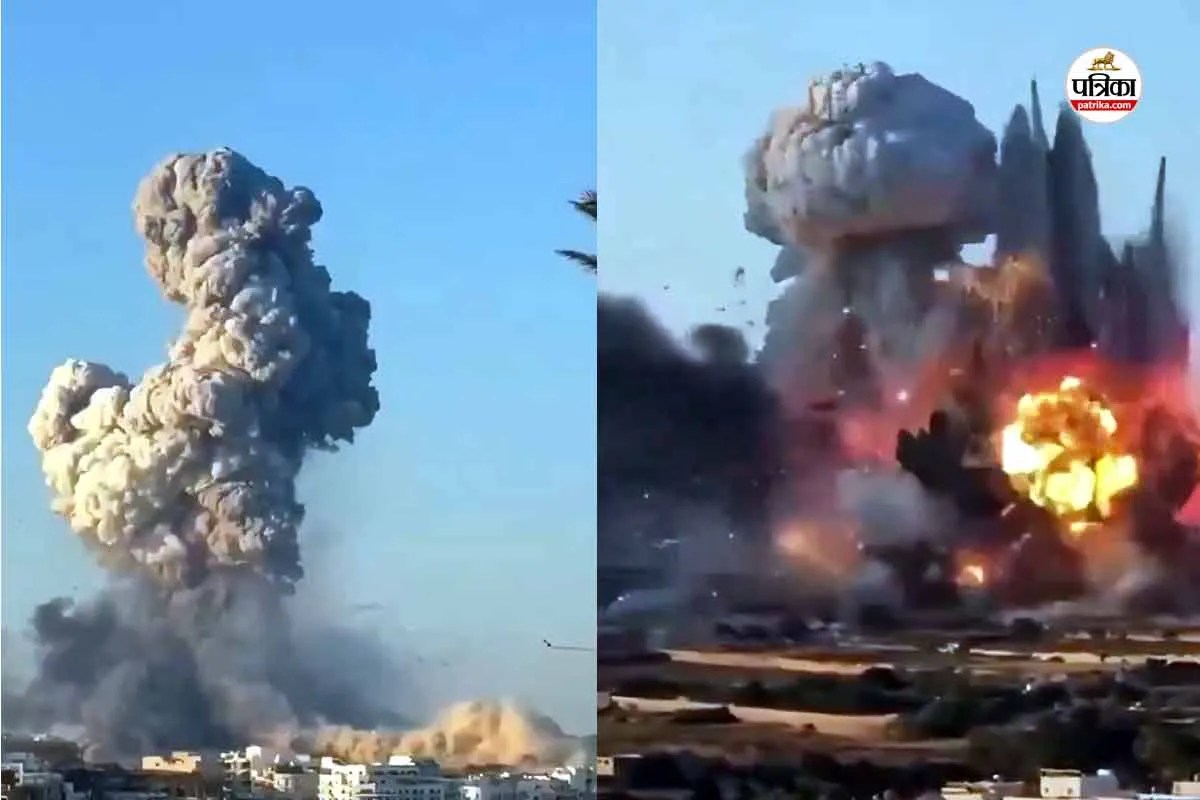
The renewed United States naval blockade intended to choke Iran's economic arteries is hitting severe friction as Tehran deploys a covert network of asymmetric tactics, small-boat maneuvers, and rogue shipping routes to bypass Western restrictions. This shadow operation has turned the Strait of Hormuz into a volatile choke point, sending shockwaves through neighboring Kuwait and Bahrain. Both Gulf nations now find themselves on the front lines of retaliatory missile and drone threats targeting local Western defense installations. Conventional maritime blockades are proving ill-equipped to handle distributed, low-tech maritime smuggling and localized warfare.
The Flaw in Conventional Naval Blockades
Supercarriers, guided-missile destroyers, and advanced aerial surveillance form the backbone of the American presence in the Persian Gulf. Yet, enforcing a absolute blockade across a narrow, congested waterway like the Strait of Hormuz requires more than raw firepower. It demands the ability to identify, track, and intercept hundreds of small, non-descript vessels that blend into the daily background noise of regional trade.
Iran has spent decades preparing for exactly this scenario. Instead of relying on large, easily trackable oil tankers that stand out on satellite imagery, the Islamic Revolutionary Guard Corps (IRGC) uses a distributed network of smaller, modified civilian watercraft and shadow-brokered vessels. These boats travel close to territorial waters, darting between islands and utilizing paths that larger naval warships cannot safely navigate.
By forcing the confrontation into shallow coastal waters, Tehran exploits a significant technological mismatch. A multi-billion-dollar warship cannot easily police dozens of fast-attack craft moving simultaneously in multiple directions. When U.S. Central Command attempts to intercept these vessels, Iran responds not by engaging the American navy directly, but by shifting the tactical pressure onto vulnerable regional neighbors.
Why Kuwait and Bahrain Bear the Brunt
The geography of the Persian Gulf means that any escalation between Washington and Tehran immediately spills over into adjacent territories. Kuwait and Bahrain host critical Western military infrastructure, making them attractive targets for Iranian pressure campaigns. When American forces seize or turn away Iranian-linked tankers, the immediate response from Tehran is often felt in the defense centers of Manama and Kuwait City.
The Threat to Bahrain
Bahrain houses the headquarters of the U.S. Fifth Fleet, making it the most visible symbol of Western naval power in the region. Whenever the blockade tightens, Bahraini air defense systems are forced onto high alert. The Iranian strategy relies on short-range ballistic missiles and loitering munitions launched from coastal positions, designed to saturate regional defense grids. The goal is simple: raise the cost of compliance for Gulf states cooperating with the American embargo.
The Vulnerability of Kuwait
Kuwait faces a similar dilemma. Positioned at the northern tip of the Gulf, its proximity to both southern Iraq and southwestern Iran makes it highly susceptible to indirect fire and drone incursions. By targeting the periphery of Western military operations, Tehran attempts to break the regional coalition supporting the blockade. If the security risks become too high, local governments face intense internal and external pressure to restrict Western access to their bases or demand a de-escalation.
The Shell Game of Rogue Tankers and Ghost Fleets
To keep oil flowing to overseas buyers, Iran relies heavily on a sophisticated shell game involving automated identification system tampering, mid-sea transfers, and flags of convenience. Ships frequently turn off their transponders when entering the Gulf, disappearing from public tracking systems before reappearing days later under different names or cargo declarations.
Consider a hypothetical scenario where a tanker alters its digital signature while anchored near a neutral port, swaps its cargo with a secondary vessel via ship-to-ship transfer in international waters, and then proceeds toward its destination carrying oil logged as originating from a completely different country. This method makes it incredibly difficult for naval commanders to legally justify an interception without risking an international incident involving neutral third-party nations.
Furthermore, the economic incentives for defying the blockade remain high. Disregarded crude oil is sold at steep discounts to buyers willing to absorb the political risk, ensuring that a steady stream of revenue continues to flow back to Tehran despite the presence of Western warships. The financial reward outweighs the danger of vessel seizure, keeping the smuggling networks active and resilient.
The Collision of Transit Routes
The fundamental dispute in the Strait of Hormuz centers on who controls the flow of traffic. The United States and its allies advocate for an international transit corridor that follows the southern lanes closer to the coast of Oman, ensuring free passage for commercial shipping. Iran, conversely, insists that all maritime traffic utilize the northern lanes that run directly through its territorial waters, demanding that vessels secure explicit permission from Iranian authorities before passing.
This disagreement creates an unpredictable operational environment. Commercial shipping companies are caught in the middle, forced to choose between defying American sanctions or risking interception by Iranian patrol boats. The resulting confusion has caused insurance premiums for maritime transport in the Gulf to surge, driving up global energy transport costs regardless of how many actual barrels are stopped by the blockade.
The Failure of Deterrence through Choke Points
Relying purely on a naval blockade to force a political concession from an adversary rooted in asymmetric warfare rarely yields the intended results. When conventional forces tighten the knot, the adversary simply shifts the conflict to a different domain. By threatening commercial shipping, utilizing ghost fleets, and pointing missiles at Kuwait and Bahrain, Iran shows that a localized naval containment strategy cannot succeed in isolation.
The security of the Gulf cannot be guaranteed by warships alone when the underlying political and economic drivers of the conflict remain unaddressed. As long as the shadow trade remains profitable and regional neighbors remain vulnerable to retaliation, the blockade will continue to face diminishing returns, leaving the global energy supply chained to an ongoing cycle of escalation.
:max_bytes(150000):strip_icc():focal(749x0:751x2)/auschwitz-2-691cb034ee9e43cfa45a0969012c6337.jpg)