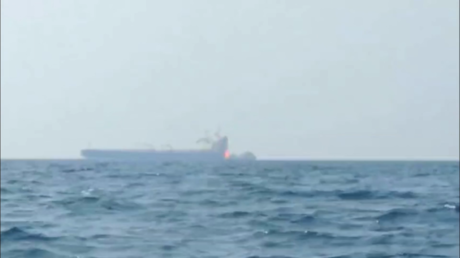
The global energy market lives on a knife-edge every time tensions spike in the Persian Gulf. Right now, all eyes are locked on Tehran and Washington as back-channel negotiations try to break the deadlock over the Strait of Hormuz.
Iran has signaled a willingness to accelerate timelines, floating proposals to reopen the critical shipping lane. But the fine print reveals a high-stakes standoff where Washington and its allies face hard choices. If you think this is just regional posturing, you're missing the wider economic fallout hitting fuel pumps worldwide.
What the Proposal Actually Entails
Tehran's parliamentary and foreign policy committees recently completed expert reviews on a framework negotiated alongside Oman. The plan outlines a temporary joint navigational corridor intended to restore safe passage.
Initially, Iranian officials talked about a one-week window, but discussions quickly compressed that timetable down to just two days under specific conditions.
- Navigational Corridors: Establishing structured shipping lanes managed in cooperation with regional coastal states like Oman.
- De-escalation Steps: Joint mine-clearance operations and structured information sharing to prevent accidental military clashes.
- Hard Demands: The catch is that implementation relies heavily on lifting naval blockades, easing specific oil sanctions, and releasing frozen assets.
Washington has historically rejected sweeping pre-conditions that look like strategic concessions. Yet, the economic pressure of restricted maritime traffic keeps diplomats scrambling for a workable middle ground.
Why Washington and Its Allies Are Hesitating
It sounds simple on paper. Open the strait, let the tankers flow, and lower global energy prices. Realpolitik is rarely that clean.
Accepting Iran's terms means acknowledging a new security architecture in the Persian Gulf. For decades, the US Navy has guaranteed free passage through these waters. Allowing Tehran and regional partners to dictate terms for transit fundamentally alters who polices the world's most vital energy bottleneck.
Gulf states like Saudi Arabia are watching closely. A formal, recognized shipping agreement that gives Iran co-management status over Hormuz shifts the balance of power permanently. That's why negotiations crawl forward amid periodic military posturing and retaliatory strikes.
The Real Impact on Your Daily Life
You might wonder how a narrow stretch of water thousands of miles away affects you. The math is brutal. Roughly a quarter of the world's seaborne oil and a massive share of liquefied natural gas transit this exact corridor.
When traffic drops or insurance premiums skyrocket, the cost gets passed down immediately.
- Fuel prices at the pump jump within days.
- Manufacturing and shipping expenses rise across global supply chains.
- Consumer goods get more expensive because moving freight costs more.
Even with some tankers finding alternative routes or operating under naval escorts, the market hates uncertainty. A lasting diplomatic framework isn't just about geopolitics—it's about stabilizing the cost of living for millions of households.
Keep a close eye on how mediators in Oman and Qatar handle the next round of technical talks. The gap between a temporary corridor and a permanent treaty remains wide, but the urgency to bridge it has never been higher.