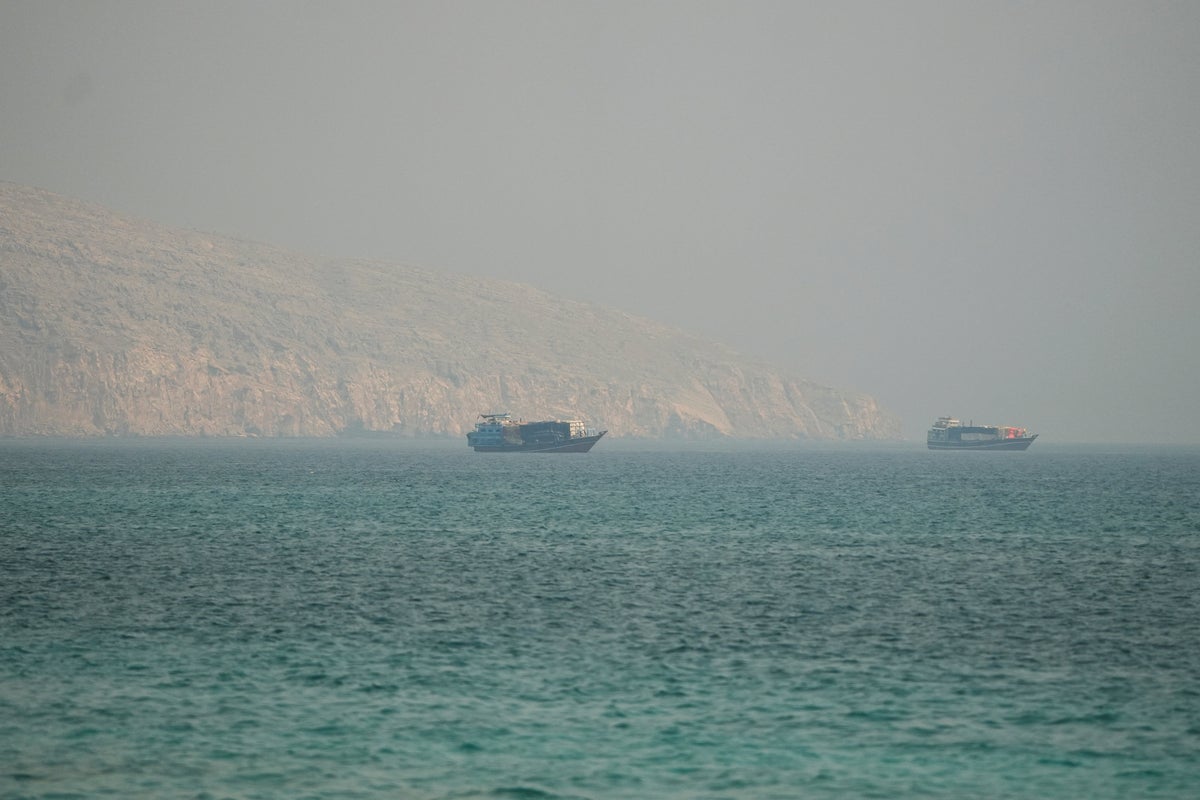
The media elite loves a clean, linear narrative. If global trade stumbles, they need a singular villain, a sloppy signature on a piece of paper, and a neat timeline that connects the two.
We are currently witnessing this exact brand of lazy analysis regarding the recent disruptions in the Strait of Hormuz. The current consensus blames a single, vaguely worded clause in Trump’s regional peace framework for unleashing maritime chaos. The argument goes like this: because the text lacked strict enforcement mechanisms on shipping corridors, it created a legal vacuum that hostile state actors instantly exploited.
This diagnosis is completely wrong. It is a fundamental misreading of how global logistics, state deterrence, and maritime law actually operate.
The chaos in the Strait of Hormuz was not triggered by a vague clause in a diplomatic document. It was triggered by the systemic failure of Western shipping conglomerates to manage their own risk, coupled with a deliberate refusal by international naval coalitions to project hard power. Blaming the text of a treaty is a convenient shield for corporate cowardice and political hesitation.
Let us dismantle the premise entirely.
The Legal Myth of the Flawless Treaty
Foreign policy commentators write about international law as if it operates like a domestic small claims court. They believe that if you just tighten the definitions, specify the coordinates, and draft airtight clauses, bad actors will suddenly comply.
This is a fantasy. In the real world, the wording of a deal is only as strong as the kinetic power backing it up.
Consider the United Nations Convention on the Law of the Sea (UNCLOS). It contains some of the most meticulously drafted language in human history regarding transit passage through international straits. Yet, state-backed militias and rogue navies routinely harass tankers right outside the territorial waters of Oman and Iran. Why? Because the perpetrators know that a strongly worded letter from a committee will not sink their fast-attack craft.
The clause in Trump’s framework did not create a loophole. The loophole already existed because the international community has spent a decade signaling that it has no appetite for sustained maritime engagement. When you tell the world you want to pivot away from the Middle East, regional players do not read your treaties to find semantic gaps; they simply look at your naval deployment schedules.
The Transfer of Risk from Balance Sheets to Governments
For decades, the global shipping industry enjoyed an unprecedented free ride. Private maritime operators built massive supply chains, pocketed historic profits, and outsourced 100% of their security costs to the taxpayers of Western nations. The U.S. Navy and its allies functioned as a free, global private security firm for commercial tankers.
When the framework agreement altered the geopolitical calculus, it forced regional powers to test boundaries. The correct response from the private sector should have been an immediate re-evaluation of maritime insurance, route diversification, and private security investments.
Instead, major shipping lines did what they always do: they froze. They waited for government escorts, cried foul to the press, and blamed the diplomatic landscape.
I have spent years analyzing supply chain resilience, and I have seen boardroom executives blow millions of dollars trying to predict political winds rather than hardening their actual operations. The vulnerability in the Strait of Hormuz is a design choice by shipping companies that prioritized wafer-thin margins over operational security. They chose to rely on a volatile choke point because it was cheap, and now they want to blame a politician's pen for the inevitable invoice.
Dismantling the De-escalation Fallacy
The most dangerous idea circulating right now is that the solution to the Hormuz crisis lies in renegotiating the agreement to add "robust" guardrails.
This approach ignores the basic rules of deterrence. In asymmetric conflict, any attempt to patch a treaty through diplomacy is viewed by your adversary as a sign of weakness. If a state actor disrupts a shipping lane and your response is to invite them back to a European capital for a fresh round of drafting, you have just validated their strategy. You have shown them that economic disruption yields diplomatic leverage.
Imagine a scenario where a commercial logistics company decides to completely bypass the Strait, routing goods through overland rail corridors across Saudi Arabia to the Red Sea, or utilizing the expanded ports of Oman outside the Persian Gulf. It sounds expensive. It sounds logistically painful. But it strips the adversary of their leverage entirely.
True security does not come from a perfectly negotiated text. It comes from rendering the contested geography irrelevant.
The Brutal Reality of PAA Queries
If you look at what people are asking across the industry, the confusion is rampant.
- Does the peace deal violate maritime law? No. Maritime law is an abstract framework until a nation decides to deploy a destroyer to enforce it. The deal changed political alignments; it did not rewrite international waters.
- How can companies protect their cargo in the Strait? Stop relying on the illusion of state protection. Insist on private armed security details, invest in hull hardening, and price the risk directly into the freight rates. If the route is too dangerous, stop sailing it until the economics reflect the hazard.
The industry wants a magic bullet that allows them to continue operating in a high-risk zone with low-risk costs. It does not exist.
The Price of Cowardice
The uncomfortable truth is that the current anarchy in the Strait of Hormuz is exactly what the global market deserves for decades of complacency. We built a just-in-time global economy that relies on a 21-mile-wide strip of water controlled by hostile regimes, and then we acted shocked when a diplomatic shift upset the balance.
The downside to this perspective is clear: recognizing this reality means admitting that consumer goods will become more expensive. It means accepting that shipping lanes must change, that insurance premiums must skyrocket, and that some routes are simply unviable without active military escorts.
But continuing to blame a vague clause in a years-old peace deal is an exercise in futility. It allows politicians to dodge accountability for their lack of military resolve, and it allows shipping executives to dodge accountability for their structural cheapness.
Stop looking at the text of the treaty. Look at the water. The vessels are vulnerable because their owners refused to protect them, and the adversaries are aggressive because they know no one is going to shoot back. Everything else is just noise designed to protect corporate balance sheets.