Every time a headline flashes about a ship strike or a flare-up in the Strait of Hormuz, financial news networks and geopolitical pundits run the exact same panic script. They dust off stock imagery of burning tankers, quote anonymous defense analysts warning of a global economic chokehold, and predict crude oil prices skyrocketing past two hundred dollars a barrel. It is lazy, predictable theater designed to harvest clicks from anxiety.
The lazy consensus says that a single regional skirmish at this narrow maritime bottleneck spells immediate doom for global commerce because roughly twenty percent of the world's petroleum passes through its waters. This narrative treats the global supply chain as a fragile glass house waiting for a single pebble to shatter it.
The reality is far more resilient, and far more boring to the people selling doom. Markets adapt, routing shifts, commercial operators calculate risk premiums rather than abandoning trade entirely, and energy reserves buffer shocks long before panic translates into permanent structural failure.
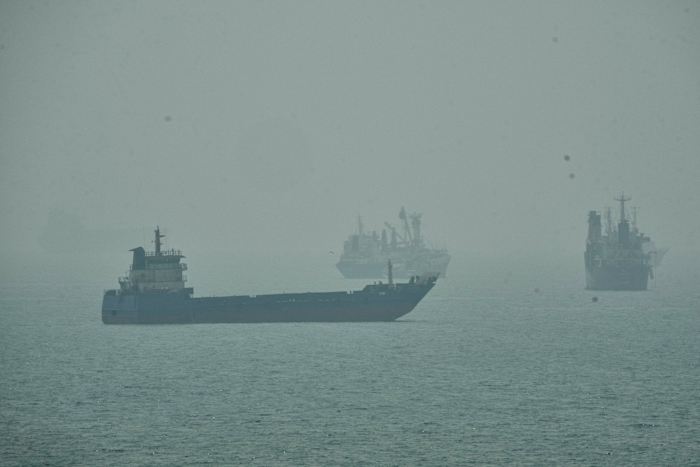
Let us look at the mechanics of maritime choke points. When a localized incident occurs, the immediate reaction from risk management teams across global shipping conglomerates is not to throw their hands up and halt all trade. It is a rapid recalculation of insurance rates, vessel tracking protocols, and alternative corridors. Tankers do not simply vanish from existence because a missile or drone hits a hull. They pause, they reroute, or they wait for naval escorts.
Furthermore, treating the Strait of Hormuz as a single point of absolute failure ignores the redundancy built into modern energy infrastructure. Pipelines bypass high-risk maritime lanes entirely, granting producers alternative ways to pump product to open water. While these alternate routes carry capacity limits, they function as vital pressure release valves during moments of heightened tension.
The financial media loves to treat oil traders like emotional toddlers who react to every loud noise by bidding crude to the moon. In truth, modern commodities markets are sophisticated clearinghouses for geopolitical risk. They price in the probability of disruption, not just the worst-case fantasy dreamed up by a television anchor. When a strike happens, the initial price spike is almost always a liquidity adjustment driven by algorithmic trading and short-term speculation, not a sober reflection of lost barrels.
Consider the strategic reserves held by major economies. The International Energy Agency member countries maintain hundreds of millions of barrels of emergency stocks specifically designed to smooth out temporary supply disruptions. If a regional conflict threatens to choke off exports for weeks or months, these reserves flood the market, capping runaway price inflation before it can paralyze industrial output.
Yet, acknowledging these safety valves ruins the dramatic tension. Pundits prefer to frame every regional flare-up as an unprecedented existential crisis because fear converts into ad revenue. They ignore the historical precedent that energy flows have survived decades of regional conflict, tanker wars, and diplomatic standoffs without ever triggering the apocalyptic economic collapse promised by cable news segments.
This is not to minimize the human cost or the very real danger faced by mariners navigating contested waters. Security threats in the Persian Gulf are serious operational challenges for shipping lines. But confusing a tactical security incident with the total collapse of global energy trade is analytical laziness.
When you read breathless reports about the Strait of Hormuz bringing the world to its knees, remember who benefits from that panic. The speculators profit from the volatility, the media profits from the clicks, and the politicians profit from the manufactured urgency.
Stop buying the narrative that the global economy hangs by a single maritime thread. It does not. The system is hardened, diversified, and vastly more adaptable than the headlines suggest.
Ignore the noise, watch the actual volume of tonnage moving through alternative channels, and stop mistaking theatrical panic for economic reality.