Geopolitics and grim local jurisprudence rarely intersect on a single news index by accident. When Beijing formally thrust its high-altitude, long-endurance WZ-7 Soaring Dragon reconnaissance drone into operational drills near contested maritime flashpoints like Scarborough Shoal, it signaled a calculated escalation in regional surveillance capabilities. Simultaneously, the grueling courtroom proceedings regarding the murder of Hong Kong socialite Abby Choi laid bare dark threads of human friction, financial disputes, and legal friction inside the SAR's judicial system. These two disparate events share a common denominator: the projection of hard power and state control, whether across contested seas or through the unyielding machinery of the criminal justice system.
Eyes in the Sky over Contested Waters
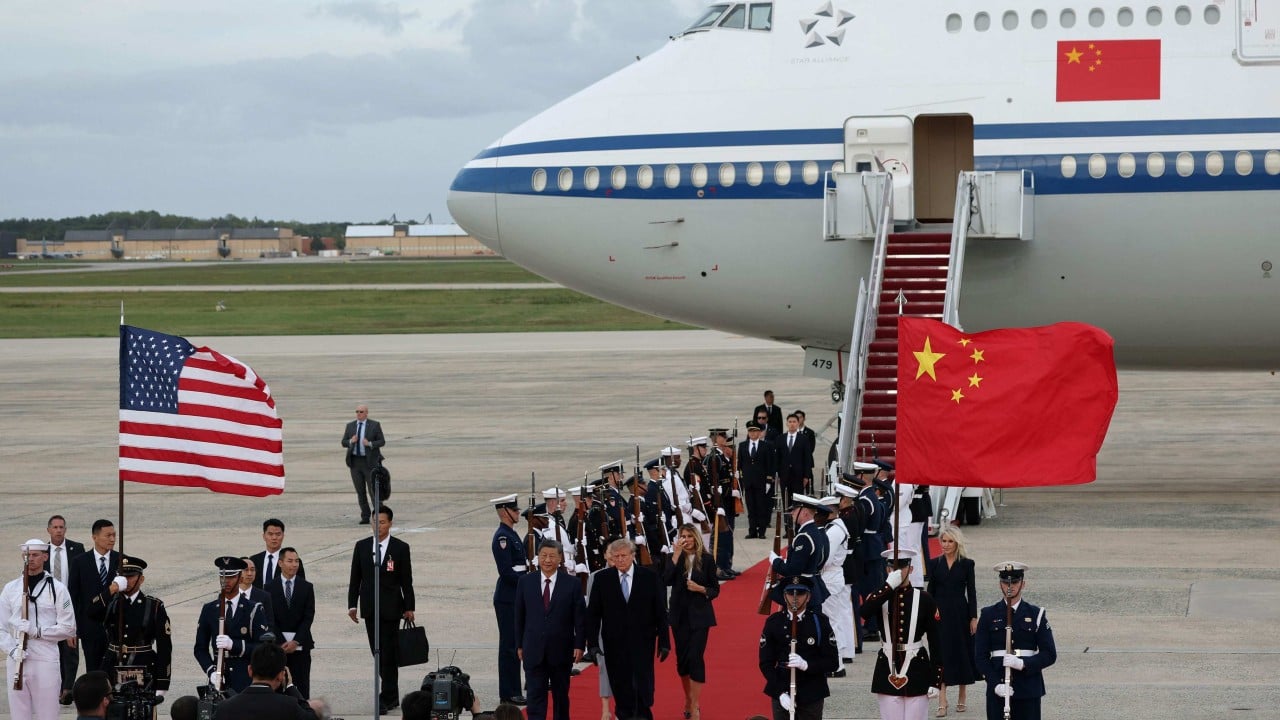
The introduction of the WZ-7 Soaring Dragon to active frontline patrols marks a distinct shift in aerial reconnaissance doctrine. Characterized by its unique joined-wing tandem configuration, this high-altitude platform is built for prolonged loiter times and continuous high-resolution telemetry gathering. In other updates, read about: Stop Falling for the Myth That Modi Can Solve the Ukraine War.
Strategic analysts often miss the operational constraint that drives such deployments. Satellites offer predictable orbital windows, and traditional manned aircraft face severe crew fatigue limits during extended maritime patrols. The WZ-7 bridges that gap. By stationing these assets near strategic maritime choke points, operational commanders obtain persistent, real-time tracking of foreign naval movements without risking crewed platforms.
This hardware upgrade is not merely about spotting hulls on the horizon. It represents an integrated electronic warfare posture. The drone feeds data directly back to command hubs, shortening the sensor-to-shooter loop in any potential theater engagement. It transforms passive observation into an active, continuous web of deterrence. USA Today has provided coverage on this fascinating issue in extensive detail.
The Courtroom Calculus
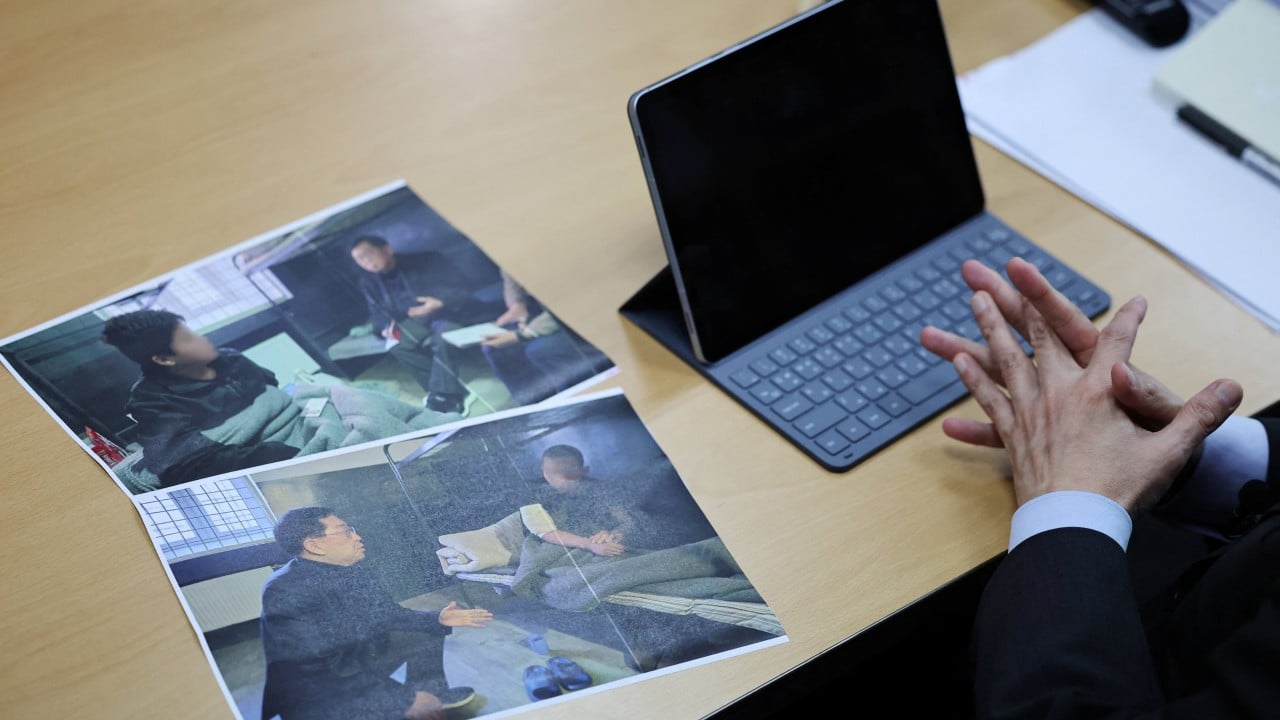
Far from the maritime theater, the ongoing legal battles surrounding the Abby Choi case have gripped public attention, exposing raw nerves within Hong Kong society. Beyond the sensationalist headlines that inevitably follow high-profile homicides, the trial has evolved into a meticulous dissection of personal relationships, financial entanglements, and property disputes.
Recent court sessions highlighted fierce testimonies and flat disputes over property ownership and personal dynamics that predated the tragedy. Defense teams and prosecutors continuously clash over the interpretation of financial transfers and familial control. This structural friction inside the courtroom demonstrates how rapidly wealth, intimacy, and familial obligation can mutate into lethal volatility under systemic financial pressures.
Legal observers note that high-profile criminal trials in Hong Kong carry a dual burden. They must satisfy public demands for absolute transparency while operating within a common law framework that insists upon rigorous, uncompromised evidentiary standards. Every contradiction in witness testimony becomes a battleground, turning the courtroom into a high-stakes arena where narrative control matters as much as physical evidence.
The Convergence of Surveillance and Accountability
Looking closely at these parallel developments reveals an underlying theme of modern governance. States and institutions are tightening their grip on visibility. In the airspaces of the South China Sea, technology ensures that fewer movements escape notice. Inside the courtrooms of urban centers, digital footprints, financial audits, and forensic accounting drag private lives into glaring public focus.
Whether tracking maritime sovereignty via high-altitude unmanned aerial vehicles or parsing text messages and property deeds in a murder trial, the mechanisms of exposure have grown relentlessly efficient. Privacy shrinks as observation scales upward. The true narrative is not just about a drone in the sky or a dispute in a courtroom; it is about a world where hiding from systemic scrutiny has become nearly impossible.