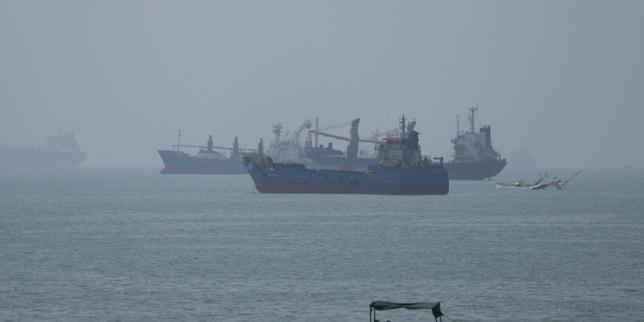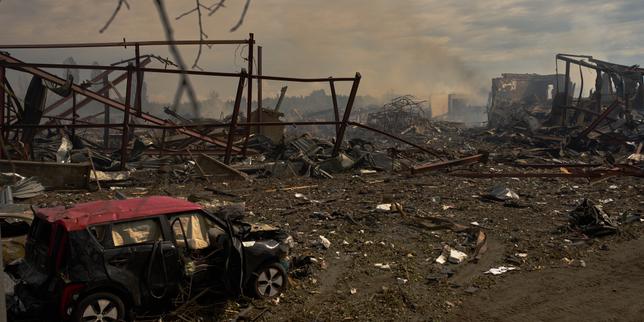
The quiet phase of the conflict just ended with a loud explosion on Larak Island. American military forces struck two Iranian rocket launchers after intelligence caught the Islamic Revolutionary Guard Corps setting up sea mines. If you thought the standoff in the Persian Gulf was cooling down, this strike proves you wrong.
For roughly a month, direct military engagement between Washington and Tehran had stalled. The Trump administration leaned heavily into financial pressure, secondary sanctions, and a strict naval blockade instead of dropping ordnance. That strategy shattered when aerial surveillance spotted IRGC personnel prepping rockets to seed the narrow shipping lane with destructive naval mines.
What Actually Happened on Larak Island
U.S. Central Command didn't wait for the mines to hit the water. American forces targeted the rocket installations directly on Larak Island, sitting squarely inside the strategic waterway. According to U.S. officials speaking anonymously on sensitive operations, the pre-emptive move came right on the heels of a massive naval operation to clear lingering mines from the vital trade route.
Roughly 20 percent of global oil supplies move through this chokepoint. When Tehran threatens the shipping lane, global energy markets panic. President Donald Trump warned weeks ago that any vessel or team attempting to drop new mines would face immediate and systematic destruction. Sunday's strike delivered on that exact threat.
The Immediate Iranian Response
Tehran didn't absorb the blow quietly. State media and regional reports confirmed that the Revolutionary Guards retaliated quickly, launching ballistic missiles toward American military installations in Jordan. The back-and-forth cycle shows how fragile the security situation remains across the Middle East. Iranian state outlets reported casualties among their personnel, and hard-line military spokespersons vowed severe punishment for the aggression.
This is the grim reality of the ongoing six-month campaign. Every time Washington tries to pivot away from kinetic strikes and toward economic isolation, local provocations drag American forces right back into active combat.
The Strained Military Reality Behind the Headlines
Beyond the flashing news alerts, a quieter crisis is brewing inside the Pentagon. The blistering operational tempo since February has pushed U.S. military resources to their absolute limits. Munition stockpiles are shrinking, and service chiefs recently warned Defense Secretary Pete Hegseth that sustaining this level of deployment risks the nation's readiness elsewhere in the world.
Troop fatigue is real. Paratroopers from the 82nd Airborne Division just learned their grueling Middle East deployments are being extended to a full year. Commanders know these extended tours break morale and weigh heavily on military families, yet the strategic demand to keep the Persian Gulf open forces Washington's hand.
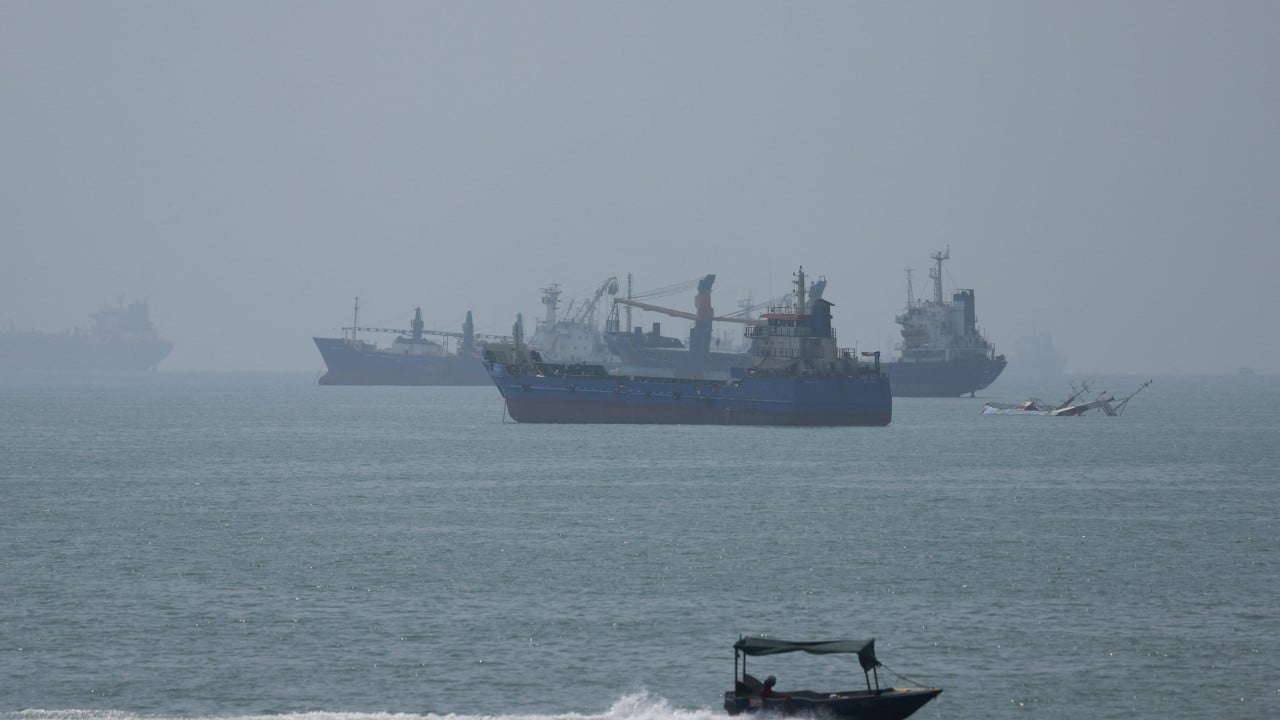
Commercial shipping companies aren't buying the official narrative that the strait is entirely safe either. Even though the U.S. Navy cleared the initial debris, daily vessel traffic sits at a fraction of pre-war volumes. Insurance rates are too high, and the threat from hidden mines or asymmetric drone attacks keeps most cargo captains far away from the coast.
Keep a close eye on the shipping data and insurance rates coming out of the Persian Gulf over the next week. Those commercial numbers tell the real story of whether the Strait of Hormuz remains open or if the latest military escalation has choked off global trade for good.
:max_bytes(150000):strip_icc():focal(999x0:1001x2)/dax-shepard-kristen-bell-emmy-awards-101725-84c11999ef38483e8535a5e109735a38.jpg)