Macroeconomic vulnerability to bilateral trade interventions depends less on aggregate export volume and more on industry-specific structural concentration. When provincial leaders evaluate trade shocks, broad percentage metrics mask severe micro-level friction. The recent U.S. trade policy adjustments, characterized by targeted escalations and selective exemptions, present a diagnostic case study in asymmetric economic exposure.
Evaluating the true friction of these trade maneuvers requires separating aggregate provincial comfort from sector-specific vulnerability. For another view, consider: this related article.
The Composition of Trade Exemption
Provincial trade assessments often anchor on the baseline reality that a significant majority of total export value remains unburdened by new duties. In the case of Saskatchewan, leadership points to an estimated ninety-four percent of exports maintaining tariff-free access. However, aggregate safety figures obscure micro-level penalization. Related reporting on this trend has been published by The Motley Fool.
- The Exempted Core: Bulk commodities, energy resources, and primary agricultural staples continue to clear the border under prior terms. These sectors benefit from deep supply-chain integration where American refiners and manufacturers lack immediate domestic substitutes.
- The Penalized Margins: Specific localized industries face punitive levies. Honey and wooden furniture producers absorb direct cost increases, compressing operating margins since their products face elastic consumer demand in destination markets.
- The Selective Relief: Reciprocal adjustments remove tariffs from industrial inputs like road salt and electrical panels. This creates a bifurcated internal economy where certain manufacturing supply chains experience cost relief while adjacent retail sectors absorb heavy penalties.
The Cost Function of Retaliatory Surcharges
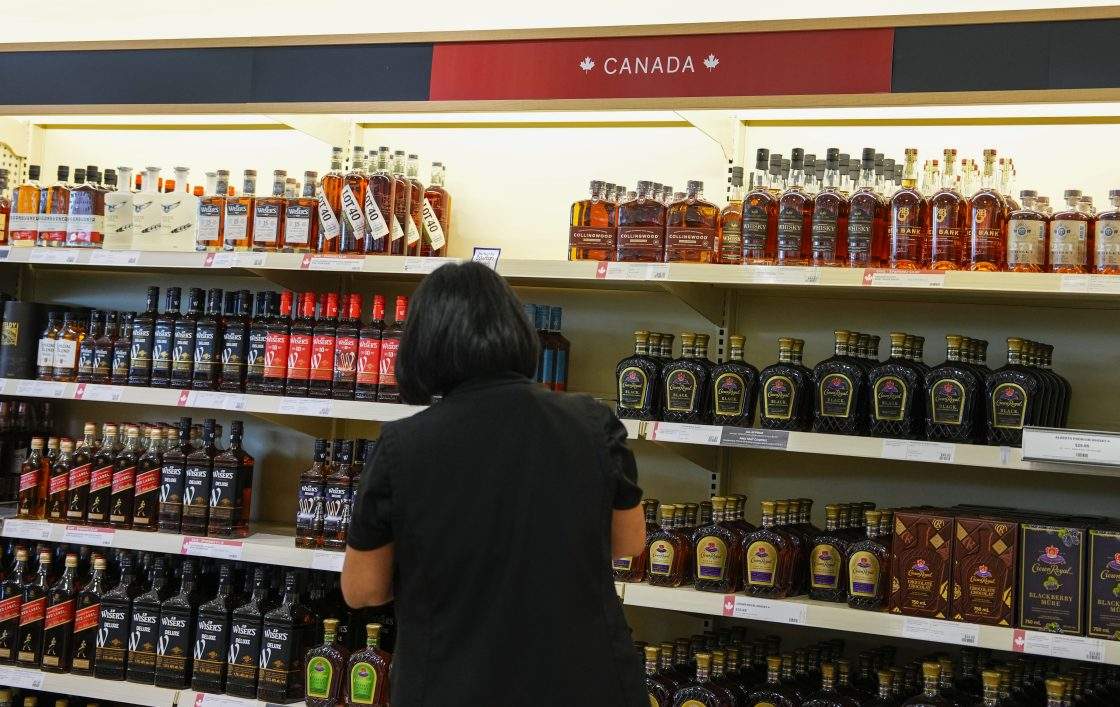
Bilateral trade disputes operate through reciprocal friction. The imposition of a fifty percent provincial surcharge on American alcohol imports functions as a localized protective mechanism while simultaneously triggering retaliatory executive orders from Washington.
- Demand Destruction: Provincial liquor authorities note steep declines in American alcohol volume as price-switching accelerates toward domestic alternatives.
- Retaliatory Targeting: In response to provincial alcohol levies, the U.S. administration implements targeted import bans covering specific categories like dairy items, motorcycles, and regional beverages.
- Input Cost Contagion: Even enterprises that export zero finished goods across the border find their cost structures inflated. Local distilleries and agricultural producers rely on specialized U.S. machinery components, creating imported inflation through secondary supply chains.
Uncertainty as an Economic Tax
Beyond direct duty calculations, trade volatility introduces a psychological overhead that alters capital allocation. Economic actors postpone expansion decisions when regulatory parameters shift unpredictably. Hospitality operators, equipment distributors, and logistics providers operate in an environment where margin forecasting becomes impossible over a rolling thirty-day horizon. This friction suppresses private sector fixed investment independently of whether a specific good faces a zero or fifty percent duty.
Strategic Resource Diversification
Mitigating external trade dependency requires deliberate structural realignment of export destinations. Long-term economic stability relies on building commercial pathways outside the North American corridor.
- Capitalize on Domestic Substitutions: Encourage regional procurement shifts to insulate local retail and hospitality networks from cross-border pricing shocks.
- Isolate Primary Resources from Retaliation: Maintain strict resistance against export duties on foundational raw materials like potash or energy, preserving long-term international trust as a reliable supplier.
- Deploy Targeted Liquidity: Direct provincial stabilization funds toward sub-sectors experiencing disproportionate margin compression rather than broad-based subsidies.
Scott Moe reacts as US-Canada trade talks fall apart ...
This video provides context regarding the breakdown of U.S.-Canada trade negotiations and the initial imposition of tariffs that triggered the regional trade responses.