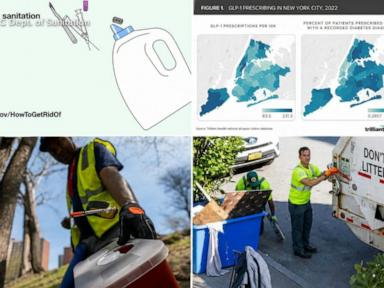
The exponential expansion of glucagon-like peptide-1 receptor agonist prescriptions has outpaced municipal waste infrastructure, producing an acute occupational hazard for frontline sanitation workers. While pharmacological innovation has accelerated distribution, the downstream logistics of single-use auto-injector disposal remain governed by fragmented municipal rules and consumer friction. This structural mismatch transforms a specialized medical waste management challenge into an unmanaged municipal liability, driving measurable increases in accidental needle-stick injuries.
The core failure resides in the transition of high-volume sharps from clinical environments to decentralized residential streams. Historically, injection-dependent therapies such as insulin were concentrated within specific demographic segments, familiar with regulated sharps protocols. The modern proliferation of multi-indication metabolic treatments broadens the consumer base into a mass market unaccustomed to biohazard handling. When millions of users simultaneously adopt weekly self-injection regimens without mandatory, standardized containment frameworks, the household refuse stream becomes structurally compromised.
The Three Failure Points of Current Municipal Waste Architecture
The vector of occupational injury among waste collectors is maintained by three distinct operational friction points:
- Absence of Point-of-Sale Containment Integration: Prescribing channels, telehealth platforms, and dispensing pharmacies treat the delivery of the therapeutic molecule as a terminal transaction. The physical delivery mechanism—the auto-injector housing an exposed or concealed steel needle—is decoupled from mandatory containment infrastructure. Consumers receive medication without concurrent, verified sharps disposal architecture.
- Regulatory Fragmentation and Information Asymmetry: Municipal disposal directives vary across adjacent jurisdictions. Some municipalities mandate FDA-cleared hard-plastic containers, others permit heavy-duty household detergent bottles, and many provide conflicting or ambiguous guidance. This information vacuum produces compliance fatigue, resulting in users defaulting to baseline convenience: tossing pens directly into flexible residential refuse bags.
- Manual Material Handling Vulnerabilities: The physical mechanics of municipal waste collection rely heavily on manual handling of uncontained bags, residential bins, and open-top containers. When a rigid, spring-loaded auto-injector pierces thin polyethylene waste bags during compaction or manual loading, it exposes sanitation personnel to localized puncture events.
The Economic and Operational Cost Function
Municipalities absorb the externalized costs of this friction. In dense urban jurisdictions, sanitation departments have documented compounding annual increases in needle-stick incidents. Each incident triggers a standardized clinical response protocol: immediate baseline blood-borne pathogen screening, post-exposure prophylaxis evaluations, psychological stress management, and potential workforce lost-time hours.
The financial liability is compounded by the structural difficulty of enforcing consumer compliance. Increasing financial penalties for improper disposal—such as municipal fine escalations—operates as a reactive deterrent with low efficacy in the absence of accessible collection alternatives. Fines punish the symptom without altering the baseline cost-benefit ratio for a consumer attempting to discard a bulky plastic pen in cramped residential settings.
Structural Interventions Required for Waste System Stability
Resolving the hazard requires shifting the operational burden away from the end consumer and embedding waste custody directly into the product lifecycle.
First, Extended Producer Responsibility mandates must be applied to combination drug-device products. Manufacturers of injectable metabolic therapies should be legally required to bundle certified, postage-paid mail-back sharps containers or localized return vouchers directly with the initial prescription fulfillment.
Second, the point of dispensing must double as the point of collection. Pharmacies possessing retail footprints are uniquely positioned to manage reverse logistics for medical waste. Establishing universal, frictionless drop-off infrastructure at retail dispensing sites leverages existing supply chain return loops, eliminating the ambiguity of municipal disposal rules.
Third, municipalities must accelerate the transition toward fully automated collection systems. Mechanical arms, secure containerization mandates, and automated side-loader trucks isolate workers from direct contact with residential refuse, neutralizing the physical interface where needle-stick injuries occur.
Until the supply chain accounts for the end-of-life vector of every distributed injector pen, sanitation workers will continue to bear the physical cost of uncoordinated pharmaceutical scaling.