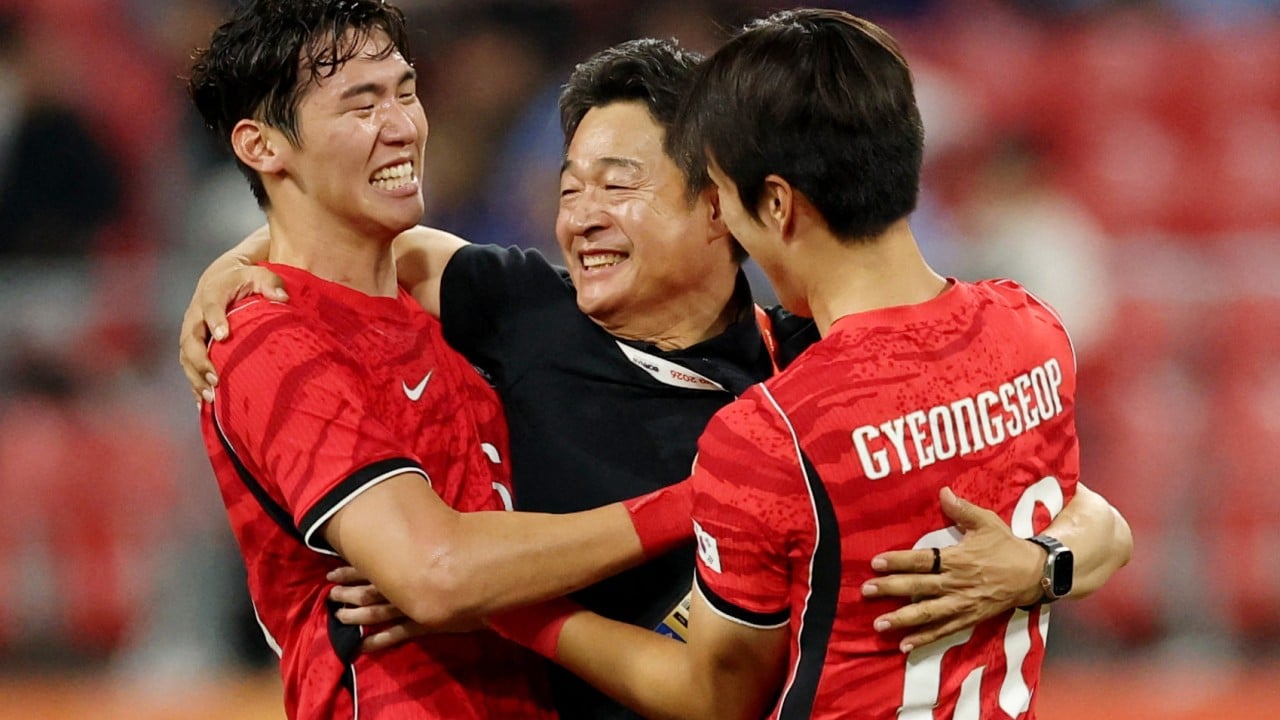
South Korea faces an acute structural contraction in military manpower. As active-duty troop numbers decline from roughly 560,000 to projections dropping far below the threshold required for sustained defense, the statutory mechanisms governing mandatory conscription face unprecedented scrutiny. The friction point centers on a persistent policy asymmetry: elite athletes and traditional classical artists can secure total exemptions from active duty through specific competitive victories, while global cultural exports, such as the members of the pop group BTS, must fulfill their military obligations regardless of their macroeconomic and soft-power contributions.
This dichotomy exposes a profound misalignment between twentieth-century statecraft and twenty-first-century economic realities. Analyzing this crisis requires deconstructing the incentive structures, the demographic pressures, and the operational inefficiencies embedded within South Korea's current conscription framework.
The Economic and Cultural Valuation Mismatch
The original rationale for granting military exemptions to international sports medalists and classical competition winners was rooted in an era of state-sponsored modernization. During the mid-to-late twentieth century, authoritarian governments utilized international athletic victories as instruments of national legitimacy and prestige. Winning a gold medal at the Olympics or the Asian Games signaled developmental success on the global stage.
However, the mechanism fails to value modern cultural capital accurately.
- The Output Asymmetry: Classical musicians and elite athletes operate within closed tournament ecosystems. Their metrics of success are binary and narrow, evaluated by judges or scoreboards at specific intervals.
- The Scale Asymmetry: Global pop phenomena generate continuous multi-billion-dollar streams of foreign direct investment, tourism, and linguistic soft power. Yet, because commercial streaming metrics and stadium tours do not fit into the antiquated legislative definitions of "arts and sports personnel," they yield zero statutory credit toward service exemption.
When state policy rewards a niche victory in a regional sporting event with complete exemption while ignoring creators who drive substantial percentages of national service exports, the state creates an internal market distortion. It signals that government-sanctioned prestige supersedes market-validated economic output.
The Demographic Deficit and Personnel Bottlenecks
The debate over equity is amplified by demographic reality. South Korea maintains one of the lowest fertility rates globally, creating an inevitable shrinking pool of draft-age males.
The military manpower pipeline operates on fixed mathematical constraints:
- Intake Reduction: The eligible cohort of twenty-year-old males is contracting annually.
- Readiness Requirements: Maintaining a credible deterrent posture along the Demilitarized Zone requires a baseline operational headcount that cannot be compromised by administrative exceptions.
- The Surcharge on Conscripts: Every exemption granted to an athlete or artist increases the structural burden on non-exempt conscripts, who must maintain force readiness with fewer active personnel.
When members of national sports teams openly celebrate service exemptions as the primary utility of athletic competition, public trust in the fairness of the draft erodes. The military obligation transforms from a universal civic duty into a lottery where fortunate athletes bypass service, while ordinary citizens absorb the entire opportunity cost of two years of interrupted career progression.
The Policy Alternatives and Administrative Friction
Proposals to reform or dismantle the exemption architecture encounter institutional resistance from sports bodies who argue that elimination will destroy talent pipelines. Their defense relies on the premise that the promise of exemption incentivizes youth participation and athletic excellence.
Yet, this argument collapses under close operational audit.
- The Career-Length Fallacy: Proponents of athletic exemptions argue that professional athletes have compressed career windows that cannot withstand a two-year interruption. However, this vulnerability applies equally to software engineers, startup founders, and classical instrumentalists—none of whom receive blanket exemptions.
- The Alternative Service Distortion: Even when alternative service programs exist for technical or specialized fields, they often devolve into administrative inefficiencies where personnel are misallocated relative to their specialized skill sets.
The Military Manpower Administration's ongoing policy reviews indicate that piecemeal adjustments—such as tinkering with point systems for international competitions—no longer satisfy public demand for equity. The system suffers from compounding exceptions that defy rational administrative categorization.
Operational Forecast
The structural trajectory points toward a singular outcome: the complete phase-out or severe contraction of special military service exemptions for arts and sports personnel. As the demographic contraction accelerates toward the next decade, the Ministry of National Defense cannot politically justify carving out exemptions for narrow classes of citizens while overall force numbers plummet.
To eliminate systemic arbitrage, the state must transition toward a universal obligation model where career continuity issues are managed through standardized deferment windows rather than permanent waivers. Equalizing the obligation across all sectors eliminates market distortions, restores public faith in civic institutions, and aligns military governance with contemporary demographic realities.