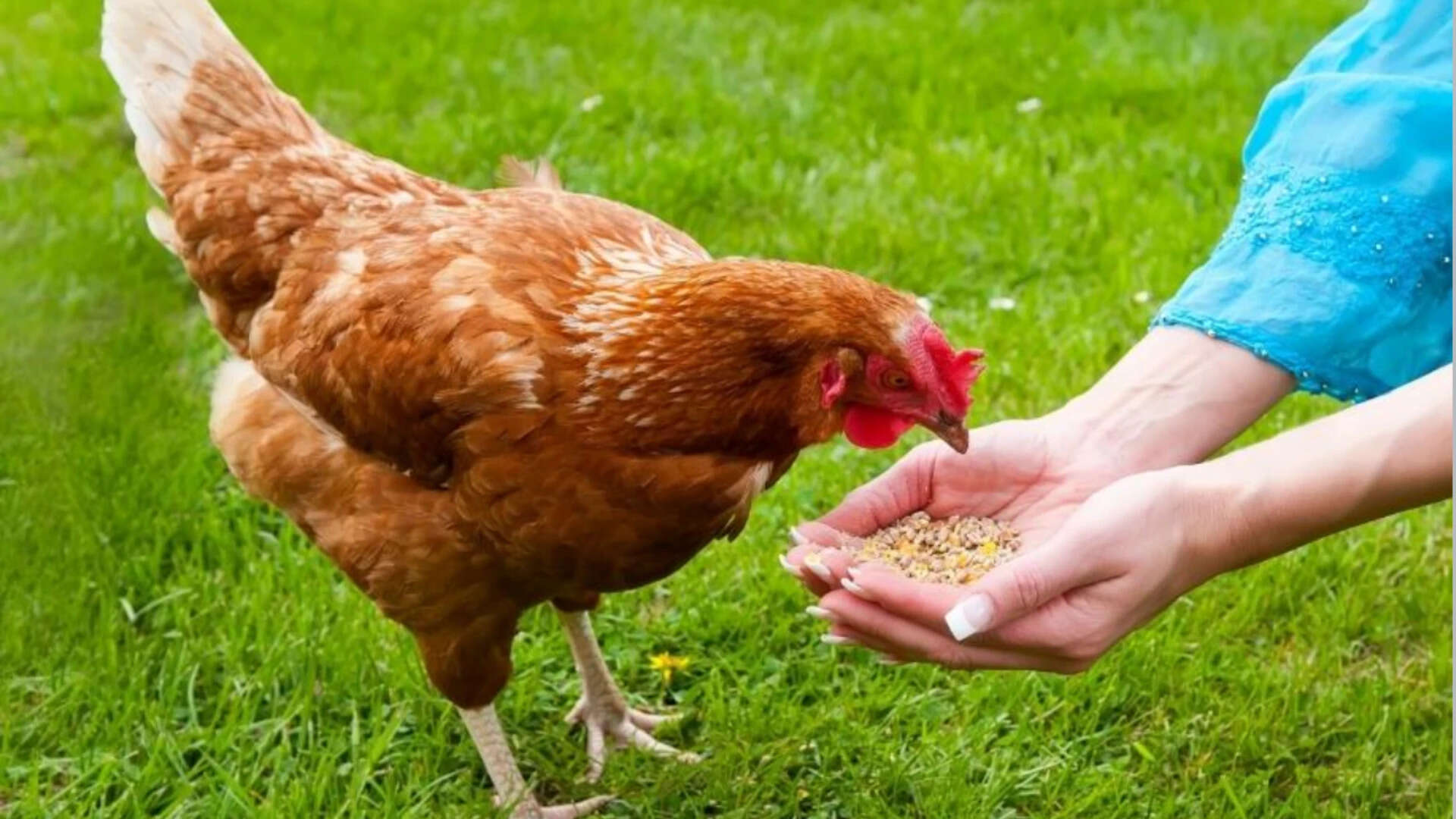
Stop pretending every single one of your successes came from hard work and relentless strategy. It didn't. Sometimes you just stumbled into a win because the universe handed you a break. The Swedes have a perfect phrase for this exact phenomenon, and it's been floating around northern Europe for centuries: Även en blind höna kan finna ett korn.
Translated literally, it means "Even a blind hen finds a grain sometimes." It's a brutal, funny, and deeply grounding reality check. We live in a culture obsessed with optimization, flawless execution, and personal branding where every accidental win gets repackaged as a masterclass in strategy. This old farming metaphor cuts right through that nonsense. It reminds us that blind luck, random coincidence, and sheer numbers game persistence will occasionally make an absolute amateur look like a genius.
What the Blind Hen Actually Teaches Us About Success
When you look at the phrase även en blind höna kan finna ett korn, it carries a dual meaning. Understanding the context depends entirely on who's speaking and how sarcastic they're feeling at that exact moment.
The first angle is pure encouragement. If you've been struggling with a new skill, failing repeatedly, or just feeling completely out of your depth, the proverb acts as a comforting nod. It says that if you keep scratching at the ground long enough, sheer probability dictates you'll eventually hit a massive win. You don't have to be perfect. You just have to stay in the game.
The second angle is a sharp reality check directed at arrogance. When someone who usually lacks competence suddenly achieves a massive victory and starts acting like they've cracked the code to life, the community drops this phrase to humble them. It points out that a single victory isn't proof of mastery. It's just proof that luck strikes randomly.
Historians track this phrase across multiple European languages. The Germans say Auch ein blindes Huhn findet mal ein Korn. The Danes, Poles, and Hungarians use almost identical phrasing. It emerged from traditional agrarian societies where chickens were a constant fixture of daily life. Everyone understood the image of a bird pecking aimlessly in the dirt. It didn't take high intellect for that bird to eventually bump its beak into a piece of scattered barley.
The American Squirrel vs the Swedish Hen
If you grew up in North America, you've probably heard a slightly different version of this idiom: "Even a blind squirrel finds a nut once in a while."
While the sentiment is basically identical, the shift in animal changes the vibe. A squirrel feels a bit more active, frantic, and wild. A hen, on the other hand, is a slow, methodical ground-pecker. The Swedish imagery emphasizes the routine, mindless nature of the search. The hen isn't executing a high-stakes tactical mission; it's just doing what a hen does until luck intervenes.
This distinction matters because it shifts how we look at probability. The blind hen doesn't succeed by being smart. It succeeds because it doesn't stop pecking.
The Danger of Confusing Luck with Skill
The biggest mistake people make when they find their metaphorical grain of corn is rewriting history. Psychologists call this self-serving bias. When we win, we credit our incredible intellect, flawless work ethic, and superior genes. When we lose, we blame bad luck, external factors, or the referee.
Let's look at real-world scenarios where the blind hen rule plays out constantly:
- The Stock Market Day Trader: A retail investor buys a random meme stock because they liked the logo. The stock surges 400% in forty-eight hours. The investor immediately writes a ten-part thread on social media explaining their complex financial philosophy, completely ignoring the fact that they just got incredibly lucky.
- The Viral Creator: A teenager posts a blurry, low-effort video of their cat falling off a couch. It hits ten million views overnight. They instantly try to sell a course on "Cracking the Algorithm," failing to realize they were just a blind chicken pecking at a massive digital farmyard.
- The Corporate Hire: An incompetent executive happens to be managing a department during an unprecedented economic boom. Profits soar. The executive takes credit for the growth, gets a massive bonus, and leaves for a higher role right before the market normalizes and the department crashes.
If you don't realize you're a blind hen when you win, you set yourself up for absolute disaster on your next attempt. You'll bet more money, take bigger risks, and assume you have a magic touch. Then reality hits.
How to Weaponize the Blind Hen Principle
You don't need to sit around waiting for luck to hit you. You can actually use the math behind this proverb to your advantage. If success for an untrained or impaired individual is a numbers game, then your job is to maximize your volume of attempts.
Increase Your Surface Area for Luck
The only way a blind hen finds food is by continuing to peck. If it sits still out of fear or embarrassment, it starves. In modern terms, increasing your luck surface area means putting out more work, meeting more people, and applying for things even when you feel unqualified.
Never Confuse a Single Win for a System
If you find a grain, celebrate it, but don't assume you now possess X-ray vision. Take a hard, objective look at why you won. Was it because your strategy was bulletproof, or did you just happen to be in the right place at the right time? Build systems based on repeatable metrics, not one-off anomalies.
Stay Humble When You're Winning
When things are going incredibly well, remember the Swedish proverb. It keeps you from becoming insufferable to the people around you. Acknowledging that luck played a massive role in your success makes you a better leader, a better teammate, and a much more grounded human being.
Stop waiting for perfect clarity before you make your next move. Accept that you're going to feel blind a lot of the time. Just keep your head down, keep moving, and start scratching the dirt. Probability is on your side if you refuse to stop trying.