The ink on a counterfeit check does not smell like desperation. It smells like fresh solvent, cheap toner, and the metallic tang of an office printer working overtime in the small hours of the morning.
Most people picture financial crime as a hooded figure sitting in a dark room, typing lines of neon-green code while a progress bar ticks toward a million dollars. The reality is much louder, much shinier, and infinitely more human. It sounds like heavy bass drifting out of the rolled-down windows of a custom Charger idling in a strip mall parking lot in the Valley. It looks like a pristine pair of white sneakers stepping out onto the hot asphalt, walking straight through the sliding glass doors of a neighborhood bank with an easy, practiced grin.
We live in an era that treats ambition like a moral virtue, regardless of the vector. If you hustle hard enough, the culture tells you, the rules bend.
An LA rapper learned that lesson in reverse.
When federal investigators finally closed their ledgers on an eight-million-dollar check-cashing scheme, the headlines reduced it to numbers and aliases. Eight million. Check-cashing. Conspiracy. Wire fraud. Standard vocabulary for the financial crimes division. But numbers do not capture the weight of a paper trail that spans years, crossing the invisible fault lines between the glittering hills of Los Angeles and the fluorescent-lit back offices of corporate fraud departments.
Consider what actually happens in a check-cashing scheme of this magnitude. It is not a smash-and-grab. It is a slow, methodical symphony.
First, you need identity ghosts. Real names belonging to real people whose credit profiles have been neglected, bought, or stolen. Then comes the machinery. High-grade scanners, specialty paper ordered online, routing numbers meticulously copied from commercial accounts that haven't noticed a discrepancy yet. And finally, you need the human element. You need runners. People with clean enough records and charismatic enough smiles to walk up to a teller, slide a piece of bleached cotton-linen paper across the counter, and walk out fifteen minutes later with an envelope stuffed with cash that does not belong to them.
It looks effortless from the outside. That is the point.
The artist at the center of this web understood branding. In the modern music industry, your image is your currency. Flashy videos, rented supercars, diamond-encrusted pendants catching the stage lights—these are not just lifestyle choices; they are marketing expenses. They signal proximity to wealth. They make people believe you are already successful, which makes banks less likely to question the provenance of your deposits.
Except the ledger always balances out in the end.
I remember sitting in a federal courtroom years ago, watching a different kind of white-collar defendant realize that the judge did not care about their mixtape, their followers, or the neighborhood they dragged themselves out of. The air in those rooms is always aggressively air-conditioned, smelling faintly of floor wax and old paper. The defendants always look smaller without their entourages. The clothes hang a little looser. The illusion of invincibility evaporates the moment the bailiff reads the docket.
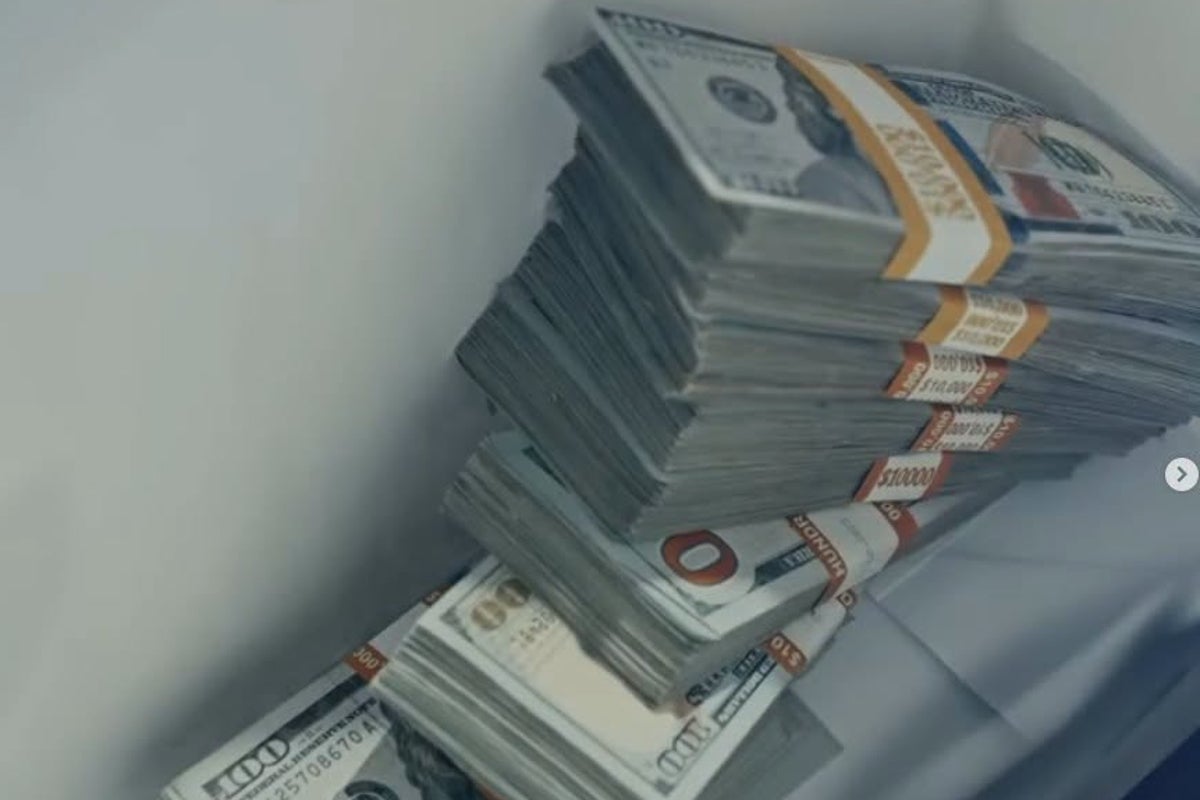
Eight million dollars is an astronomical sum. Spread across multiple accounts, shell companies, and luxury purchases, it evaporates quickly. It turns into designer clothes that lose their value the second they leave the boutique. It turns into leases on vehicles that get repossessed by men in windbreakers three days after the indictment drops.
The federal indictment unspooled a narrative of forged endorsements, fictitious corporate entities, and stolen Economic Injury Disaster Loan funds—money originally meant to keep struggling neighborhood businesses afloat during a global crisis. That is where the story shifts from a flashy cinematic caper to something genuinely tragic. The money wasn't just abstract digits on a screen belonging to a faceless multinational bank. It was tied to a system already buckling under the weight of genuine need.
When you drain a relief fund with a forged signature, you are not outsmarting the system. You are stealing the safety net from someone who has no backup plan.
The rhythm of crime and punishment is predictable. There is the flash, the plateau, the sudden knock on the door at 6:00 AM, and the long, quiet descent into pre-trial detention. The social media accounts don't go dark immediately; automated scheduling tools keep posting promotional flyers for shows that will never happen, pictures of a lifestyle that was already repossessed.
The internet keeps scrolling. A new rapper drops a track. A new scandal replaces the old one on the timeline.
Back in the Valley, the sun beats down on the same strip mall parking lots. The tellers behind the bulletproof glass still look up every time the sliding doors open, scanning the faces for hesitation, for too much nervousness, for the subtle tells of a story that is about to end badly.
The printer stops running. The ink dries. And the paper finally tells the truth.