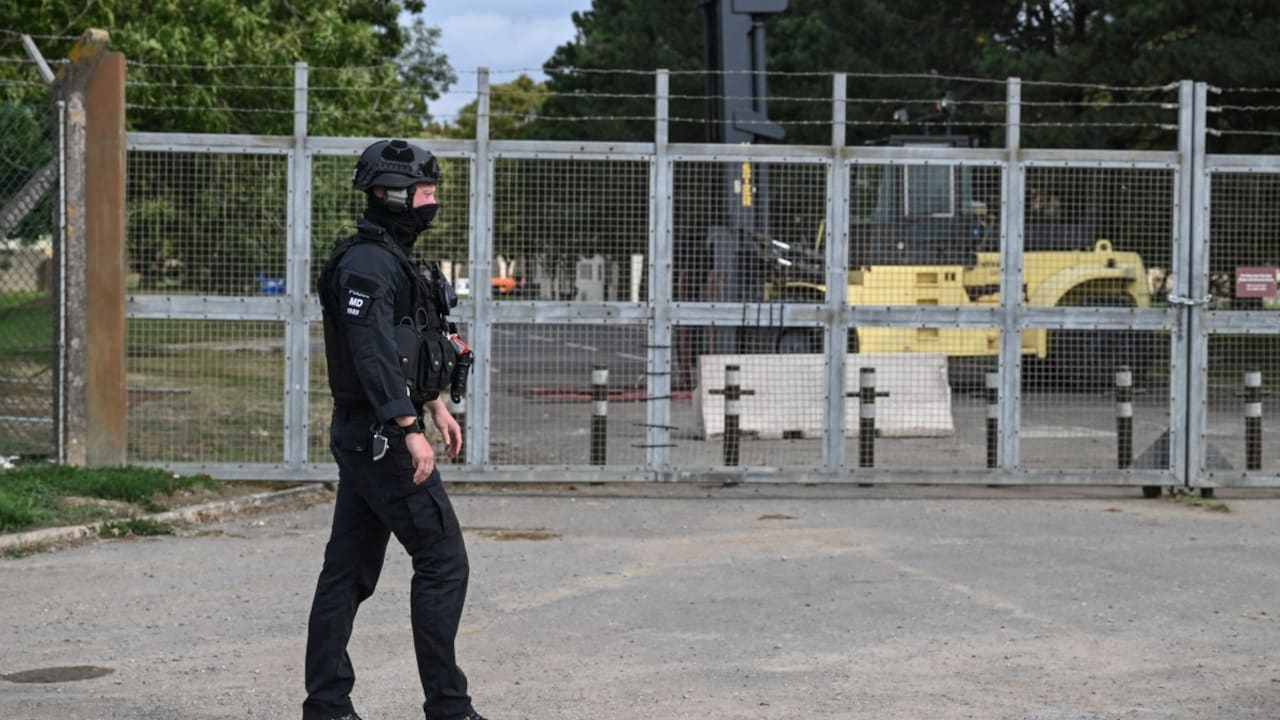
High-profile criminal incidents involving foreign nationals in metropolitan centers serve as stress tests for municipal security apparatuses. When an international visitor encounters severe victimization, the resulting crisis exposes the underlying operational capacity, forensic readiness, and bureaucratic agility of local institutions. The reported case of an Azerbaijani citizen targeted in Lahore highlights a friction point between international safety expectations and domestic law enforcement realities. Deconstructing this event requires shifting away from sensationalized reporting and examining the structural breakdowns that permit such vulnerabilities to manifest and compound during the post-incident response phase.
The Anatomy of Municipal Vulnerability
Urban security architecture relies on a continuous feedback loop between surveillance, deterrence, and rapid intervention. In developing metropolitan hubs, rapid population growth frequently outpaces infrastructural oversight. This creates distinct zones of high risk, particularly for transient populations unfamiliar with local spatial dynamics. You might also find this connected article insightful: Panda Diplomacy Returns to Atlanta As Ping Ping and Fu Shuang Touch Down.
Foreign nationals operating outside established expatriate communities or corporate security networks face elevated exposure. Three primary vectors define this vulnerability:
- Spatial disorientation regarding high-risk urban sub-sectors after operational hours.
- Heavy reliance on informal or unverified peer networks and short-term accommodation arrangements.
- Absence of immediate institutional touchpoints for emergency consular or legal intervention.
When these vectors intersect with opportunistic criminal elements, the probability of severe victimization spikes. Traditional policing models often fail to account for the specific risk profiles of independent foreign travelers, treating them as interchangeable with domestic residents rather than high-value targets requiring specialized protective frameworks. As discussed in recent reports by The New York Times, the effects are significant.
The Forensic and Investigatory Bottleneck
The immediate aftermath of a violent crime dictates the probability of successful prosecution. In many jurisdictions across South Asia, forensic readiness remains constrained by resource allocation, archaic evidence-preservation protocols, and administrative friction.
The investigation of offenses involving intoxicants and sexual violence demands absolute precision in time-sensitive procedures:
- Immediate toxicological screening to isolate chemical agents before metabolic clearance.
- Secure chain-of-custody protocols for biological and digital evidence.
- Rapid isolation of primary and secondary crime scenes to prevent contamination.
When these technical steps are delayed or executed inconsistently, the evidentiary foundation degrades. In cross-border cases, this degradation carries severe diplomatic and legal consequences. Defense attorneys exploit procedural lapses, transforming technical incompetence into reasonable doubt in judicial proceedings. The gap between reporting an offense and securing actionable forensic data represents the single greatest point of failure in modern municipal justice systems.
Jurisdictional Friction and Consular Latency
Cross-border crimes activate a complex multi-agency response involving local police, federal investigative bodies, healthcare institutions, and foreign diplomatic missions. Each entity operates under distinct legislative mandates, operational tempos, and communication protocols.
This multi-agency matrix frequently generates severe communication latency. When a foreign national is incapacitated or traumatized, the burden of advocacy shifts entirely to consular representatives who may be hours away and constrained by bureaucratic clearance requirements.
| Institutional Actor | Primary Mandate | Operational Friction Point |
|---|---|---|
| Municipal Police | Initial response and evidence collection | Jurisdictional overlap and resource scarcity |
| Healthcare Providers | Medical stabilization and forensic sampling | Standardized evidence preservation gaps |
| Diplomatic Missions | Citizen advocacy and legal monitoring | Information silos and clearance delays |
| Judicial Magistrates | Warrant issuance and remand hearings | Docket backlogs and translation bottlenecks |
The friction between these actors creates a vacuum where victim advocacy is sidelined by procedural gatekeeping. Streamlining this response requires pre-established standard operating procedures that bypass routine bureaucratic hierarchies during critical windows.
Economic and Reputational Externalities
Criminal acts against international visitors generate immediate shockwaves across the tourism, hospitality, and foreign direct investment sectors. Nations seeking to position themselves as emerging destinations for commerce and leisure find their national brand equity tied directly to the safety metrics of their primary urban centers.
When state actors respond to high-profile crimes with defensive public relations strategies rather than transparent structural reforms, the systemic risk compounds. Investors and international organizations assess country risk through the lens of institutional responsiveness. If the judicial and police apparatus appears opaque, slow, or defensive, external entities interpret this as a systemic risk factor for all operations within that jurisdiction.
Institutional Overhaul and Risk Mitigation
Addressing the root causes of these vulnerabilities requires abandoning reactive crisis management in favor of proactive institutional engineering. Jurisdictions experiencing rapid internationalization must implement structural upgrades across three distinct pillars:
- Specialized Foreign Tourist Protection Units equipped with multilingual personnel and direct liaison channels to relevant embassies.
- Mandatory regulatory compliance and digital tracking for all short-term rental properties, hospitality venues, and private transport networks.
- Standardized, auditable forensic protocols for sexual assault and targeted drug-facilitated crimes, ensuring compliance with international evidentiary standards.
Without these foundational changes, cities will continue to experience catastrophic failures in visitor safety, followed by predictable cycles of public outrage, institutional denial, and eventual stagnation. Sustainable security requires continuous measurement of response times, rigorous auditing of investigative files, and absolute transparency in holding perpetrators and negligent institutions accountable.