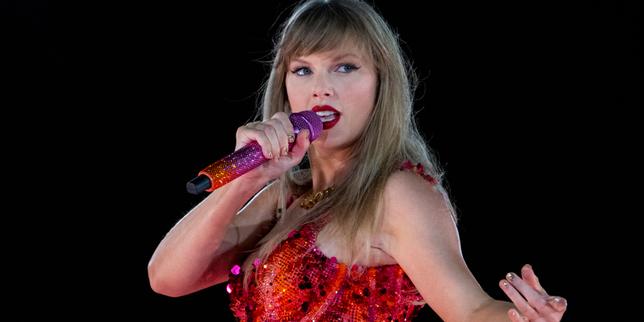
Taylor Swift doesn't just dominate the charts. She's now trying to own the very air vibrating in her throat. Recent filings suggest the pop titan is moving to trademark her voice, a bold legal play aimed directly at the rise of generative AI. You've probably heard the "AI covers" on TikTok where a synthesized Swift sings a heavy metal track or a competitor's song. It’s fun for five seconds. For Swift, it's a massive threat to her brand, her intellectual property, and her future earnings.
She isn't just protecting a song. She’s protecting her identity. For an alternative perspective, check out: this related article.
The legal battle for vocal identity
Trademarking a voice isn't common. Traditionally, you trademark a logo, a brand name, or a catchy slogan. But the digital world changed the rules. If anyone can prompt a computer to generate a new "Taylor Swift" song that sounds indistinguishable from the real thing, what happens to the value of her actual recordings?
Swift's legal team is basically trying to build a digital fortress. They’re looking at "right of publicity" laws, but those vary wildly from state to state. By securing a federal trademark, she gains a much bigger stick to swing at tech companies and creators who use her likeness without permission. It’s about control. She already re-recorded her albums to own her masters. Now, she wants to own the frequency of her vocal cords. Related insight on this matter has been provided by Entertainment Weekly.
It makes sense when you look at the numbers. Deepfake audio is becoming scarily accurate. In 2023, an AI-generated song featuring "Drake" and "The Weeknd" went viral before being pulled down. Swift saw that and likely realized she’s the next target. If you can’t tell the difference between the human and the machine, the human loses their leverage in the market.
Why this isn't just about Taylor
If Swift succeeds, she sets a precedent that every artist will follow. We’re talking about a fundamental shift in how we define "property." Imagine a world where a voice is a legally protected asset just like a patent for a new engine.
- Small artists get crushed. While Taylor has the millions needed to fight these legal battles, independent musicians don't. They’ll watch their voices get scraped into training sets while they struggle to pay rent.
- The tech industry panics. Companies like OpenAI or Meta rely on massive amounts of data. If every voice requires a license, the "move fast and break things" era of AI hits a brick wall.
- The definition of "art" blurs. If a fan creates a song using an AI Swift voice as a tribute, is that a trademark violation or free speech?
The music industry has always been slow to react to tech. Think back to Napster. The labels fought file-sharing and lost for a decade before streaming saved them. This time, Taylor isn't waiting for the labels. She’s taking the lead herself. Honestly, it’s a smart move. She knows the law is often three steps behind the code.
The problem with trademarking a sound
There's a reason we don't see "Voice Trademarks" everywhere. Voices change. They age. They get raspy when the singer has a cold. How do you define the specific "Taylor Swift sound" in a way that a judge can uphold?
Legal experts often point to the Midler v. Ford Motor Co. case from the 80s. Bette Midler sued because Ford used a "sound-alike" singer in a commercial after Midler refused to do it. She won. The court ruled that when a voice is distinctive and widely known, it’s part of a person's identity. Swift is taking that logic and trying to turn it into a formal, registered trademark.
It’s a gamble. If the USPTO (United States Patent and Trademark Office) says no, it might embolden AI developers. They’ll see it as a green light to keep scraping. If she wins, she’s the gatekeeper of her own sonic DNA.
How AI is actually being used right now
Don't think this is all theoretical. AI is already being used to "de-age" singers or finish unfinished tracks. Look at what happened with the "new" Beatles song, Now and Then. They used AI to clean up John Lennon's voice from an old cassette. That’s the "good" use of the tech—it gives us something we couldn't have otherwise.
But the "bad" use is everywhere. Scammers use AI voice clones to trick people into sending money. Fans use it to make "parody" content that isn't always kind. Swift’s move is a preemptive strike against the inevitable wave of deepfake albums that could flood Spotify tomorrow.
You're going to see more of this. It isn't just singers. Voice actors are already losing jobs to AI narrators. Your favorite GPS voice or the person reading you an audiobook might not exist in five years. They’re all watching Taylor Swift right now to see if she can provide a blueprint for survival.
Protecting your own digital footprint
You don't have to be a billionaire pop star to care about this. Your voice is out there too. Every video you post on social media is a data point for an AI. While you probably won't trademark your voice, you should be aware of the "No AI Fraud Act" and similar legislation moving through Congress.
These laws aim to create a federal right to your likeness and voice. It would make it illegal to create a digital replica of anyone without their consent. Swift’s trademark filing is the private sector version of this fight. She’s using the tools of capitalism to protect her humanity.
What happens if the machines win
If we can't protect our voices, the music industry becomes a race to the bottom. Why pay a singer for a session when you can generate a perfect take for pennies? Why wait for an artist to write an album when an AI can churn out ten "Swift-style" records in an afternoon?
The soul of music is at stake. We value Taylor Swift because of her story, her struggle, and her specific human perspective. An AI can mimic the sound, but it can't mimic the lived experience. By seeking this trademark, she’s reminding the world that there is a person behind the sound.
The next few months will be telling. Watch the filings. If the trademark is granted, expect every major celebrity to file their own within weeks. The era of the "unprotected voice" is ending.
If you're an artist or creator, start looking into how your own work is being used. Check the terms of service on the platforms you use. Many of them have sneaked in clauses that allow them to use your content to train their models. Opt out where you can. Use tools like Glaze or Nightshade to protect your visual art, and keep a close eye on the "right of publicity" laws in your area. The legal landscape is shifting fast, and staying informed is the only way to avoid being left behind. Taylor is fighting for herself, but the fallout will affect everyone with a microphone and a dream.